pattern

Cambridge IELTS 18 - Academic - Test 1 - Lettura - Passaggio 2 (1)

Impara il vocabolario dalla prima parte del Cambridge IELTS 18 Academic, Test 1 Reading Passage 2, con parole ed espressioni utili dal testo.

Revisione

Flashcard

forme

Ortografia

Quiz
Inizia a imparare
Cambridge IELTS 18 - Academic
practice
practice
[sostantivo]

the act of applying or implementing an idea, theory, or plan into real-world actions or activities

pratica
pratica

Ex: His practice of the new exercise routine helped him achieve better fitness results. 
Chiudi
Accedi
abundant
abundant
[aggettivo]

existing or available in large quantities

abbondante, copioso

abbondante, copioso

Ex: The garden was filled with abundant flowers of every color. 

Il giardino era pieno di fiori abbondanti di ogni colore.

Chiudi
Accedi
traditional
traditional
[aggettivo]

belonging to or following the methods or thoughts that are old as opposed to new or different ones

tradizionale

tradizionale

Ex: The company’s traditional dress code requires formal attire, while other workplaces are adopting casual policies. 

Il codice di abbigliamento tradizionale dell'azienda richiede un abbigliamento formale, mentre altri luoghi di lavoro stanno adottando politiche casual.

Chiudi
Accedi
to compete
to compete
[Verbo]

to try to achieve a better result compared to that of other people or things

competere

competere

Ex: Many companies are competing for market dominance with innovative products. 
Chiudi
Accedi
desirable
desirable
[aggettivo]

worth doing or having

desiderabile

desiderabile

Ex: The new smartphone boasted many desirable features, including a high-resolution camera and long battery life. 

Il nuovo smartphone vantava molte caratteristiche desiderabili, tra cui una fotocamera ad alta risoluzione e una lunga durata della batteria.

Chiudi
Accedi
regeneration
regeneration
[sostantivo]

the formation or restoration of something in an improved condition

rigenerazione, rinascita

rigenerazione, rinascita

Ex: The policy aims to encourage the regeneration of declining communities. 
Chiudi
Accedi
vulnerable
vulnerable
[aggettivo]

able to be physically harmed or wounded

vulnerabile

vulnerabile

Ex: The stray dog, injured and alone, appeared vulnerable on the streets. 

Il cane randagio, ferito e solo, appariva vulnerabile per le strade.
Chiudi
Accedi
specifically
specifically
[avverbio]

only for one certain type of person or thing

specificatamente

specificatamente

Ex: The chef specifically crafted a menu for guests with dietary restrictions. 

Lo chef ha specificamente creato un menu per gli ospiti con restrizioni dietetiche.

Chiudi
Accedi
to target
to target
[Verbo]

to aim or direct something, such as an action or effort, towards a specific goal or objective

mirare, indirizzare

mirare, indirizzare

Ex: The company is targeting a new market with their latest product. 
Chiudi
Accedi
suitable
suitable
[aggettivo]

appropriate for a certain situation or purpose

proprio

proprio

Ex: The book contains content that is suitable for young readers. 

Il libro contiene contenuti che sono adatti ai giovani lettori.

Chiudi
Accedi
combustion
combustion
[sostantivo]

the process of burning, characterized by the chemical reaction between a fuel and oxygen that produces heat and light

combustione, la combustione

combustione, la combustione

Ex: Understanding combustion is essential in designing efficient energy systems. 

Comprendere la combustione è essenziale nella progettazione di sistemi energetici efficienti.

Chiudi
Accedi
boiler
boiler
[sostantivo]

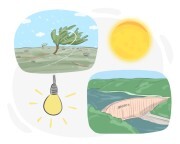
a closed vessel in which water is heated to create steam or hot water, used for heating buildings, producing electricity, or powering machines

caldaia, generatore di vapore

caldaia, generatore di vapore

Ex: Boilers in power plants convert water into steam to drive turbines. 

Le caldaie nelle centrali elettriche convertono l'acqua in vapore per azionare le turbine.
Chiudi
Accedi
power
power
[sostantivo]

the energy that is obtained through different means, such as electrical or solar, to operate different equipment or machines

energia

energia

Ex: The computer shut down suddenly due to a power surge. 
Chiudi
Accedi
facility
facility
[sostantivo]

a place or a building that is designed and equipped for a specific function, such as healthcare, education, etc.

attrezzature

attrezzature

Ex: The school district built a new educational facility to accommodate growing enrollment. 
Chiudi
Accedi
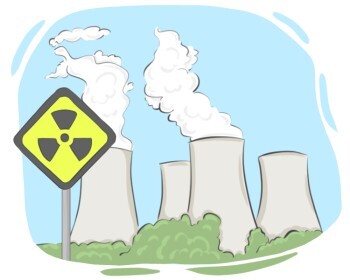
coal
coal
[sostantivo]

a type of fossil fuel, which is black and found in the ground, typically used as a source of energy

carbone
carbone

Ex: The power station burns coal to generate electricity. 
Chiudi
Accedi
plant
plant
[sostantivo]

a place, such as a factory, in which an industrial process happens or where power is produced

pianta

pianta

Ex: We could see the smoke rising from the industrial plant on the outskirts of town. 
Chiudi
Accedi
to incorporate

to include something as part of a larger whole or system

incorporare, integrare

incorporare, integrare

Ex: The presentation incorporated multimedia elements to make it more engaging. 
Chiudi
Accedi
stream
stream
[sostantivo]

a steady, ongoing flow of something, like information, data, or objects

flusso, corrente

flusso, corrente

Ex: The social media platform experienced a stream of new users. 
Chiudi
Accedi
to gasify
to gasify
[Verbo]

turn into gas

gassificare, trasformare in gas

gassificare, trasformare in gas

Chiudi
Accedi
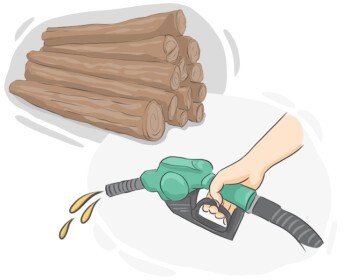
generation
generation
[sostantivo]

the creation of heat, electricity, or other forms of energy

generazione, produzione
generazione, produzione

Ex: Generation of power from wind is increasing worldwide. 
Chiudi
Accedi
fuel
fuel
[sostantivo]

any substance that can produce energy or heat when burned

combustibile

combustibile

Ex: The fireplace was stocked with plenty of fuel to keep us warm. 
Chiudi
Accedi
ethanol
ethanol
[sostantivo]

a type of alcohol fuel produced from renewable sources such as corn or sugarcane

etanolo, alcol etilico

etanolo, alcol etilico

Ex: She supported ethanol production for its environmental benefits. 

Ha sostenuto la produzione di etanolo per i suoi benefici ambientali.

Chiudi
Accedi
gasoline
gasoline
[sostantivo]

a liquid used by cars, trucks, etc. as a fuel

benzina

benzina

Ex: I need to stop at the gas station to fill up my car with gasoline. 

Devo fermarmi alla stazione di servizio per fare il pieno di benzina.

Chiudi
Accedi
lorry
lorry
[sostantivo]

a large, heavy motor vehicle designed for transporting goods or materials over long distances

camion

camion

Ex: He drove the lorry carefully, ensuring that the heavy cargo was secure for the journey. 

Guidò il camion con attenzione, assicurandosi che il carico pesante fosse sicuro per il viaggio.

Chiudi
Accedi
approach
approach
[sostantivo]

a way of doing something or dealing with a problem

approccio

approccio

Ex: The team discussed different approaches to marketing the product. 
Chiudi
Accedi
strongly
strongly
[avverbio]

to a large or significant degree

fortemente

fortemente

Ex: I feel strongly that we should reconsider our decision. 

Sento fortemente che dovremmo riconsiderare la nostra decisione.
Chiudi
Accedi
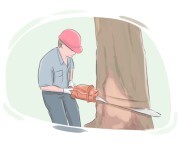
to cut down

to cut through something at its base in order to make it fall

tagliare qualcosa alla base per farlo cadere, abbattere un albero o struttura tagliandone la parte inferiore

tagliare qualcosa alla base per farlo cadere, abbattere un albero o struttura tagliandone la parte inferiore

Ex: The lumberjack skillfully cut down trees with powerful swings of his ax. 

Il boscaiolo ha abilmente abbattuto alberi con potenti colpi della sua ascia.

Chiudi
Accedi
to allow
to allow
[Verbo]

to make sure one has a sufficient amount of something such as time, food, money, etc. available for a specific purpose

prevedere, allocare

prevedere, allocare

Ex: We need to allow a budget of $1,000 for repairs. 
Chiudi
Accedi
to remain
to remain
[Verbo]

to stay in existence after other parts or elements have disappeared or been used up

rimanere, sussistere

rimanere, sussistere

Ex: After the fire, only the foundation of the building remained. 
Chiudi
Accedi
invasive
invasive
[aggettivo]

aggressively intruding or spreading into a space or situation where something is unwelcome or harmful

invasivo, invadente

invasivo, invadente

Ex: The invasive procedures used by the company to collect data raised privacy concerns among users. 

Le procedure invasive utilizzate dall'azienda per raccogliere dati hanno sollevato preoccupazioni sulla privacy tra gli utenti.

Chiudi
Accedi
bioenergy
bioenergy
[sostantivo]

a form of energy that is produced from organic or biological sources, which can be naturally replaced

bioenergia

bioenergia

Chiudi
Accedi
sustainable
sustainable
[aggettivo]

using natural resources in a way that causes no harm to the environment

sostenibile

sostenibile

Ex: Communities adopt sustainable water management to preserve resources. 

Le comunità adottano una gestione sostenibile dell'acqua per preservare le risorse.

Chiudi
Accedi
factor
factor
[sostantivo]

one of the things that affects something or contributes to it

fattore
fattore

Ex: The proximity to good schools was a deciding factor in choosing their new home. 
Chiudi
Accedi
species
species
[sostantivo]

a group that animals, plants, etc. of the same type which are capable of producing healthy offspring with each other are divided into

specie

specie

Ex: The monarch butterfly is a species of butterfly that migrates thousands of miles each year. 

La farfalla monarca è una specie di farfalla che migra per migliaia di miglia ogni anno.

Chiudi
Accedi
function
function
[sostantivo]

the purpose or intended use of something

funzione

funzione

Ex: He explained the function of the machine to the class. 
Chiudi
Accedi
accessibility
accessibility
[sostantivo]

the quality or state of being easily reached, entered, used, or understood by everyone, regardless of any physical or mental limitations

raggiungibilità

raggiungibilità

Ex: Accessibility to healthcare is a fundamental human right. 

L'accessibilità alle cure sanitarie è un diritto umano fondamentale.

Chiudi
Accedi
given
given
[aggettivo]

stated or specified; acknowledged or supposed

dato

dato

Ex: They adapted quickly to the given constraints of the project. 
Chiudi
Accedi
timber
timber
[sostantivo]

trees grown or considered as a source of wood for building or other uses

legname

legname

Ex: Only mature timber is selected for harvesting. 
Chiudi
Accedi
log
log
[sostantivo]

a section of the trunk or a large branch of a tree that has been cut or has fallen

tronco,  ceppo

tronco, ceppo

Ex: The cabin was built from thick wooden logs. 
Chiudi
Accedi
landowner
landowner
[sostantivo]

a person who owns land

proprietario terriero, possidente
proprietario terriero, possidente

Ex: The landowner hired workers to maintain the farmland. 
Chiudi
Accedi
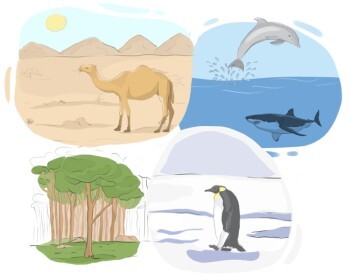
habitat
habitat
[sostantivo]

the natural environment in which a particular animal, plant, or other organism normally lives or grows

habitat
habitat

Ex: These plants thrive in a dry, rocky habitat. 
Chiudi
Accedi
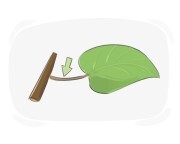
stem
stem
[sostantivo]

the main supporting part of a plant from which leaves, flowers, or branches grow

stelo

stelo

Ex: Daniel tied the weak stem to a small wooden support. 
Chiudi
Accedi
trunk
trunk
[sostantivo]

the main wooden body of a tree

tronco

tronco

Ex: The trunk of the tree showed signs of damage from a recent storm, with several large cracks. 
Chiudi
Accedi
likewise
likewise
[avverbio]

used when introducing additional information to a statement that has just been made

lo stesso

lo stesso

Ex: He was concerned about the budget, and the investors likewise had financial worries. 

Era preoccupato per il budget, e gli investitori allo stesso modo avevano preoccupazioni finanziarie.

Chiudi
Accedi
to suffer
to suffer
[Verbo]

to have an illness or disease

soffrire

soffrire

Ex: The child suffered from a high fever and cough. 
Chiudi
Accedi
woodworker
woodworker
[sostantivo]

makes things out of wood

falegname, ebanista

falegname, ebanista

Chiudi
Accedi
solely
solely
[avverbio]

with no one or nothing else involved

unicamente

unicamente

Ex: The rule exists solely to prevent misuse of funds. 

La regola esiste solo per prevenire l'uso improprio dei fondi.

Chiudi
Accedi
norm
norm
[sostantivo]

a standard or accepted pattern of behavior within a particular group or society

norma,  norma sociale

norma, norma sociale

Ex: Working from home has become the norm in some industries. 
Chiudi
Accedi
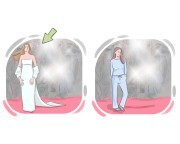
to leave behind

to discard or abandon someone or something as no longer relevant or important to one's present or future

lasciare indietro, abbandonare

lasciare indietro, abbandonare

Ex: The former athlete left behind the glory days of his competitive career, embracing a quieter life as a coach. 

L'ex atleta ha lasciato alle spalle i giorni di gloria della sua carriera agonistica, abbracciando una vita più tranquilla come allenatore.
Chiudi
Accedi
formed
formed
[aggettivo]

having or given a form or shape

formato, modellato

formato, modellato

Chiudi
Accedi
suited
suited
[aggettivo]

fitting for a specific purpose, situation, or person

adatto, idoneo

adatto, idoneo

Ex: His problem-solving skills are suited for complex projects. 

Le sue capacità di problem solving sono adatte per progetti complessi.

Chiudi
Accedi
site
site
[sostantivo]

an area of land on which something is, was, or will be constructed

luogo

luogo

Ex: We visited the historical site where the decisive battle took place. 
Chiudi
Accedi
high-grading
high-grading
[sostantivo]

the practice of selecting and keeping only the best or most valuable parts of something and leaving the rest behind, often used in mining, fishing, or logging

selezione del meglio, scelta selettiva

selezione del meglio, scelta selettiva

Ex: High-grading has become a serious problem in the fishing industry. 

Il high-grading è diventato un serio problema nell'industria della pesca.

Chiudi
Accedi
legacy
legacy
[sostantivo]

a lasting effect, influence, or result left by a person, event, or period

Ex: Pollution from the old factory remains a troubling legacy of the industrial era. 
Chiudi
Accedi
stand
stand
[sostantivo]

a group of plants, especially trees, of the same species growing together in a particular area

popolamento, macchia

popolamento, macchia

Ex: The forest had a dense stand of pine trees. 
Chiudi
Accedi
low-use
low-use
[aggettivo]

not frequently or widely used, typically because of being lower in quality or less in demand

poco usato, a basso utilizzo

poco usato, a basso utilizzo

Ex: Researchers are studying how low-use wood can contribute to greener energy. 

I ricercatori stanno studiando come il legno a basso utilizzo possa contribuire a un'energia più verde.

Chiudi
Accedi
LanGeek
Scarica l'app LanGeek
