
pattern

SAT 語彙スキル 1 - レッスン46

復習

フラッシュカード

綴り

クイズ

学習を開始
SAT Word Skills 1
to repudiate
to repudiate
[動詞]

to dismiss or reject something as false

拒絶する,否定する

拒絶する,否定する

Ex: The company repudiated the claims that their products were unsafe, presenting evidence to the contrary. 

会社は自社製品が安全でないという主張を否定し、反対の証拠を提示した。

repugnant
repugnant
[形容詞]

extremely unpleasant and disgusting

嫌な,不快な

嫌な,不快な

Ex: The very thought of cruelty to animals is repugnant to me. 

動物への残酷さを考えるだけで、私は嫌悪感を覚えます。

to repulse
to repulse
[動詞]

to drive back or push away

撃退する,拒絶する

撃退する,拒絶する

Ex: His arrogant demeanor and insensitive comments repulsed most people he met. 

彼の傲慢な態度と無神経なコメントは、出会うほとんどの人々を遠ざけた。

fracas
fracas
[名詞]

a noisy fight or argument involving multiple people

乱闘,騒動

乱闘,騒動

Ex: A fracas broke out in the bar after someone spilled a drink. 

誰かが飲み物をこぼした後、バーで乱闘が発生した。

fractious
fractious
[形容詞]

unruly, defiant, or unwilling to submit to rules or leadership

反抗的な,手に負えない

反抗的な,手に負えない

Ex: The fractious rebels ignored the ceasefire agreement. 

手に負えない反乱軍は停戦合意を無視した。

to fracture
to fracture
[動詞]

to flagrantly misuse language or disregard its established rules and conventions
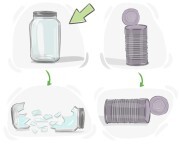
Ex: The poorly written translation fractured the English language. 
fragile
fragile
[形容詞]

easily damaged or broken

壊れやすい,脆弱な

壊れやすい,脆弱な

Ex: She wrapped the fragile ornaments in bubble wrap before placing them in the box. 

彼女は壊れやすい装飾品を箱に入れる前に壊れやすいバブルラップで包んだ。

podium
podium
[名詞]

a structure used in sports competitions consisting of three adjacent platforms of different levels, on which winners stand to receive their awards

表彰台,演壇

表彰台,演壇

Ex: After winning third place, he proudly stood on the lowest step of the podium to receive his medal. 

3位を獲得した後、彼は誇らしげに表彰台の最下段に立ってメダルを受け取りました。

poesy
poesy
[名詞]

another word for poetry or a poetic work

詩,詩的作品

詩,詩的作品

Ex: Elizabethan poesy is known for its intricate form and romantic themes 

エリザベス朝の詩は、その複雑な形式とロマンチックなテーマで知られています。

poetic
poetic
[形容詞]

relating to poetry as a form of expression or literature

詩的な,叙情的な

詩的な,叙情的な

Ex: His writing shows a deep understanding of poetic forms. 

彼の文章は、詩的な形式に対する深い理解を示している。

theism
theism
[名詞]

the belief in the existence of one or more gods or deities

有神論,一つまたは複数の神の存在を信じること

有神論,一つまたは複数の神の存在を信じること

Ex: His philosophy is rooted in theism, believing in a higher power. 

彼の哲学は有神論に根ざしており、より高い力を信じています。

theocracy
theocracy
[名詞]

a government where religious leaders are in charge and make the rules

神権政治,宗教的指導者による統治

神権政治,宗教的指導者による統治

Ex: In a theocracy, religious laws often become the foundation for the legal system. 

神政政治では、宗教法がしばしば法制度の基盤となります。

theologian
theologian
[名詞]

a person who studies or specializes in theology and religious beliefs

神学者,神学の専門家

神学者,神学の専門家

Ex: Some of the most influential religious texts were written by renowned theologians of their time. 

最も影響力のある宗教的なテキストのいくつかは、当時の著名な神学者によって書かれました。

theological
theological
[形容詞]

related to the study of religion and religious beliefs

神学的な

神学的な

Ex: She enrolled in a university to deepen her theological understanding. 

彼女は神学的な理解を深めるために大学に入学しました。

theology
theology
[名詞]

the study of religions and faiths

神学,宗教学

神学,宗教学

Ex: Her research in theology focuses on ancient religious texts. 

彼女の神学における研究は古代の宗教テキストに焦点を当てています。

compulsion
compulsion
[名詞]

a strong and irresistible urge to do something

強制,衝動

強制,衝動

Ex: Even though he knew it was a bad idea, he felt a compulsion to call his ex late at night. 

それは悪い考えだと知っていたにもかかわらず、彼は深夜に元カノに電話する衝動を感じた。

compulsory
compulsory
[形容詞]

forced to be done by law or authority

義務的な,強制的な

義務的な,強制的な

Ex: Attendance at the safety training session is compulsory for all employees. 

安全トレーニングセッションへの出席は、すべての従業員に義務付けられています。

LanGeek
LanGeekアプリをダウンロード