

pattern

SAT 語彙スキル 2 - レッスン 9

レビュー

フラッシュカード

綴り

クイズ

学習を開始
SAT Word Skills 2
thermal
thermal
[形容詞]

(physics) relating to or produced by heat

熱の

熱の

Ex: The thermal energy from the sun warms the surface of the earth. 
thermoelectric
thermoelectric
[形容詞]

referring to generation of electricity from temperature differences between materials

熱電の, 熱-電の

熱電の, 熱-電の

Ex: Scientists are researching new thermoelectric materials to improve the efficiency of energy conversion. 

科学者たちは、エネルギー変換の効率を向上させるために新しい熱電材料を研究しています。

thermoelectricity

the electricity produced through the direct conversion of heat energy, often using a thermocouple

熱電気, 熱電

熱電気, 熱電

Ex: Researchers are exploring advanced materials to enhance thermoelectricity generation, aiming for more efficient energy conversion from heat sources. 

研究者たちは、熱源からのより効率的なエネルギー変換を目指して、熱電発電を向上させるための先進材料を探求しています。

insurgence
insurgence
[名詞]

an armed or violent rebellion by a group seeking to challenge or overthrow a ruling government

反乱, 暴動

反乱, 暴動

Ex: In the face of social and economic inequality, marginalized groups often resort to insurgence as a means to demand change. 

社会的および経済的不平等に直面して、周縁化されたグループはしばしば変化を要求する手段として反乱に訴えます。

insurgent
insurgent
[形容詞]

referring to a person or group that actively opposes against established authority, usually involving a political or armed conflict

反乱の, 反抗的な

反乱の, 反抗的な

Ex: In the midst of political unrest, an insurgent movement emerged, organizing protests, strikes, and acts of civil disobedience to challenge the government's policies. 

政治的不安の最中に、政府の政策に挑戦するために抗議、ストライキ、市民的不服従の行為を組織する反乱運動が現れた。

insurgency
insurgency
[名詞]

a rebellion or armed uprising against established authority

反乱, 暴動

反乱, 暴動

Ex: The country has been grappling with an insurgency in its northern region for several years. 

その国は北部地域で数年間反乱と闘っています。

apartheid
apartheid
[名詞]

a system where people are treated differently or separated based on their race, ethnicity, or other characteristics

アパルトヘイト

アパルトヘイト

Ex: Activists fought tirelessly to end apartheid and achieve equality. 

活動家たちは、アパルトヘイトを終わらせ平等を達成するために疲れを知らずに戦った。

apathetic
apathetic
[形容詞]

displaying minimal emotional expression or engagement

無関心な, 冷淡な

無関心な, 冷淡な

Ex: Her apathetic response to the news of the company's layoffs surprised her colleagues. 

会社のレイオフのニュースに対する彼女の無関心な反応は同僚を驚かせた。

dissertation
dissertation
[名詞]

a long piece of academic writing on a particular subject, especially one submitted for an advanced university degree

学位論文,  博士論文

学位論文, 博士論文

Ex: Emma is writing a dissertation on climate policy. 
disservice
disservice
[名詞]

an action that ultimately leads to a negative outcome, often due to lack of knowledge, care, or understanding of the situation

不利益, 悪いサービス

不利益, 悪いサービス

Ex: Ignoring the concerns and feedback of customers can be a disservice to a business, leading to a decline in satisfaction and loyalty. 

顧客の懸念やフィードバックを無視することは、ビジネスにとって不利益となり、満足度と忠誠心の低下につながる可能性があります。
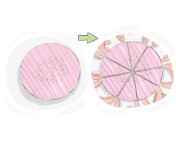
to dissever
to dissever
[動詞]

to divide something into distinct parts

分割する, 分離する

分割する, 分離する

Ex: The historical event served as a catalyst to dissever the nation, leading to the partition and the formation of separate countries. 

その歴史的な出来事は、国家を分割するための触媒として機能し、分割と別々の国の形成につながりました。

genesis
genesis
[名詞]

the starting point of a process, event, or entity, often associated with the formation of something new

起源, 始まり

起源, 始まり

Ex: Exploring the genesis of the universe remains a captivating topic for scientists. 

宇宙の起源を探ることは、科学者にとって今も魅力的なテーマです。

genital
genital
[形容詞]

relating to the reproductive organs of the body

生殖器の

生殖器の

Ex: Certain medical conditions can cause discomfort or pain in the genital region, requiring specialized treatment. 

特定の医療状態は、生殖器領域に不快感や痛みを引き起こす可能性があり、専門的な治療が必要です。

genitive
genitive
[形容詞]

relating to a grammatical case that is used to indicate possession, origin, or a close association

属格, 属格に関する

属格, 属格に関する

Ex: They discussed the genitive endings of nouns in different languages. 

彼らはさまざまな言語における名詞の属格の語尾について議論した。

exemplar
exemplar
[名詞]

a person or thing that serves as an excellent model or example of a particular quality or type

例, 模範

例, 模範

Ex: The student's essay was an exemplar of clear and persuasive writing. 

学生のエッセイは、明確で説得力のある文章の模範でした。

exemplary
exemplary
[形容詞]

representing the essential qualities, characteristics, or principles associated with a particular type or category

模範的な, 典型的な

模範的な, 典型的な

Ex: This artist's painting is exemplary of the Impressionist style, capturing light and atmosphere with loose brushstrokes. 

このアーティストの絵画は印象派のスタイルの模範的なもので、緩やかな筆遣いで光と雰囲気を捉えています。

to exemplify
to exemplify
[動詞]

to provide a concrete illustration that helps make a concept or idea more understandable

例示する, 例える

例示する, 例える

Ex: To exemplify the concept of perseverance, think of a marathon runner who continues to push forward despite exhaustion and pain. 

忍耐の概念を例示するために、疲労と痛みにもかかわらず前進し続けるマラソンランナーを考えてみてください。

ignoble
ignoble
[形容詞]

lacking high standards of morality, dignity, or honor

卑劣な, 下劣な

卑劣な, 下劣な

Ex: He resorted to ignoble tactics, spreading false rumors and engaging in character assassination, to win the election. 

彼は選挙に勝つために、卑劣な戦術に頼り、虚偽の噂を広め、人格攻撃を行った。

ignominious
ignominious
[形容詞]

making one feel ashamed because of being very bad or unacceptable

不名誉な, 恥ずべき

不名誉な, 恥ずべき

Ex: The general suffered an ignominious defeat. 

将軍は不名誉な敗北を喫した。

ignominy
ignominy
[名詞]

a situation or event that causes embarrassment or a loss of respect, particularly when experienced in a public or widespread manner

不名誉, 恥辱

不名誉, 恥辱

Ex: The politician faced ignominy after the scandal broke. 

スキャンダルが発覚後、その政治家は不名誉に直面した。

LanGeek
LanGeekアプリをダウンロード