


pattern

SAT 語彙スキル 2 - レッスン10

レビュー

フラッシュカード

綴り

クイズ

学習を開始
SAT Word Skills 2
inadvisable
inadvisable
[形容詞]

not recommended to do based on the particular situation

勧められない, 不適切

勧められない, 不適切

Ex: Accepting that job offer would be inadvisable since you've only just started your current role. 

その仕事のオファーを受けるのは、現在の役職を始めたばかりなのでお勧めできません

inalienable
inalienable
[形容詞]

not capable of being transferred or assigned to someone else

譲渡できない, 移転できない

譲渡できない, 移転できない

Ex: Government-issued identification numbers for citizens denote inalienable lifelong association. 

政府が発行する市民の識別番号は、譲渡できない終身の関連性を示しています。

inane
inane
[形容詞]

lacking meaningful content, purpose, or usefulness

無意味な, 空虚な

無意味な, 空虚な

Ex: Bored teenagers resorted to making inane prank calls just to waste time. 

退屈したティーンエイジャーは、時間をつぶすためだけに無意味ないたずら電話をかけるようになりました。

inanimate
inanimate
[形容詞]

(of nouns or pronouns) representing non-living objects, things, or entities

1. 無生物の
2. 非生命の

1. 無生物の 2. 非生命の

Ex: The distinction between animate and inanimate nouns plays a significant role in some languages' grammatical systems. 

有生名詞と無生名詞の区別は、いくつかの言語の文法体系において重要な役割を果たします。

rancor
rancor
[名詞]

a feeling of hatred and a desire to harm others, especially because of unjust treatment received

怨恨, 恨み

怨恨, 恨み

Ex: Despite attempts at reconciliation, the siblings couldn't let go of their rancor toward each other. 

和解の試みにもかかわらず、兄弟はお互いに対する怨恨を手放すことができなかった。

rancorous
rancorous
[形容詞]

showing a feeling of continuing anger over a past event, especially because one was treated unfairly

怨恨のある, 怨恨に満ちた

怨恨のある, 怨恨に満ちた

Ex: Despite their shared history, their interactions remained rancorous due to the unresolved conflicts between them. 

共有の歴史にもかかわらず、彼らの間の未解決の対立のために、彼らの相互作用は怨恨的なままでした。

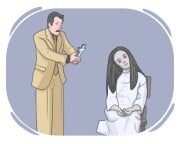
to exorcise
to exorcise
[動詞]

to remove or expel an evil spirit from a person or place through the use of rituals, prayers, or supernatural methods

悪霊を払う, エクソシズムを行う

悪霊を払う, エクソシズムを行う

Ex: The priest performed a ritual to exorcise the malevolent entity. 

司祭は悪意のある存在を追い出すための儀式を行いました。

exorcism
exorcism
[名詞]

the religious or spiritual practice of driving out evil spirits or entities from a person or place

悪魔払い, 解放

悪魔払い, 解放

Ex: The priest performed an exorcism to rid the house of spirits. 

司祭は家から霊を追い出すために悪魔払いを行いました。

outreach
outreach
[名詞]

the act of helping or offering services to people who are unlikely to receive it in the normal way

リーチ, コミュニティサービス

リーチ, コミュニティサービス

Ex: She manages a team that provides mobile outreach services to isolated rural areas. 

彼女は孤立した農村地域にモバイルアウトリーチサービスを提供するチームを管理しています。

to outride
to outride
[動詞]

to surpass someone or something in terms of speed, distance, or performance

追い越す, 凌駕する

追い越す, 凌駕する

Ex: I outride my friends during our horseback riding adventures. 

私は乗馬の冒険中に友達を追い越します

outright
outright
[副詞]

without any restrictions, conditions, or further financial obligations attached

完全に, 無条件で

完全に, 無条件で

Ex: They purchased the apartment outright for $500,000 without taking out a mortgage. 

彼らは500,000ドルでアパートを一括で購入し、住宅ローンを組まなかった。

to tantalize
to tantalize
[動詞]

to torment someone by showing or promising something desirable that remains just out of reach

そそる, 誘惑する

そそる, 誘惑する

Ex: The aroma of fresh bread tantalized the hungry crowd. 

新鮮なパンの香りが空腹の群衆をじらした

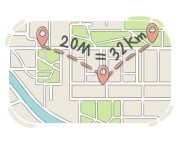
tantamount
tantamount
[形容詞]

equivalent in effect, value, or meaning

同等の, 等しい

同等の, 等しい

Ex: The CEO's resignation was tantamount to a vote of no confidence in the board. 

CEOの辞任は、取締役会への不信任投票に相当するものでした。

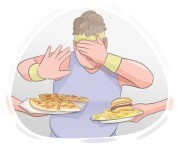
to abstain
to abstain
[動詞]

to avoid doing something, especially something that one enjoys

控える, 避ける

控える, 避ける

Ex: They regularly abstain from consuming alcohol for personal reasons. 

彼らは個人的な理由で定期的にアルコールの摂取を控えています。

abstemious
abstemious
[形容詞]

avoiding too much consumption of alcoholic drinks or food

節制のある, 禁欲的な

節制のある, 禁欲的な

Ex: John is known for his abstemious lifestyle, opting for a balanced diet and moderate portions. 

ジョンは、バランスの取れた食事と適度な量を選ぶ、節制した生活スタイルで知られています。

abstinence
abstinence
[名詞]

the voluntary act of refraining from certain activities or substances that one may desire, typically motivated by health, moral, or religious reasons

禁欲

禁欲

Ex: Despite his love for rich desserts, he practiced abstinence and avoided sweets to maintain a healthy lifestyle. 

リッチなデザートへの愛にもかかわらず、彼は健康的なライフスタイルを維持するために禁欲を実践し、甘いものを避けました。

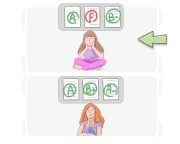
inconsistent
inconsistent
[形容詞]

not staying the same or predictable in quality or behavior

一貫性のない, 不安定な

一貫性のない, 不安定な

Ex: Her performance was inconsistent; she would excel one day and struggle the next. 

彼女のパフォーマンスは一貫性がなかった;ある日は優れていて、次の日は苦労していた。

inconstant
inconstant
[形容詞]

changing very often, especially without a convincing reason

不安定な, 変わりやすい

不安定な, 変わりやすい

Ex: Her inconstant work habits resulted in inconsistent productivity and missed deadlines. 

彼の不安定な仕事の習慣は、一貫しない生産性と期限の遅れをもたらしました。

inconvenient
inconvenient
[形容詞]

causing trouble or difficulty due to a lack of compatibility with one's needs, comfort, or purpose

不便な, 面倒な

不便な, 面倒な

Ex: The broken elevator made reaching the top floor very inconvenient. 

壊れたエレベーターは最上階に到達することを非常に不便にした。

inconsiderable
inconsiderable
[形容詞]

not enough to attract attention or seem important

取るに足らない, 些細な

取るに足らない, 些細な

Ex: When compared to the vastness of the ocean, the size of the pebble seemed inconsiderable. 

海の広大さと比べると、小石の大きさは取るに足らないように見えた。

LanGeek
LanGeekアプリをダウンロード