pattern

本 Four Corners 2 - ユニット11 レッスンD

ここでは、Four Corners 2コースブックのユニット11レッスンDからの語彙を見つけることができます。例えば「プログラム」、「定期的」、「裁判官」などです。

復習

フラッシュカード

綴り

クイズ

学習を開始
Four Corners 2
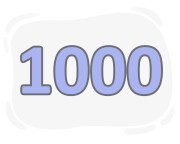
thousand
thousand
[数詞]

the number 1 followed by 3 zeros

千,千番

千,千番

Ex: The ancient manuscript was estimated to be over a thousand years old, preserving the wisdom of generations. 

その古代の写本は千年以上前のものと推定され、世代の知恵を保存していました。

to enter
to enter
[動詞]

to come or go into a place

入る

入る

Ex: Yesterday, they entered the museum to explore the exhibits. 

昨日、彼らは展示を探索するために博物館に入りました。

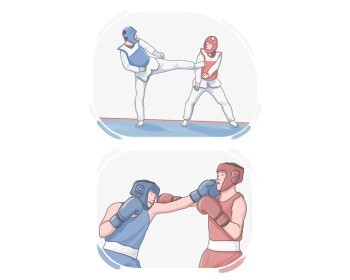
competition
competition
[名詞]

an event or contest in which individuals or teams compete against each other

競争, コンテスト

競争, コンテスト

Ex: The competition for the best home-made cake is tomorrow. 

最高の手作りケーキのコンペティションは明日です。

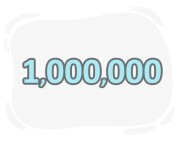
million
million
[数詞]

the number 1 followed by 6 zeros

百万

百万

Ex: The lottery winner couldn't believe their luck as they held a million-dollar check in their hands. 

宝くじの当選者は、手に百万ドルの小切手を握りしめながら、自分の運を信じられなかった。

program
program
[名詞]

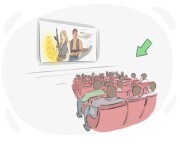
a broadcast people watch or listen to on television or radio

プログラム,番組

プログラム,番組

Ex: The radio program featured interviews with local artists and musicians. 

ラジオ番組では地元のアーティストやミュージシャンへのインタビューが特集されました。

fan
fan
[名詞]

someone who greatly admires or is interested in someone or something

ファン,崇拝者

ファン,崇拝者

Ex: As a fan of history, he enjoys reading about different time periods. 

歴史のファンとして、彼はさまざまな時代について読むことを楽しんでいます。

regular
regular
[形容詞]

following a pattern, especially one with fixed or uniform intervals

定期的な,通常の

定期的な,通常の

Ex: He arrived at the office at his regular time, as always. 

彼はいつものように、定刻にオフィスに到着した。

famous
famous
[形容詞]

known by a lot of people

有名な,著名な

有名な,著名な

Ex: The famous singer performed to a sold-out crowd at the arena. 

有名な歌手は、アリーナで完売した観衆の前で演奏しました。

from rags to riches

used to refer to the action of rising from the depth of poverty to the highest of riches

貧しさから大成功へ, 無一文から成功へ

貧しさから大成功へ, 無一文から成功へ

Ex: His story is a classic rags-to-riches tale. 

彼の物語は、貧しさから大成功へ至った典型的な話だ。

to improve
to improve
[動詞]

to make someone or something better in quality, condition, or performance

Ex: Regular exercise can improve your overall health. 

定期的な運動はあなたの全体的な健康を改善することができます。

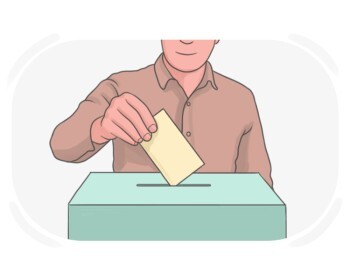
to vote
to vote
[動詞]

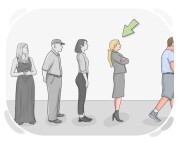
to formally express a choice or opinion about a candidate, proposal, or issue through an election or voting process
Ex: Right now, eligible voters are voting in polling stations. 
to decide
to decide
[動詞]

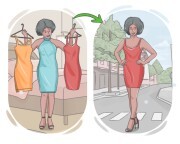
to make a choice or reach a conclusion after considering different possibilities

to make a choice or reach a conclusion after considering different possibilities
to make a choice or reach a conclusion after considering different possibilities

Ex: We need to decide where to spend our summer holiday. 
next
next
[形容詞]

coming immediately after a person or thing in time, place, or rank

次の,来る

次の,来る

Ex: We have our next meeting scheduled for Thursday. 

私たちの次の会議は木曜日に予定されています。

shower
shower
[名詞]

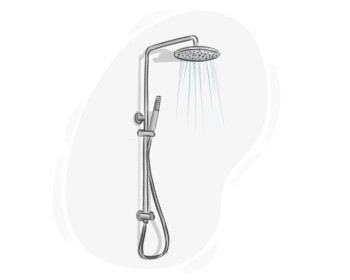
a piece of equipment that sprays water over the body for washing

シャワー

シャワー

Ex: The shower in our hotel room had excellent water pressure. 
contest
contest
[名詞]

an organized competition in which people or teams try to win

コンテスト
コンテスト

Ex: Emma entered a photography contest at school. 
seriously
seriously
[副詞]

in a manner that suggests harm, damage, or threat is substantial

深刻に,重大に

深刻に,重大に

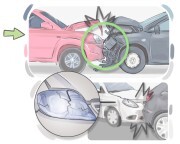
Ex: He was seriously injured in the accident. 

彼は事故で重傷を負った。

stage
stage
[名詞]

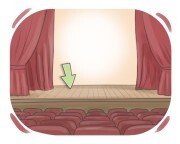
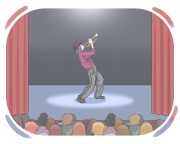
an elevated area, especially in theaters, on which artists perform for the audience

舞台,ステージ

舞台,ステージ

Ex: The theater crew set up the props and lighting on the stage for the upcoming play. 

劇団のスタッフが、今後の公演のために舞台上に小道具と照明を設置しました。

audience
audience
[名詞]

a group of people who have gathered to watch and listen to a play, concert, etc.

観客, 聴衆

観客, 聴衆

Ex: The audience was moved by the powerful speech. 

観客は力強いスピーチに感動しました。

to perform
to perform
[動詞]

to give a performance of something such as a play or a piece of music for entertainment

演奏する,演じる

演奏する,演じる

Ex: The orchestra will perform Beethoven's Fifth Symphony tonight. 

オーケストラは今夜、ベートーヴェンの第五交響曲を演奏します。

to judge
to judge
[動詞]

to form an opinion about someone or something after considering the available information

Ex: It's difficult to judge the quality of a product from photographs alone. 
to miss
to miss
[動詞]

to fail to do something, or to omit or overlook something that should have been done

逃す,見落とす

逃す,見落とす

Ex: They missed a vital piece of information in the meeting and had to make corrections later. 

彼らは会議で重要な情報を見逃し、後で修正しなければならなかった。

LanGeek
LanGeekアプリをダウンロード