
pattern

SAT 語彙スキル 3 - レッスン45

復習

フラッシュカード

綴り

クイズ

学習を開始
SAT Word Skills 3
to counteract

to act against something in order to reduce its effect

打ち消す,中和する

打ち消す,中和する

Ex: Drinking plenty of water can help counteract the dehydrating effects of caffeine. 

たくさんの水を飲むことは、カフェインの脱水作用を打ち消すのに役立ちます。

subpoena
subpoena
[名詞]

a legal document issued by a court or administrative agency, compelling an individual to appear as a witness, produce certain documents, or provide testimony in a legal proceeding

召喚状,出頭命令

召喚状,出頭命令

Ex: The attorney served a subpoena on the key witness, requiring their presence at the trial. 

弁護士は主要な証人に召喚状を送達し、裁判への出席を要求した。

counterbalance

a weight used to balance another weight or offset the force it produces

Ex: The elevator's counterbalance reduces the effort needed to lift the car. 
countercharge

the act of attacking the enemy back

反撃,応酬

反撃,応酬

counterclaim
counterclaim
[名詞]

a response in court, stating an opposing demand

反訴,反対請求

反訴,反対請求

to counterfeit

to make a false copy of something with the intent to deceive

偽造する,模造する

偽造する,模造する

Ex: They tried to counterfeit the company's logo on fake products. 

彼らは偽の製品に会社のロゴを偽造しようとしました。

to countermand

to officially cancel or replace a command

取り消す,撤回する

取り消す,撤回する

counterpart
counterpart
[名詞]

a person or thing that has a similar role, function, position, or characteristics to another

対応する人

対応する人

Ex: Emma met her French counterpart at the conference. 
to countervail

to apply an equal force against another power or impact that is usually bad

対抗する,相殺する

対抗する,相殺する

to delude
to delude
[動詞]

to deceive someone into believing something that is not true, often by creating false hopes or illusions

欺く,惑わす

欺く,惑わす

Ex: The politician deluded voters with promises of unrealistic solutions to complex problems. 

その政治家は、複雑な問題に対する非現実的な解決策を約束して有権者を欺いた。

delusion
delusion
[名詞]

the act of tricking someone into believing things that aren't true

幻想,欺瞞

幻想,欺瞞

delirium
delirium
[名詞]

a state of extreme mental confusion, often accompanied by confused or unclear thoughts or speech

せん妄,極度の精神混乱状態

せん妄,極度の精神混乱状態

delirious
delirious
[形容詞]

having confused or unclear thoughts or speech due to fever, pain, medication, etc.

せん妄状態の,混乱した
せん妄状態の,混乱した

to emit
to emit
[動詞]

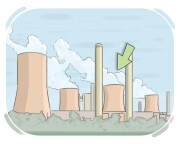
to release gases or odors into the air

放出する,発する

放出する,発する

Ex: Industrial processes can emit various pollutants if not properly regulated. 

工業プロセスは、適切に規制されていない場合、さまざまな汚染物質を放出する可能性があります。

emitter
emitter
[名詞]

a place in a voltage-controlling devise in which electrons are created

エミッタ,電子源

エミッタ,電子源

emissary
emissary
[名詞]

an agent who is sent on a mission to represent someone or a group of people

使者,代表

使者,代表

to participate

to possess or share some of the nature or qualities of something

参加する, 関与する

参加する, 関与する

Ex: The work participates of both poetry and philosophy. 
partible
partible
[形容詞]

related to a property that can be divided after being inherited

分割可能な,分けられる

分割可能な,分けられる

to parse
to parse
[動詞]

(grammar) to divide a sentence into its grammatical constituents, identifying the syntactic role of each part

解析する,分解する

解析する,分解する

partisan
partisan
[名詞]

a strongly committed supporter of a person, party, cause, or group, often showing bias in its favor

党派的支持者

党派的支持者

Ex: He remained a loyal partisan of the reform movement. 
partition
partition
[名詞]

a wall or screen that separates one area from another

Ex: A glass partition separates the offices from the meeting room. 
LanGeek
LanGeekアプリをダウンロード
