pattern

本 Total English - 中級 - ユニット8 - レッスン2

ここでは、Total English Intermediateコースブックのユニット8 - レッスン2からの語彙を見つけることができます。例えば「リサイクル」、「集中的」、「基本的に」などです。

レビュー

フラッシュカード

綴り

クイズ
学習を開始
Total English - Intermediate
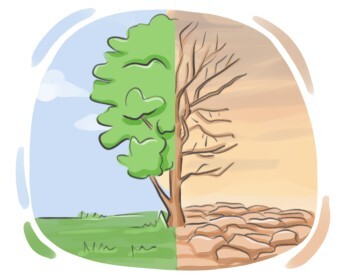
climate change

a permanent change in global or regional climate patterns, including temperature, wind, and rainfall

気候変動, 地球温暖化

気候変動, 地球温暖化

Ex: Climate change is a major concern for future generations. 

気候変動は将来の世代にとって大きな懸念事項です。

conflict
conflict
[名詞]

tension or opposition between two simultaneous, incompatible feelings

葛藤, 矛盾
葛藤, 矛盾

Ex: He felt a conflict between loyalty and ambition. 

彼は忠誠心と野心の間の葛藤を感じた。

to cure
to cure
[動詞]

to make someone regain their health

治す, 治療する

治す, 治療する

Ex: Antibiotics are often prescribed to cure bacterial infections. 

抗生物質は、細菌感染を治すためにしばしば処方されます。

debt
debt
[名詞]

an amount of money or a favor that is owed

借金, 負債
借金, 負債

Ex: After years of diligent saving, he finally managed to pay off his student debt. 

何年もの勤勉な貯蓄の後、彼はついに学生ローンを完済することができました。

disease
disease
[名詞]

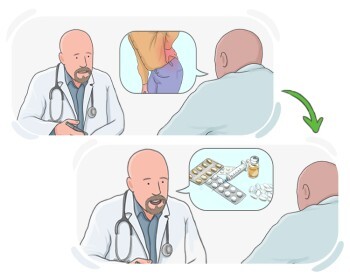
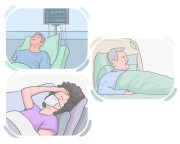
an illness in a human, animal, or plant that affects health

病気, 疾患

病気, 疾患

Ex: Many are working tirelessly to eradicate this deadly disease. 

多くの人々がこの致命的な病気を根絶するために疲れを知らずに働いています。

fair trade
fair trade
[名詞]

trading practices that do not put consumers at a disadvantage

フェアトレード

フェアトレード

global warming

the increase in the average temperature of the Earth as a result of the greenhouse effect

地球温暖化, 気候変動

地球温暖化, 気候変動

Ex: Scientists link global warming to rising sea levels. 

科学者たちは地球温暖化と海面上昇を関連付けています。

intensive
intensive
[形容詞]

involving a lot of effort, attention, and activity in a short period of time

集中的な, 徹底的な

集中的な, 徹底的な

Ex: The student enrolled in an intensive summer course to catch up on missed credits. 

その学生は、不足単位を取得するために集中夏期コースに登録しました。

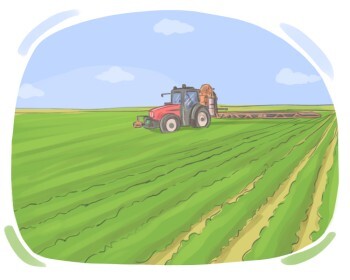
farming
farming
[名詞]

the activity of working on a farm and growing crops or producing animal products by raising them

農業, 耕作

農業, 耕作

Ex: Farming involves many tasks, from planting seeds to harvesting crops. 

農業には、種まきから作物の収穫まで多くの作業が含まれます。

mortality rate

the number of deaths in a particular population over a specific period of time, usually expressed as a ratio or percentage

死亡率, 死亡比率

死亡率, 死亡比率

organic
organic
[形容詞]

(of food or farming techniques) produced or done without any artificial or chemical substances

有機, オーガニック

有機, オーガニック

Ex: Organic farming relies on natural methods and avoids the use of synthetic pesticides and fertilizers. 

有機農業は自然の方法に頼り、合成農薬や肥料の使用を避けます。

peace
peace
[名詞]

a period or state where there is no war or violence

平和
平和

Ex: After years of conflict, the region finally experienced a period of lasting peace and stability. 

長年の紛争の後、その地域はついに持続的な平和と安定の時期を経験しました。

pollution
pollution
[名詞]

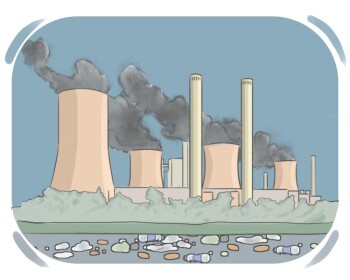
a change in water, air, etc. that makes it harmful or dangerous

汚染, 公害
汚染, 公害

Ex: The pollution in the lake has made the water toxic to fish and plants. 

湖の汚染により、水が魚や植物にとって有毒になりました。

poverty
poverty
[名詞]

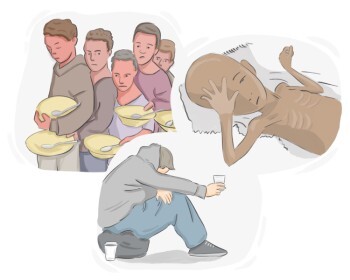
the condition of lacking enough money or income to afford basic needs like food, clothing, etc.

貧困
貧困

Ex: Many families in the area live in poverty and struggle to access basic services. 

この地域の多くの家族は貧困の中で生活し、基本的なサービスへのアクセスに苦労しています。

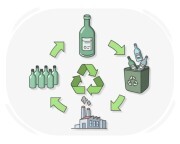
recycling
recycling
[名詞]

the process of making waste products usable again

リサイクル, 廃棄物の再利用

リサイクル, 廃棄物の再利用

Ex: Recycling helps reduce environmental pollution. 

リサイクルは環境汚染を減らすのに役立ちます。

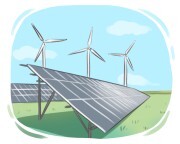
solar power
solar power
[名詞]

energy that is generated from the sun's radiation using solar panels, which convert sunlight into electricity

太陽光発電, 太陽エネルギー

太陽光発電, 太陽エネルギー

Ex: The house is equipped with solar power to reduce electricity bills. 

家は電気代を削減するために太陽光発電を装備しています。

standard of living

the level of wealth, welfare, comfort, and necessities available to an individual, group, country, etc.
Ex: Improved infrastructure and healthcare services have contributed to a higher standard of living in urban areas. 
war
war
[名詞]

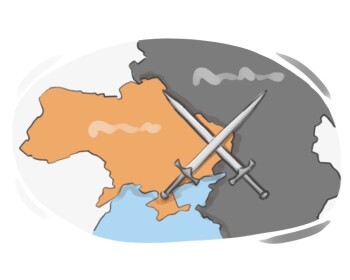
a state of armed fighting between two or more groups, nations, or states

戦争

戦争

Ex: The world was at war during the early 20th century. 

20世紀初頭、世界は戦争中でした。

wealth
wealth
[名詞]

abundance of money, property or valuable possessions

富, 財産

富, 財産

Ex: Her wealth comes from a diversified portfolio of stocks and real estate. 
basically
basically
[副詞]

used to state one's opinion while emphasizing or summarizing its most important aspects

基本的に, 要するに

基本的に, 要するに

Ex: Basically, we need to finish the project by the end of the week. 

基本的に、私たちは週末までにプロジェクトを終わらせる必要があります。

fortunately
fortunately
[副詞]

used to express that something positive or favorable has happened or is happening by chance

幸いにも, 運良く

幸いにも, 運良く

Ex: Fortunately, the weather cleared up just in time for the outdoor event, allowing it to proceed smoothly. 

幸いにも、天気は屋外イベントにちょうど間に合って晴れ、それが円滑に進行することを可能にしました。

hopefully
hopefully
[副詞]

used for expressing that one hopes something will happen

願わくば, うまくいけば

願わくば, うまくいけば

Ex: He submitted his job application, and hopefully, he will be invited for an interview. 

彼は仕事の応募書類を提出し、願わくば、面接に招待されるでしょう。

obviously
obviously
[副詞]

in a way that is easily understandable or noticeable

明らかに, 当然

明らかに, 当然

Ex: The sun was setting, so obviously, it was getting darker outside. 

太陽が沈んでいたので、明らかに、外は暗くなっていました。

personally
personally
[副詞]

used to show that the opinion someone is giving comes from their own viewpoint

個人的に, 私の見解では

個人的に, 私の見解では

Ex: I can't endorse that product personally, as I've had a negative experience with it. 

私はその製品を個人的に推奨することはできません、なぜならそれに関して否定的な経験をしたからです。

surprisingly
surprisingly
[副詞]

in a way that is unexpected and causes amazement

驚くほど, 予想外に

驚くほど, 予想外に

Ex: She finished the race surprisingly quickly, beating all her competitors. 

彼女はレースを驚くほど速く終え、すべての競争相手を打ち負かした。

LanGeek
LanGeekアプリをダウンロード