


pattern

本 Total English - 中上級 - ユニット10 - 参照

ここでは、Total English Upper-Intermediateコースブックのユニット10 - リファレンスからの語彙を見つけることができます。例えば、「意志力」、「直感」、「すりおろす」などです。

レビュー

フラッシュカード

綴り

クイズ

学習を開始
Total English - Upper-intermediate
willpower
willpower
[名詞]

the ability to control one's own behavior, actions, and decision-making through the exercise of conscious effort and self-discipline

意志力, 精神力

意志力, 精神力

Ex: She showed incredible willpower by resisting the temptation to eat junk food. 
mind over matter

the willpower to overcome one's problems or control one's physical condition

気力で乗り切ること, 精神力で体を制すること

気力で乗り切ること, 精神力で体を制すること

Ex: During the marathon, it was mind over matter after the twentieth mile. 
persuasion
persuasion
[名詞]

the process or act of persuading someone to do or believe something particular

説得, 納得

説得, 納得

Ex: Effective persuasion requires strong communication skills. 
premonition
premonition
[名詞]

a strong feeling or sense that something unpleasant is going to happen, often without clear evidence or reason

予感, 前兆

予感, 前兆

Ex: She had a premonition that something bad was about to occur. 
deja vu
deja vu
[名詞]

the feeling that a current situation has happened before, even though it is new

デジャヴ

デジャヴ

Ex: He paused mid-conversation, struck by a sudden deja vu. 
to trust
to trust
[動詞]

to believe that someone is sincere, reliable, or competent

信頼する, 信用する

信頼する, 信用する

Ex: She regularly trusts her colleagues to complete tasks efficiently. 
intuition
intuition
[名詞]

the ability to understand or know something immediately, without conscious reasoning or evidence

直感, 勘

直感, 勘

Ex: She had an intuition that the plan would succeed. 
sixth sense
sixth sense
[名詞]

a general sense of intuition or perception that is not based on rational or empirical evidence

第六感, 直感

第六感, 直感

Ex: She seemed to have a sixth sense for detecting danger. 
unconscious
unconscious
[名詞]

the part of the mind where thoughts, feelings, and memories exist without a person being aware of them

無意識, 潜在意識

無意識, 潜在意識

Ex: Deep fears are often stored in the unconscious. 
subconscious
subconscious
[名詞]

the part of the mind that is not currently in focused awareness, but still influences thoughts, feelings, and behavior, often through automatic or involuntary processes

潜在意識, 無意識

潜在意識, 無意識

Ex: His subconscious kept bringing up memories he had forgotten. 
advertisement

any movie, picture, note, etc. designed to promote products or services to the public

広告, 宣伝

広告, 宣伝

Ex: I saw an interesting advertisement about a new Italian restaurant in town. 
trailer
trailer
[名詞]

a selection from different parts of a movie, TV series, games, etc. shown before they become available to the public

トレーラー, 予告編

トレーラー, 予告編

Ex: The studio released a second trailer with more footage from the film. 
advertising
advertising
[名詞]

the activity or profession of making commercial announcements to promote a product or service

広告, 宣伝

広告, 宣伝

Ex: Successful advertising helps brands attract more customers. 
marketing
marketing
[名詞]

the act or process of selling or advertising a product or service, usually including market research

マーケティング, 販売

マーケティング, 販売

Ex: Successful marketing requires understanding customer needs. 
intelligence
intelligence
[名詞]

the ability to correctly utilize thought and reason, learn from experience, or to successfully adapt to the environment

知能

知能

Ex: Intelligence plays a key role in solving complex problems. 
interesting
interesting
[形容詞]

catching and keeping our attention because of being unusual, exciting, etc.

興味深い, 魅力的な

興味深い, 魅力的な

Ex: I read an interesting article about space exploration in the newspaper. 
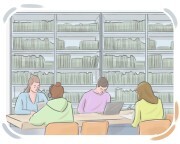
library
library
[名詞]

a place in which collections of books and sometimes newspapers, movies, music, etc. are kept for people to read or borrow

図書館

図書館

Ex: I spent the afternoon studying at the local library. 
necessary
necessary
[形容詞]

needed to be done for a particular reason or purpose

必要な, 不可欠な

必要な, 不可欠な

Ex: It is necessary to study for exams to achieve good grades. 
occasionally
occasionally
[副詞]

not on a regular basis

時折,  たまに

時折, たまに

Ex: She visits her grandparents occasionally. 
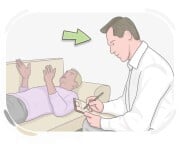
psychologist
psychologist
[名詞]

a professional who studies behavior and mental processes to understand and treat psychological disorders and improve overall mental health

心理学者, 心理学の専門家

心理学者, 心理学の専門家

Ex: The psychologist counseled patients struggling with anxiety and depression. 
responsibility

the obligation to perform a particular duty or task that is assigned to one

責任, 義務

責任, 義務

Ex: She accepted the responsibility of leading the project team. 
separate
separate
[形容詞]

not connected to anything, and forming a unit by itself

別々の, 独立した

別々の, 独立した

Ex: The hotel has separate rooms for guests traveling alone. 
weird
weird
[形容詞]

strange in a way that is difficult to understand

奇妙な, 変な

奇妙な, 変な

Ex: He's a good friend, but he has some weird tastes in music. 
commercial break

a pause in a television or radio program during which advertisements or commercials are shown

コマーシャルブレイク, CM休止

コマーシャルブレイク, CM休止

Ex: I usually grab a snack during the commercial break. 
target market

a specific group of consumers or customers that a business or organization aims to reach and serve with its products or services

ターゲット市場, ターゲット層

ターゲット市場, ターゲット層

Ex: Their target market includes fitness enthusiasts and athletes. 
brand
brand
[名詞]

the name that a particular product or service is identified with

ブランド, 商標名

ブランド, 商標名

Ex: Apple is known for its innovative products and strong brand identity worldwide. 
hype
hype
[名詞]

exaggerated promotion meant to attract attention or excitement

誇大宣伝, 過剰なプロモーション

誇大宣伝, 過剰なプロモーション

Ex: The movie didn’t live up to the hype surrounding it. 
slogan
slogan
[名詞]

a short memorable phrase that is used in advertising to draw people's attention toward something

スローガン, 標語

スローガン, 標語

Ex: The company's slogan "Just Do It" became synonymous with their brand, inspiring millions of athletes worldwide. 
logo
logo
[名詞]

a symbol or design used to represent a company or organization

ロゴ, エンブレム

ロゴ, エンブレム

Ex: The company's new logo features a bold design with vibrant colors that stand out. 
to [make] up {one's} mind

to come to a final decision or conclusion after considering different options or possibilities

決心する, 腹を決める

決心する, 腹を決める

Ex: I need a few more days before I make up my mind. 
to [slip] {one's} (mind|memory)

to be forgotten or disregarded

うっかり忘れる, 頭から抜ける

うっかり忘れる, 頭から抜ける

Ex: I meant to call you back, but it completely slipped my mind. 
to [change] {one's} mind

to change one's opinion or decision regarding something

気が変わる, 考えを変える

気が変わる, 考えを変える

Ex: I was going to quit, but I changed my mind after talking to my manager. 
to [cross] {one's} mind

to come into one's thoughts or mind momentarily

Ex: The idea of traveling the world has crossed my mind many times. 
to [come|spring] (to|into) mind

(of an idea or thought) to suddenly be remembered or thought of

頭に浮かぶ, 思い浮かぶ

頭に浮かぶ, 思い浮かぶ

Ex: When I heard the news, memories of our childhood summers immediately sprang to mind. 
to [speak] {one's} mind

to express one's opinions in an honest or fearless way

思っていることを率直に言う, 遠慮せずに本音を言う

思っていることを率直に言う, 遠慮せずに本音を言う

Ex: I'm not afraid to speak my mind, even if it means ruffling some feathers. 
to [keep] {sth} in mind

to remember or consider a particular piece of information or advice

Ex: Keep in mind that the meeting is at 3 PM. 
accommodation

a place where people live, stay, or work in

宿泊施設, 住居

宿泊施設, 住居

Ex: She booked her accommodation in advance to ensure she had a comfortable place to stay during her vacation. 
beginning
beginning
[名詞]

the point at which something, such as an event, a story, etc. begins

始まり, 開始

始まり, 開始

Ex: The beginning of the movie captured everyone's attention with its dramatic opening scene. 
to believe
to believe
[動詞]

to accept something to be true even without proof

信じる, 信用する

信じる, 信用する

Ex: I believed her excuses for missing the meeting. 
changeable
changeable
[形容詞]

characterized by frequent or unpredictable changes

変わりやすい, 不安定な

変わりやすい, 不安定な

Ex: The weather in the mountains is notoriously changeable, with conditions shifting rapidly. 
definitely
definitely
[副詞]

in a certain way

確実に, 間違いなく

確実に, 間違いなく

Ex: I will definitely attend the meeting tomorrow. 
doubt
doubt
[名詞]

a feeling of disbelief or uncertainty about something

疑い, 不確実性

疑い, 不確実性

Ex: Doubt crept into her mind as she pondered the possibility of failure. 
existence
existence
[名詞]

the fact or state of existing or being objectively real

存在, 実存

存在, 実存

Ex: Philosophers have long debated the nature of existence and what it means to be alive. 
friend
friend
[名詞]

someone we like and trust

友達, 仲間

友達, 仲間

Ex: David and Samantha became friends after meeting at a book club and discovered their shared passion for literature. 
foreigner
foreigner
[名詞]

a person who lives in a country where they are not a citizen or permanent resident

外国人

外国人

Ex: As a foreigner, she had to adjust to local customs. 
great
great
[形容詞]

exceptionally large in degree or amount

巨大な, かなりの

巨大な, かなりの

Ex: The storm caused a great deal of damage to the coastal town. 
grate
grate
[名詞]

a metal framework of bars or wires used to cover or partition openings or enclosures, such as a fireplace, drain, vent, or window

グリル, 格子

グリル, 格子

Ex: The fireplace grate held burning logs securely. 
generous
generous
[形容詞]

having a willingness to freely give or share something with others, without expecting anything in return

寛大な、気前の良い

寛大な、気前の良い

Ex: She's a generous donor, always contributing to charitable causes and helping those in need. 
to [get|take|keep] {one's} mind off {sth}

to distract someone's attention or thoughts away from something, typically something stressful, worrisome, or unpleasant

何かから気をそらす, 気晴らしをする

何かから気をそらす, 気晴らしをする

Ex: I went for a long walk to take my mind off the interview. 
LanGeek
LanGeekアプリをダウンロード