pattern

本 Total English - 初中級 - ユニット7 - 参照 - パート2

ここでは、Total English Pre-Intermediateコースブックのユニット7 - リファレンス - パート2からの語彙を見つけることができます。例えば、「開く」、「病気」、「インフルエンザ」などです。

レビュー

フラッシュカード

綴り

クイズ

学習を開始
Total English - Pre-intermediate
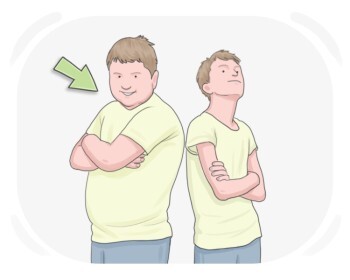
overweight
overweight
[形容詞]

weighing more than what is considered healthy or desirable for one's body size and build

太りすぎ, 肥満

太りすぎ, 肥満

Ex: John is overweight because he eats large portions and rarely exercises. 

ジョンは大きな量を食べ、めったに運動しないので太りすぎです。

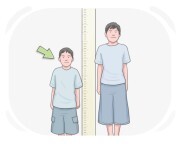
short
short
[形容詞]

(of a person) having a height that is less than what is thought to be the average height

短い, 背が低い

短い, 背が低い

Ex: Despite being short, he excelled in basketball due to his agility and speed. 
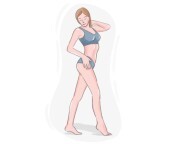
skinny
skinny
[形容詞]

having a very low amount of body fat

細い, スリムな
細い, スリムな

Ex: She has always been naturally skinny, even though she eats well. 
slim
slim
[形容詞]

thin in an attractive and well-proportioned way

スリム, ほっそりした
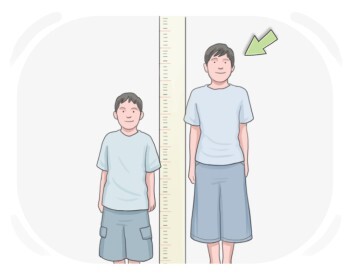
スリム, ほっそりした

Ex: Emma is tall and slim with dark hair. 
tall
tall
[形容詞]

(of a person) having a height that is greater than what is thought to be the average height

背が高い,高い, having more height than others
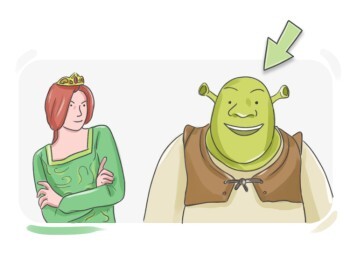
背が高い,高い, having more height than others

Ex: People often compliment him on being tall and slender. 
ugly
ugly
[形容詞]

very unattractive or unpleasant in appearance

Ex: Emma thought the old concrete building was ugly. 
ambitious
ambitious
[形容詞]

trying or wishing to gain great success, power, or wealth

野心的な,  野心のある

野心的な, 野心のある

Ex: Always the ambitious student, she dreamed of attending a top university and then establishing her own global enterprise. 

常に野心的な学生である彼女は、トップ大学に通い、その後自分のグローバル企業を設立することを夢見ていました。
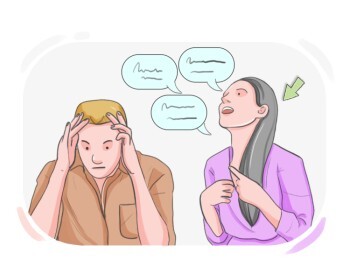
chatty
chatty
[形容詞]

full of trivial or nonessential details in conversation

おしゃべりな, 話好きな

おしゃべりな, 話好きな

Ex: The chatty child kept asking questions. 

おしゃべりな子供は質問をし続けた。

easygoing
easygoing
[形容詞]

calm and not easily worried or upset

のんびりした, 穏やかな

のんびりした, 穏やかな

Ex: Her easygoing nature made her a favorite among her colleagues, as she handled stress with grace. 

彼女ののんびりした性格は、ストレスを優雅に扱ったため、同僚の間でお気に入りになりました。
hardworking
hardworking
[形容詞]

(of a person) putting in a lot of effort and dedication to achieve goals or complete tasks

勤勉な, 働き者

勤勉な, 働き者

Ex: She's a hardworking student, consistently dedicating herself to her studies. 

彼女は勤勉な学生で、常に勉強に専念しています。

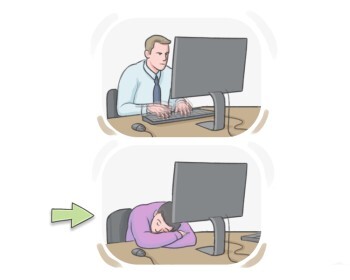
lazy
lazy
[形容詞]

avoiding work or activity and preferring to do as little as possible

怠惰な, ものぐさ

怠惰な, ものぐさ

Ex: Her room was always messy because she was too lazy to tidy up after herself. 

彼女の部屋はいつも散らかっていた。なぜなら、彼女は自分で片付けるのがあまりにも面倒くさがりだったからだ。
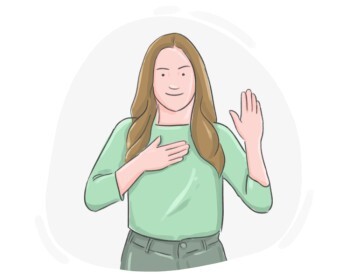
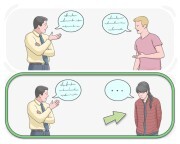
open
open
[形容詞]

having a straightforward and honest attitude

開放的, 率直
開放的, 率直

Ex: He was open about his past experiences, even the difficult ones. 
reserved
reserved
[形容詞]

reluctant to share feelings or problems

控えめな, 無口な

控えめな, 無口な

Ex: Despite his reserved demeanor, he was a deeply compassionate person who preferred to listen rather than speak about his own struggles. 

彼の控えめな態度にもかかわらず、彼は自分の苦労について話すよりも聞くことを好む、深く思いやりのある人でした。
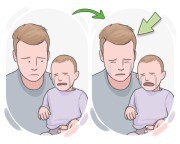
sensitive
sensitive
[形容詞]

capable of understanding other people's emotions and caring for them

敏感な, 共感的な
敏感な, 共感的な

Ex: Being sensitive to cultural differences allows for better communication and mutual respect. 
unreliable
unreliable
[形容詞]

not deserving of trust or confidence

信頼できない, 当てにならない

信頼できない, 当てにならない

Ex: The witness proved unreliable in court. 

証人は法廷で信頼できないと証明された。

illness
illness
[名詞]

the state of being physically or mentally sick

病気, 疾患
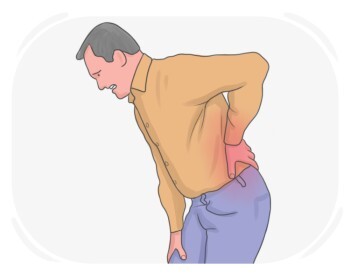
病気, 疾患

Ex: She missed several weeks of work because of illness. 
backache
backache
[名詞]

a pain in someone's back

背中の痛み, 腰痛

背中の痛み, 腰痛

Ex: Backache is a common complaint among office workers. 

腰痛はオフィスワーカーによくある不満です。

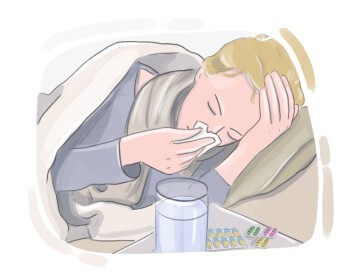
cold
cold
[名詞]

a mild disease that we usually get when viruses affect our body and make us cough, sneeze, or have fever

風邪, 感冒
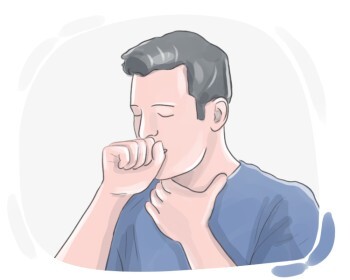
風邪, 感冒

Ex: She can't stop coughing, it must be a cold. 
to cough
to cough
[動詞]

to force air suddenly out of the lungs through the throat with a short, sharp sound
Ex: The smoke made Emma cough. 
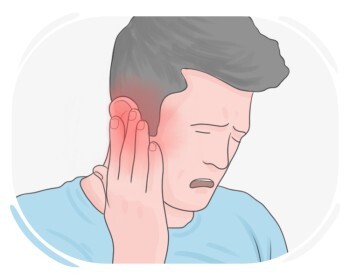
earache
earache
[名詞]

a pain inside the ear

耳の痛み, 耳痛

耳の痛み, 耳痛

Ex: Don't ignore a severe earache, it might need medical attention. 

深刻な耳の痛みを無視しないでください、医療的な処置が必要かもしれません。

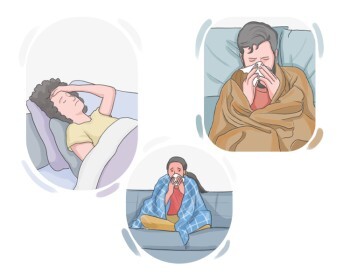
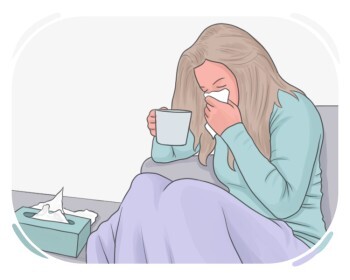
flu
flu
[名詞]

an infectious disease similar to a bad cold, causing fever and severe pain

インフルエンザ

インフルエンザ

Ex: After catching the flu, he realized the importance of getting vaccinated. 

インフルエンザにかかった後、彼は予防接種の重要性に気づいた。

headache
headache
[名詞]

a pain in the head, usually persistent

頭痛

頭痛

Ex: Avoiding stress can help you prevent headaches. 

ストレスを避けることは、頭痛を防ぐのに役立ちます。

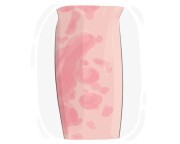
rash
rash
[名詞]

a part of one's skin covered with red spots, which is usually caused by a sickness or an allergic reaction

発疹, 赤み

発疹, 赤み

Ex: A rash is a change in the skin's appearance, often characterized by redness, bumps, or blisters. 

発疹は、皮膚の外観の変化で、しばしば赤み、隆起、または水疱を特徴とします。

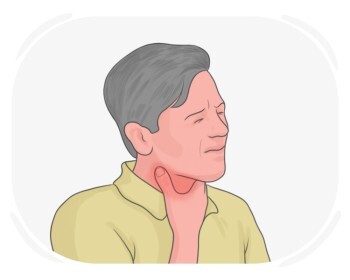
sore throat
sore throat
[名詞]

a condition when you feel pain in the throat, usually caused by bacteria or viruses

喉の痛み

喉の痛み

Ex: A sore throat is often the first sign of a cold. 

喉の痛みは、しばしば風邪の最初の兆候です。

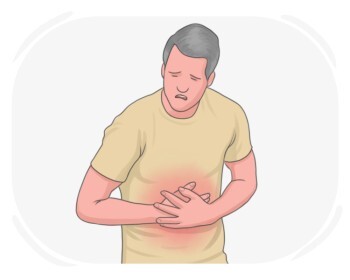
stomachache
stomachache
[名詞]

a pain in or near someone's stomach

腹痛, 胃痛

腹痛, 胃痛

Ex: Drinking too much coffee gives me a stomachache. 

コーヒーを飲みすぎると 胃痛 がします。

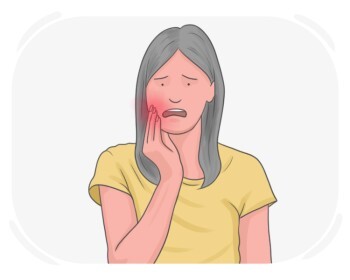
toothache
toothache
[名詞]

pain felt in a tooth or several teeth

歯痛, 歯の痛み

歯痛, 歯の痛み

Ex: After eating too many sweets, she got a severe toothache. 

甘いものを食べすぎた後、彼女はひどい歯痛に悩まされました。

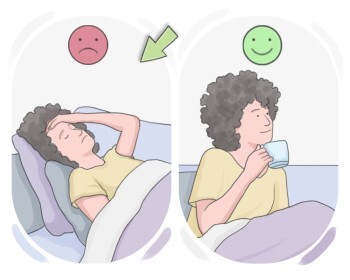
sick
sick
[形容詞]

not in a good and healthy physical or mental state

病気の, 吐き気がする
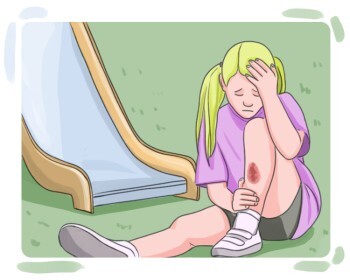
病気の, 吐き気がする

Ex: She stayed home because she is sick. 
to hurt
to hurt
[動詞]

to cause injury or physical pain to yourself or someone else

傷つける, 痛みを与える

傷つける, 痛みを与える

Ex: I think I hurt my ankle during the soccer game. 
organized
organized
[形容詞]

(of a person) managing one's life, work, and activities in an efficient way

整理された, きちんとした

整理された, きちんとした

Ex: She is very organized and always finishes her work on time. 

彼女はとてもきちんとしていて、いつも仕事を時間通りに終わらせます。

LanGeek
LanGeekアプリをダウンロード