
El libro Total English - Pre-intermedio - Unidad 7 - Referencia - Parte 2
Aquí encontrarás el vocabulario de la Unidad 7 - Referencia - Parte 2 del libro de curso Total English Pre-Intermediate, como "abierto", "enfermedad", "gripe", etc.
Revisión
Tarjetas de memoria
Ortografía
Cuestionario

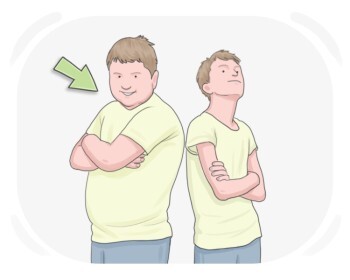
weighing more than what is considered healthy or desirable for one's body size and build

con sobrepeso
Tener sobrepeso aumenta el riesgo de desarrollar enfermedades cardíacas y diabetes.
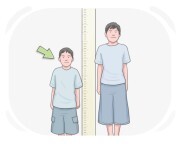
(of a person) having a height that is less than what is thought to be the average height
bajo

having a very low amount of body fat
flaco
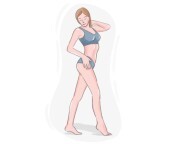
thin in an attractive and well-proportioned way
delgado
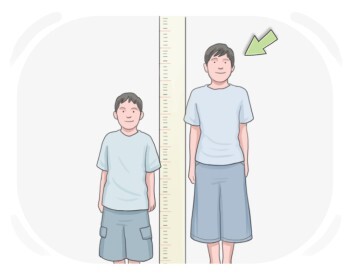
(of a person) having a height that is greater than what is thought to be the average height
alto, largo
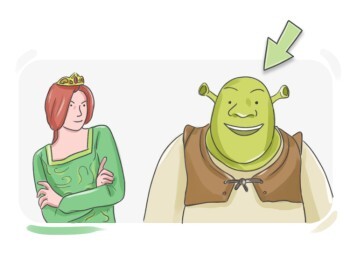
very unattractive or unpleasant in appearance
feo

trying or wishing to gain great success, power, or wealth
ambicioso
María es una estudiante ambiciosa, que siempre aspira a las mejores calificaciones y participa en numerosas actividades extracurriculares.
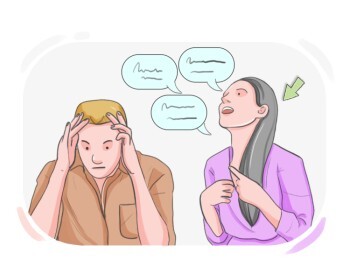
full of trivial or nonessential details in conversation
hablador, parlanchín
Los pasajeros habladores hicieron el viaje en tren más agradable.

calm and not easily worried or upset
de trato fácil, acomodadizo
El profesor relajado creó un ambiente de clase relajado donde los estudiantes se sentían cómodos expresándose.
(of a person) putting in a lot of effort and dedication to achieve goals or complete tasks
trabajador
A pesar de las largas horas, ella siguió siendo trabajadora, comprometida con alcanzar el éxito en su carrera.
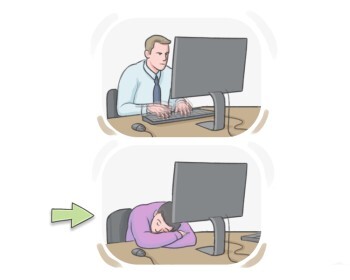
avoiding work or activity and preferring to do as little as possible
perezoso, vago
En lugar de cocinar una comida, optó por la comida para llevar porque se sentía demasiado perezoso para cocinar.
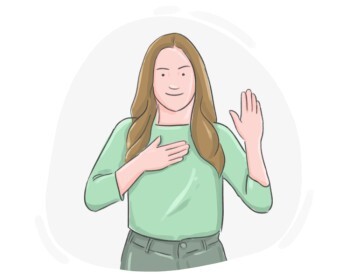
having a straightforward and honest attitude
abierto
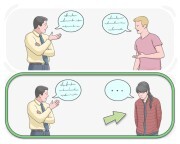
reluctant to share feelings or problems
reservado
Siempre ha sido una persona reservada, prefiriendo escuchar en lugar de hablar.
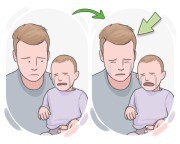
capable of understanding other people's emotions and caring for them
sensible
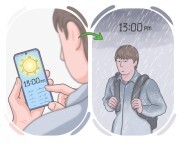
not deserving of trust or confidence
poco fiable
Es considerado poco confiable por sus colegas.
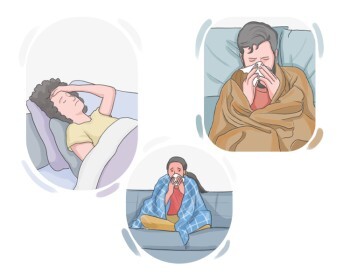
the state of being physically or mentally sick
enfermedad
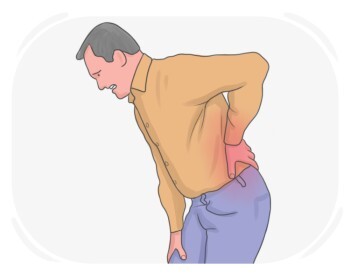
a pain in someone's back
dolor de espalda
No podía jugar al fútbol debido a un dolor de espalda severo.
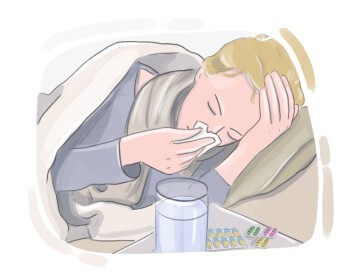
a mild disease that we usually get when viruses affect our body and make us cough, sneeze, or have fever
resfriado
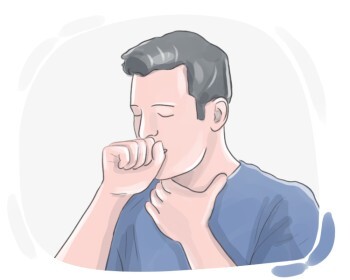
to force air suddenly out of the lungs through the throat with a short, sharp sound
toser
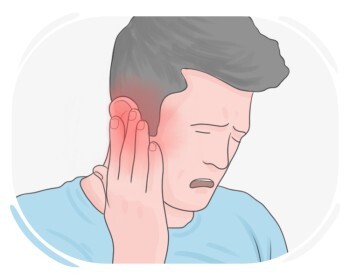
a pain inside the ear
dolor de oídos
Si tu dolor de oído está acompañado de fiebre, debes ver a un médico inmediatamente.
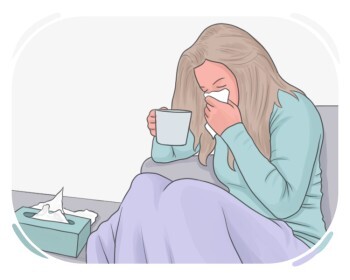
an infectious disease similar to a bad cold, causing fever and severe pain
gripe
Tiene fiebre alta; podría ser la gripe.
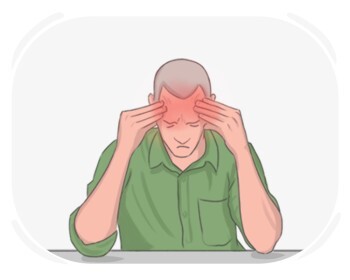
a pain in the head, usually persistent
dolor de cabeza
a part of one's skin covered with red spots, which is usually caused by a sickness or an allergic reaction
sarpullido, erupción
Los tipos comunes de erupción cutánea incluyen eczema, dermatitis de contacto, sarpullido por calor y erupciones virales como el sarampión o la varicela.
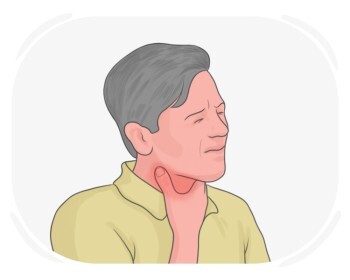
a condition when you feel pain in the throat, usually caused by bacteria or viruses
dolor de garganta
Siempre le duele la garganta cuando cambia el clima.
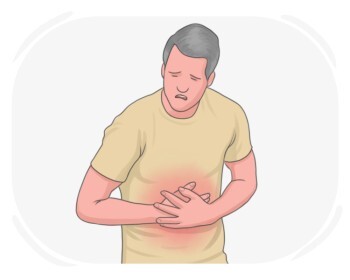
a pain in or near someone's stomach
dolor de estómago
Ella sintió que le venía un dolor de estómago después del paseo en la montaña rusa.
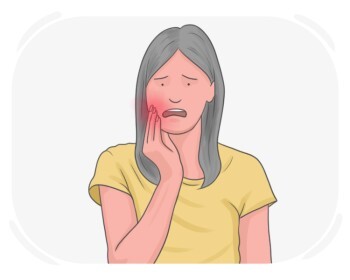
pain felt in a tooth or several teeth
dolor de muelas
No podía comer su helado debido a su dolor de muelas.
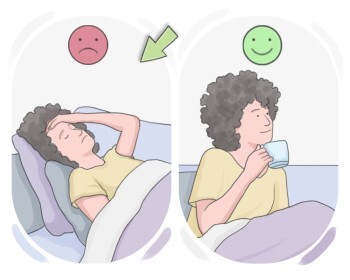
not in a good and healthy physical or mental state
enfermo
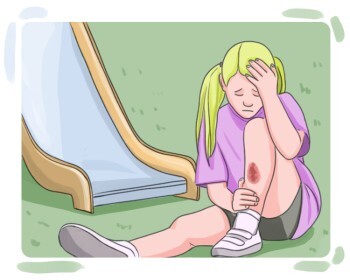
to cause injury or physical pain to yourself or someone else
hacer daño, lastimar

(of a person) managing one's life, work, and activities in an efficient way
organizado
Se volvió más organizado después de aprender a usar una agenda.
