pattern

Cambridge IELTS 18 - Academic - テスト1 - リスニング - パート3 (2)

Cambridge IELTS 18 Academic, Test 1 Listening Part 3の第2部から語彙を学びましょう。このセクションの役立つ単語や表現を紹介します。

復習

フラッシュカード

綴り

クイズ

学習を開始
Cambridge IELTS 18 - Academic
unable
unable
[形容詞]

being incapable of or lacking the skill, means, etc. necessary for doing something

できない,無能

できない,無能

Ex: She was unable to attend the meeting due to a scheduling conflict. 

スケジュールの衝突のため、彼女は会議に出席できませんでした。

variety
variety
[名詞]

a range of things or people with the same general features but different in some details

多様性, バラエティ

多様性, バラエティ

Ex: The artist experimented with a variety of painting techniques to create her masterpieces. 

その芸術家は、傑作を作るために様々な絵画技法を試しました。

at times
at times
[副詞]

at moments that are not constant or regular

時々,たまに

時々,たまに

Ex: She can be a bit reserved at times. 

彼女は時々少し控えめになることがある。

to follow
to follow
[動詞]

to understand something such as an explanation, story, or the meaning of something

理解する,追う

理解する,追う

Ex: The speaker's accent was strong, making it hard to follow their presentation. 

スピーカーのアクセントが強く、彼らのプレゼンテーションを理解するのが難しかった。

critical
critical
[形容詞]

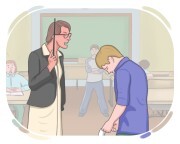
noting or highlighting mistakes or imperfections

批判的な,厳しい

批判的な,厳しい

Ex: She gave a critical review of the movie, focusing on its weak plot. 

彼女は映画の弱いプロットに焦点を当てた批判的なレビューをした。

to criticize
to criticize
[動詞]

to express disapproval of someone or something by pointing out faults or weaknesses

批判する, 非難する

批判する, 非難する

Ex: The coach criticized the team for making careless mistakes. 
advice
advice
[名詞]

a suggestion or an opinion that is given with regard to making the best decision in a specific situation

助言,忠告

助言,忠告

Ex: She sought her grandmother's advice before making a major career decision. 

彼女は大きなキャリアの決断をする前に祖母の助言を求めました。

to receive
to receive
[動詞]

to be subjected to or experience a particular reaction or feedback from others

受ける,得る

受ける,得る

Ex: The novel received critical acclaim from literary critics, who praised its compelling storyline and vivid characters. 

その小説は、文学評論家から批評的な称賛を受け、その説得力のあるストーリーラインと鮮やかなキャラクターが称賛されました。

realistic
realistic
[形容詞]

(of a person) having a practical and sensible outlook

現実的な,実用的な

現実的な,実用的な

Ex: She is realistic about her goals, focusing on what can truly be accomplished. 

彼女は自分の目標について現実的で、本当に達成できることに焦点を当てています。

practice
practice
[名詞]

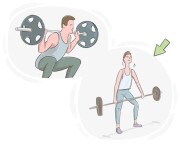
the professional work or business of a doctor, lawyer, dentist, or other experts providing services to clients or patients

診療所,練習

診療所,練習

Ex: The architect designed a modern building for the law practice in the downtown area. 

建築家はダウンタウン地区の法律事務所のために現代的な建物を設計しました。

dishonest
dishonest
[形容詞]

not truthful or trustworthy, often engaging in immoral behavior

不誠実な,欺瞞的な

不誠実な,欺瞞的な

Ex: He was caught being dishonest about his involvement in the incident. 

彼はその事件への関与について不誠実であるところを捕まった。

employer
employer
[名詞]

a person or organization that hires and pays individuals for a variety of jobs

雇用主,雇い主

雇用主,雇い主

Ex: The restaurant owner was known for being a fair and supportive employer, fostering a positive work environment for staff. 

そのレストランのオーナーは、公平で支援的な雇用主として知られており、スタッフにとって前向きな職場環境を育んでいました。

openly
openly
[副詞]

in a way that is honest or direct

公然と,率直に

公然と,率直に

Ex: The leader openly admitted to mistakes made during the project. 

リーダーはプロジェクト中に犯した過ちを公然と認めた。

to dislike
to dislike
[動詞]

to not like someone or something

嫌う,好まない

嫌う,好まない

Ex: Emma dislikes cold weather. 
to shop
to shop
[動詞]

to look for and buy different things from stores or websites

買い物をする, 購入する

買い物をする, 購入する

Ex: The family is currently shopping for new furniture to redecorate their home. 

家族は現在、家を改装するために新しい家具を買い物しています。

popular
popular
[形容詞]

created for or easily understood by a wide range of ordinary people

人気のある,一般向けの

人気のある,一般向けの

Ex: They turned complex research into a popular science show. 

彼らは複雑な研究を人気のある科学番組に変えました。

to look for
to look for
[動詞]

to expect or hope that something will happen or be achieved

Ex: The company is looking for an increase in sales next year. 
back then
back then
[副詞]

at a previous time in the past

当時,昔

当時,昔

Ex: He remembers how simple things were back then, without all the modern technology. 

彼は、すべての現代技術なしで、当時物事がどれほど単純だったかを覚えています。

reward
reward
[名詞]

payment made in return for a service rendered

報酬,賞
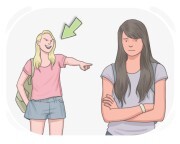
報酬,賞

Ex: He received a small reward for helping with the repairs. 
mean
mean
[形容詞]

(of a person) behaving in a way that is unkind or cruel

意地悪な,残酷な

意地悪な,残酷な

Ex: He regretted his mean behavior towards his younger sibling, realizing it was unfair. 

彼は弟や妹に対する自分の意地悪な行動を後悔し、それが不公平だったと気づいた。

appearance
appearance
[名詞]

the way that someone or something looks

外見,見た目

外見,見た目

Ex: She was nervous about her appearance before the job interview. 

彼女は就職の面接の前に自分の外見について緊張していました。

to consider
to consider
[動詞]

to think about something carefully before making a decision or forming an opinion

考慮する,検討する

考慮する,検討する

Ex: Before accepting the job offer, he wanted to consider the benefits and drawbacks. 

仕事のオファーを受ける前に、彼はメリットとデメリットを考慮したかった。

client
client
[名詞]

a person or organization that pays for the services of a company or recommendations of a professional

クライアント,顧客

クライアント,顧客

Ex: The consultant provided valuable insights that helped improve the client's business operations. 

コンサルタントは、クライアントのビジネス運営を改善するのに役立つ貴重な洞察を提供しました。

obviously
obviously
[副詞]

in a way that is easily understandable or noticeable

明らかに,当然

明らかに,当然

Ex: The sun was setting, so obviously, it was getting darker outside. 

太陽が沈んでいたので、明らかに、外は暗くなっていました。

to lose
to lose
[動詞]

to fail or cause someone to fail to get someone or something

失う,失わせる

失う,失わせる

Ex: She lost us the reservation with her last-minute cancellation. 

彼女の土壇場のキャンセルで私たちは予約を失った。

to pick up
to pick up
[動詞]

to gradually recover health, strength, or energy after illness or weakness
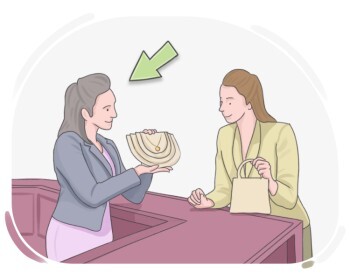
Ex: Grandma is finally picking up after her operation. 
retail
retail
[名詞]

the activity or business of selling goods directly to consumers

小売, 小売業

小売, 小売業

Ex: Emma has worked in retail for more than ten years. 
to fancy
to fancy
[動詞]

to form a mental image or idea of something

想像する, 空想する

想像する, 空想する

Ex: She fancied she could hear someone walking outside. 
at some point

at an unspecified time in the past, present, or future
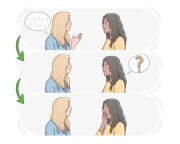
Ex: At some point I decided she was no longer my friend. 
to find out
to find out
[動詞]

to discover or become aware of a piece of information or a fact

発見する,知る

発見する,知る

Ex: The teacher found out that one of the students had cheated on the test. 

先生は、生徒の一人がテストでカンニングしたことを発見しました。

average
average
[形容詞]

having no distinctive charactristics

平均的な,普通の

平均的な,普通の

Ex: The restaurant served average food, nothing extraordinary but also nothing terrible. 

そのレストランは平均的な食事を提供し、特別なものはなかったが、ひどいものもなかった。

shopper
shopper
[名詞]

someone who goes to shops or online platforms to buy something

買い物客,顧客

買い物客,顧客

Ex: The shopper carefully inspected each item on the shelves before selecting the perfect gift for her friend's birthday. 

買い物客は、友人の誕生日にぴったりの贈り物を選ぶ前に、棚の各商品を注意深く調べました。

manufacturer
manufacturer
[名詞]

a person, company, or country that produces large numbers of products

製造業者,生産者

製造業者,生産者

Ex: As a leading manufacturer of electronic gadgets, the company expanded its reach globally. 

電子機器の主要なメーカーとして、同社はその範囲を世界的に拡大しました。

gap
gap
[名詞]

an opportunity for a product or service that is not currently available

隙間,ニッチ

隙間,ニッチ

Ex: She noticed a gap in the tech industry for user-friendly devices. 

彼女はユーザーフレンドリーなデバイスのための技術産業におけるギャップに気づいた。
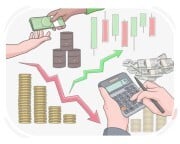
market
market
[名詞]

the realm of economic activity where goods, services, and commodities are exchanged between buyers and sellers

市場,マーケットプレイス

市場,マーケットプレイス

Ex: Emerging economies are creating new opportunities in the global market. 

新興経済は、世界の市場で新しい機会を生み出しています。

to stock
to stock
[動詞]

to provide with a supply of something, such as goods or inventory, for use or sale

在庫を補充する,供給する

在庫を補充する,供給する

Ex: Retailers are stocking their shelves with back-to-school supplies. 

小売業者はバックトゥスクール用品で棚を補充しています。

consumer
consumer
[名詞]

someone who buys and uses services or goods

消費者,顧客

消費者,顧客

Ex: Consumers have the power to influence market trends through their purchasing decisions. 

消費者は、購入決定を通じて市場のトレンドに影響を与える力を持っています。

to give up
to give up
[動詞]

to stop trying to do something because it seems too difficult or impossible

諦める, 努力をやめる

諦める, 努力をやめる

Ex: Don't give up just because you failed the first time. 
to take back
to take back
[動詞]

to return a previously bought item to a seller in order to receive a refund

返す,返品する

返す,返品する

Ex: She had to take back the dress because it didn't fit properly. 

彼女はそのドレスを返品しなければならなかった、なぜならばそれはきちんと合わなかったから。
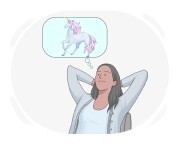
to imagine
to imagine
[動詞]

to make or have an image of something in our mind

想像する,思い描く

想像する,思い描く

Ex: Close your eyes and imagine a beautiful sunset over the ocean. 

目を閉じて海の上に美しい夕日を想像してください。

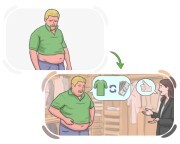
garment
garment
[名詞]

an individual piece of clothing

衣服,衣類
衣服,衣類

Ex: Emma checked the label before washing the garment. 
to return
to return
[動詞]

to take or send a purchased item back to a seller, usually for a refund or replacement

Ex: Sarah returned the shoes because they were too small. 
to fall apart

to break into pieces or lose structural integrity because of age, damage, or poor construction
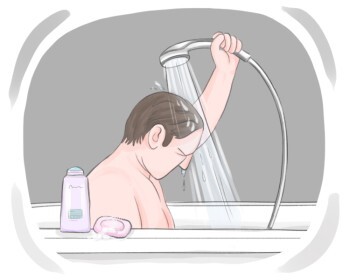
Ex: My old shoes are starting to fall apart after years of use. 
wash
wash
[名詞]

the act or process of cleaning something, typically using soap and water

洗濯, 洗い

洗濯, 洗い

Ex: The nurse performed a careful wash of her hands before attending to the patient. 

看護師は患者の世話をする前に、手を丁寧に洗浄しました。

view
view
[名詞]

the extent or range of what can be seen

眺め,パノラマ

眺め,パノラマ

Ex: The window offers an unobstructed view of the street. 

その窓は通りの遮るもののない眺めを提供する。

design
design
[名詞]

the work or industry focused on creating plans or drawings for something to look good or function well

デザイン,設計

デザイン,設計

Ex: He has a job in graphic design. 

彼はグラフィックデザインの仕事をしています。

LanGeek
LanGeekアプリをダウンロード