pattern

Cambridge IELTS 18 - アカデミック - テスト3 - リスニング - パート1

ここでは、Cambridge IELTS 18 - AcademicコースブックのTest 3 - Listening - Part 1からの語彙を見つけることができます。IELTS試験の準備に役立ちます。

レビュー

フラッシュカード

語形

綴り

クイズ
学習を開始
Cambridge IELTS 18 - Academic
speaking
speaking
[間投詞]

used when answering the phone to let the caller know that the person they are trying to reach is on the line

はい、私です, はい、お話ししています

はい、私です, はい、お話ししています

Ex: "Can I speak to the manager?" "Speaking, who is this?" 

"マネージャーと話せますか?" "私です、どちら様ですか?"

over
over
[前置詞]

through the use of a communication or transmission channel

を介して, を通じて

を介して, を通じて

Ex: He sent the message over the radio. 

彼はラジオメッセージを送った。

number
number
[名詞]

a numeral or sequence of numerals used for identification, often linked to accounts, memberships, or official records

番号, コード

番号, コード

Ex: Enter your account number to log in. 

ログインするにはアカウント番号を入力してください。

double
double
[形容詞]

(of letters and numbers) referring to the same letter or number occurring consecutively, one immediately following the other

二重の

二重の

Ex: The word "letter" has a double "t" in the middle. 

"文字"という単語の真ん中にダブルの"t"があります。

competition
competition
[名詞]

an event or contest in which individuals or teams compete against each other

競争,  コンテスト

競争, コンテスト

Ex: The annual chess competition draws players from around the world. 

毎年開催されるチェスの大会は、世界中からプレイヤーを集めます。

to enter
to enter
[動詞]

to officially sign up and become a member or participant of an organization or group

登録する, 参加する

登録する, 参加する

Ex: Excited about community service, Sarah decided to enter the volunteer program at the local shelter. 

コミュニティサービスに興奮して、サラは地元のシェルターのボランティアプログラムに参加することを決めました。
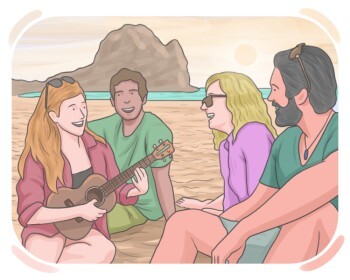
to socialize
to socialize
[動詞]

to interact and spend time with people

社交する, 付き合う

社交する, 付き合う

Ex: Introverts may find it challenging to socialize in large groups. 

内向的な人は大きなグループで社交するのが難しいと感じるかもしれません。

membership
membership
[名詞]

the state of belonging to a group, organization, etc.

会員資格,  所属

会員資格, 所属

Ex: They offer different levels of membership, including basic and premium, to cater to different needs and budgets. 

彼らは、さまざまなニーズと予算に対応するために、基本とプレミアムを含むさまざまなレベルのメンバーシップを提供しています。

associate
associate
[名詞]

a member of an organization with limited membership

準会員, アソシエイト

準会員, アソシエイト

Ex: She became an associate of the club after being nominated by a current member. 

彼女は現会員に推薦された後、クラブの準会員になりました。

to vote
to vote
[動詞]

to create, approve, or provide something through a formal decision made by voting

投票する, 投票によって承認する

投票する, 投票によって承認する

Ex: The council voted new funding for the library expansion. 

評議会は図書館拡張のための新しい資金を可決しました

to find out
to find out
[動詞]

to discover or become aware of a piece of information or a fact

発見する, 知る

発見する, 知る

Ex: The teacher found out that one of the students had cheated on the test. 

先生は、生徒の一人がテストでカンニングしたことを発見しました

to compete
to compete
[動詞]

to join in a contest or game

競う, 参加する

競う, 参加する

Ex: Every year, hundreds of athletes compete in the city marathon. 

毎年、何百人ものアスリートが都市マラソンで競います

theme
theme
[名詞]

the topic or idea that is being discussed

テーマ, 主題

テーマ, 主題

Ex: The documentary explored the theme of climate change. 

そのドキュメンタリーは気候変動のテーマを探求した。

to entitle
to entitle
[動詞]

to give a title to something, such as a book, movie, piece of art, etc.

題名をつける, タイトルを付ける

題名をつける, タイトルを付ける

Ex: The author decided to entitle her autobiography "Journey of Reflection." 

著者は自伝に『反省の旅』と題することを決めた。

domestic
domestic
[形容詞]

relating to or belonging to the home, household, or family life

家庭の, 家族の

家庭の, 家族の

Ex: She handled all the domestic chores with care. 

彼女はすべての家事を注意深く処理しました。

to relate to
to relate to
[動詞]

to be connected to or about a particular subject

関連する, 繋がりがある

関連する, 繋がりがある

Ex: The book's themes of love and loss relate to the complexities of human relationships. 

愛と喪失に関する本のテーマは、人間関係の複雑さに関連しています

feedback
feedback
[名詞]

information, criticism, or advice about a person's performance, a new product, etc. intended for improvement

フィードバック, コメント

フィードバック, コメント

Ex: She received positive feedback on her presentation. 

彼女はプレゼンテーションについて肯定的なフィードバックを受け取りました。

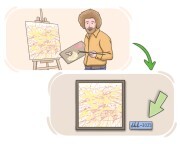
composition
composition
[名詞]

the artistic arrangement of people, objects, or elements in a painting or image

構図, 配置

構図, 配置

Ex: The painting's composition leads the viewer's eye toward the central figure. 

絵画の構図は、鑑賞者の視線を中心的な人物に向けさせます。

to criticize
to criticize
[動詞]

to judge something based on its positive or negative points

批評する

批評する

Ex: The teacher will criticize the students' essays based on grammar, structure, and clarity of ideas. 

教師は、文法、構成、アイデアの明確さに基づいて生徒のエッセイを批評する

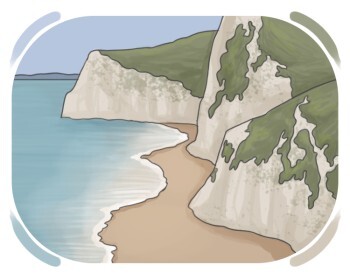
coast
coast
[名詞]

the land close to a sea, ocean, or lake

海岸, 沿岸

海岸, 沿岸

Ex: The coast was full of seashells and small pebbles. 

海岸は貝殻や小さな小石でいっぱいでした。

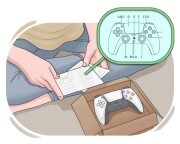
instruction
instruction
[名詞]

guidance on how to carry out a task or operate something

指示, 指令

指示, 指令

Ex: Following the cooking instructions precisely is key to achieving the perfect dish. 

料理の指示を正確に守ることが完璧な料理を実現する鍵です。

to capture
to capture
[動詞]

to manage to express a mood, quality, scene, etc. accurately in a piece of art

捉える, 表現する

捉える, 表現する

Ex: The painting beautifully captured the peacefulness of the countryside. 

その絵は田舎の平和を美しく捉えていた

shot
shot
[名詞]

an informal photograph; usually made with a small hand-held camera

写真, スナップ

写真, スナップ

timing
timing
[名詞]

the regulation of occurrence, pace, or coordination to achieve a desired effect (as in music, theater, athletics, mechanics)

タイミング, 時間調整

タイミング, 時間調整

basically
basically
[副詞]

in a simple or fundamental manner, without concern for less important details

基本的に, 根本的に

基本的に, 根本的に

Ex: In his speech, the professor essentially said that, basically, curiosity is the driving force behind scientific discovery. 
subject
subject
[名詞]

a person, object, or scene chosen as the focus for artistic or photographic representation

被写体, 主題

被写体, 主題

Ex: The painter chose a rural landscape as her subject. 

画家は田舎の風景を主題として選びました。

scene
scene
[名詞]

a painting, drawing or photograph of somewhere, depicting the objects and events in that place

シーン, 風景

シーン, 風景

Ex: The artist captured the bustling city scene with incredible detail. 

アーティストは信じられないほどの詳細で都会の賑やかなシーンを捉えた。

to suspect
to suspect
[動詞]

to think that something is probably true, especially something bad, without having proof

疑う, 不審に思う

疑う, 不審に思う

Ex: I suspect he's been lying about where he was last night. 

私は彼が昨夜どこにいたかについて嘘をついていると疑っている

keen
keen
[形容詞]

having a strong enthusiasm, desire, or excitement for something or someone

熱心な, 情熱的な

熱心な, 情熱的な

Ex: They were keen to explore the newly discovered hiking trail, excited by the adventure ahead. 

彼らは新しく発見されたハイキングコースを探索することに熱心で、待ち受ける冒険に興奮していました。
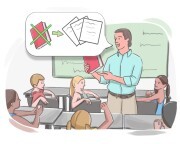
to outline
to outline
[動詞]

to give a brief description of something excluding the details

概要を説明する, 簡潔に述べる

概要を説明する, 簡潔に述べる

Ex: Before writing the essay, the student outlined the main ideas to organize the structure. 

エッセイを書く前に、学生は構造を整理するために主要なアイデアを概説しました。

delighted
delighted
[形容詞]

filled with great pleasure or joy

喜んで, 嬉しい

喜んで, 嬉しい

Ex: She clapped her hands, clearly delighted by the good news. 

彼女は手を叩き、明らかにその良い知らせに喜んでいました。

LanGeek
LanGeekアプリをダウンロード