동물 - 포유류의 해부학

여기에서는 "발", "엄니", "송곳니"와 같은 포유류의 해부학과 관련된 몇 가지 영어 단어를 배우게 됩니다.

review-disable

리뷰

flashcard-disable

플래시카드

spelling-disable

철자법

quiz-disable

퀴즈

학습 시작
동물
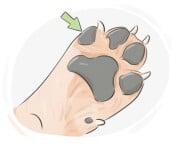
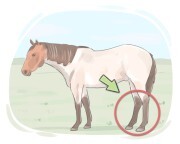
paw [명사]
اجرا کردن

Ex: With gentle strokes , the veterinarian examined the cat 's paw for any signs of injury or infection .

부드러운 손길로 수의사는 고양이의 을 다치거나 감염의 징후가 있는지 검사했습니다.

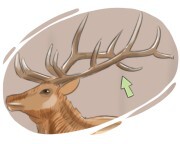
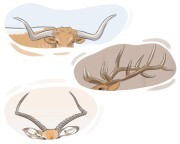
horn [명사]
اجرا کردن

Ex: The deer ’s horns shed every year and regrow larger each time .

사슴의 은 매년 빠지고 매번 더 크게 자랍니다.

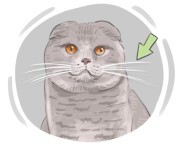
whisker [명사]
اجرا کردن

수염

Ex:

쥐는 좁은 공간을 통과할 때 수염을 사용합니다.

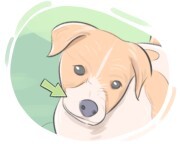
fang [명사]
اجرا کردن

송곳니

Ex: The crocodile 's fangs are powerful tools for gripping slippery fish .

악어의 송곳니는 미끄러운 물고기를 붙잡는 강력한 도구입니다.

jaw [명사]
اجرا کردن

the bony structure of a vertebrate's skull that frames the mouth and holds the teeth
Ex: jaws vary in size and shape .
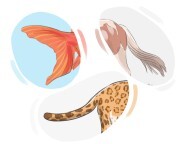
tail [명사]
اجرا کردن

꼬리

Ex: The kangaroo uses its tail for balance while hopping .

캥거루는 점프할 때 균형을 잡기 위해 꼬리를 사용합니다.

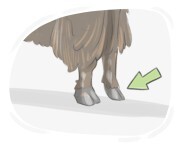
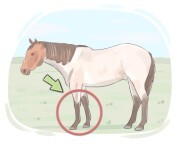
hoof [명사]
اجرا کردن

Ex:

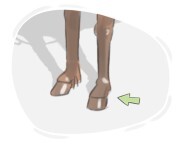
발굽 감염은 치료하지 않으면 동물에게 심한 통증을 유발할 수 있습니다.

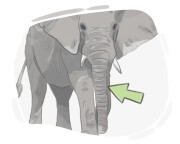
tusk [명사]
اجرا کردن

엄니

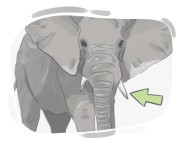
Ex: With a gentle nudge , the elephant used its tusks to help a fallen companion back onto its feet .

부드러운 밀침으로 코끼리는 엄니를 사용하여 넘어진 동료를 다시 일어서도록 도왔습니다.
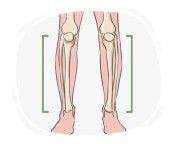
shank [명사]
اجرا کردن

정강이

Ex: The shank bone in a chicken leg contributes to its overall flavor when roasted .

닭 다리의 정강이 뼈는 구울 때 전체 맛에 기여합니다.

muzzle [명사]
اجرا کردن

주둥이

Ex: The wolf 's muzzle was stained with blood after a successful hunt .

성공적인 사냥 후 늑대의 주둥이에 피가 묻어 있었다.