인문학 SAT - 의견

여기에서는 'acquiesce', 'slant', 'repudiate' 등과 같은 의견과 관련된 몇 가지 영어 단어를 배우게 될 것입니다. 이 단어들은 SAT를 잘 보기 위해 필요할 것입니다.

review-disable

리뷰

flashcard-disable

플래시카드

spelling-disable

철자법

quiz-disable

퀴즈

학습 시작
인문학 SAT
perspective [명사]
اجرا کردن

시각

Ex: The artist 's paintings reflect his abstract perspective on nature and life .

그 화가의 그림은 자연과 삶에 대한 그의 추상적인 시각을 반영합니다.

viewpoint [명사]
اجرا کردن

관점

Ex: His viewpoint on the issue was shaped by his experiences growing up in a rural community , giving him a unique perspective .

그 문제에 대한 그의 관점은 시골 공동체에서 자라난 경험으로 형성되어 그에게 독특한 시각을 주었다.

conviction [명사]
اجرا کردن

신념

Ex: The artist expressed his convictions through powerful paintings that portrayed themes of equality and justice .

그 예술가는 평등과 정의의 주제를 묘사한 강력한 그림을 통해 그의 신념을 표현했습니다.
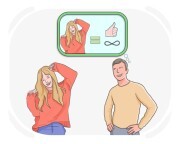
impression [명사]
اجرا کردن

인상

Ex: He had the impression that the meeting went well , despite the lack of feedback .
slant [명사]
اجرا کردن

경향

Ex: The documentary offered a refreshing slant on climate change .

그 다큐멘터리는 기후 변화에 대한 신선한 시각을 제공했다.

objection [명사]
اجرا کردن

반대

Ex: The committee considered all objections before making a final decision on the project proposal .

위원회는 프로젝트 제안에 대한 최종 결정을 내리기 전에 모든 이의를 고려했습니다.

discord [명사]
اجرا کردن

불화

Ex: The business partnership suffered from discord as the co-founders had conflicting visions for the company 's future .

공동 창립자들이 회사의 미래에 대해 상충하는 비전을 가지고 있었기 때문에 비즈니스 파트너십은 불화로 고통받았다.

morale [명사]
اجرا کردن

사기

Ex: Emily 's low morale following the failure of her project hindered her ability to focus and achieve her goals .

프로젝트 실패 후 에밀리의 낮은 사기는 그녀가 집중하고 목표를 달성하는 능력을 방해했습니다.

unanimity [명사]
اجرا کردن

만장일치

Ex: The committee reached unanimity on the new policy changes .

위원회는 새로운 정책 변경에 대해 만장일치에 도달했습니다.

consensus [명사]
اجرا کردن

합의

Ex: The political parties struggled to find consensus on the controversial immigration policy .

정당들은 논란이 되는 이민 정책에 대해 합의를 찾기 위해 고군분투했습니다.

اجرا کردن

징벌

Ex: Laws against chastisement have been implemented to protect children 's rights .

아동의 권리를 보호하기 위해 체벌에 대한 법률이 시행되었습니다.

distaste [명사]
اجرا کردن

혐오

Ex: Despite his distaste for politics , he felt compelled to vote in the election .

정치에 대한 그의 혐오감에도 불구하고, 그는 선거에서 투표해야 한다고 느꼈다.

detractor [명사]
اجرا کردن

비평가

Ex: Her innovative ideas were met with skepticism by detractors unwilling to embrace change .

그녀의 혁신적인 아이디어는 변화를 받아들이려 하지 않는 비판자들에 의해 회의적으로 받아들여졌다.

naysayer [명사]
اجرا کردن

반대자

Ex: Every new initiative in the company was met with resistance from the same naysayers .

회사의 모든 새로운 계획은 같은 부정론자들로부터 저항을 받았다.

antagonistic [형용사]
اجرا کردن

적대적인

Ex: The protestors were antagonistic to the proposed legislation , voicing their opposition loudly .

시위자들은 제안된 법안에 대해 적대적이었으며, 그들의 반대를 크게 표현했습니다.

discretion [명사]
اجرا کردن

재량

Ex: If you use your discretion wisely , you can avoid unnecessary conflicts .

재량을 현명하게 사용하면 불필요한 갈등을 피할 수 있습니다.

reception [명사]
اجرا کردن

수용

Ex: The new policy faced a cold reception from employees .

새 정책은 직원들로부터 차가운 반응을 받았다.

preferential [형용사]
اجرا کردن

우선적인

Ex: She received preferential seating at the event due to her VIP status .

그녀는 VIP 지위 때문에 행사에서 우선 좌석을 받았습니다.

unexceptionable [형용사]
اجرا کردن

흠잡을 데 없는

Ex: The proposal was unexceptionable , addressing all concerns and meeting all requirements .

그 제안은 모든 우려를 해결하고 모든 요구 사항을 충족하는 흠잡을 데 없는 것이었습니다.

impartial [형용사]
اجرا کردن

공정한

Ex: The judge ’s impartial ruling was based solely on the evidence presented in court .

판사의 공정한 판결은 법정에서 제시된 증거에만 근거했다.

unbiased [형용사]
اجرا کردن

편견 없는

Ex: In order to make an informed decision , it 's important to consider unbiased sources of information .

정보에 근거한 결정을 내리기 위해서는 편견 없는 정보 출처를 고려하는 것이 중요합니다.

averse [형용사]
اجرا کردن

꺼리는

Ex: He expressed that he was averse to traveling long distances for work .

그는 일을 위해 먼 거리를 여행하는 것을 averse하다고 표현했다.

disfavor [명사]
اجرا کردن

불호

Ex: The company 's unethical practices resulted in disfavor from customers .

회사의 비윤리적인 관행은 고객들의 불호를 초래했습니다.

to opt [동사]
اجرا کردن

선택하다

Ex: Instead of the usual coffee , he opted for a refreshing herbal tea in the afternoon .

평소 커피 대신, 그는 오후에 상쾌한 허브 차를 선택했다.

to despise [동사]
اجرا کردن

경멸하다

Ex: They despise liars and value honesty and integrity in all relationships .

그들은 거짓말쟁이를 경멸하며 모든 관계에서 정직과 성실을 소중히 여깁니다.

to fault [동사]
اجرا کردن

비난하다

Ex: It 's unfair to fault him for the project 's failure without understanding the challenges he faced .

그가 직면한 도전을 이해하지 못하고 프로젝트의 실패를 그의 잘못으로 돌리는 것은 불공평합니다.
to remark [동사]
اجرا کردن

언급하다

Ex: As they walked through the art gallery , visitors were free to remark on the paintings and sculptures they found most intriguing .

그들이 미술관을 걸어 다니면서, 방문자들은 그들이 가장 흥미롭게 여긴 그림과 조각에 대해 언급할 자유가 있었다.

to contend [동사]
اجرا کردن

주장하다

Ex: The historian contended that the ancient civilization was more advanced than previously believed .

그 역사학자는 고대 문명이 이전에 믿었던 것보다 더 발전했다고 주장했다.
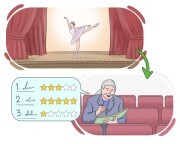
to critique [동사]
اجرا کردن

비평하다

Ex: Her work has been widely critiqued and analyzed by scholars in the field .

그녀의 작품은 해당 분야의 학자들에 의해 널리 비판되고 분석되었습니다.

to acclaim [동사]
اجرا کردن

칭찬하다

Ex: Fans acclaimed the actor 's performance in the film , recognizing their talent and skill .

팬들은 영화에서 배우의 연기를 칭찬하며 그의 재능과 기술을 인정했습니다.

to laud [동사]
اجرا کردن

칭찬하다

Ex: The professor lauded her student 's groundbreaking research on climate change .

교수는 기후 변화에 대한 그녀의 학생의 획기적인 연구를 칭찬했습니다.

to exalt [동사]
اجرا کردن

칭찬하다

Ex: Next week , the ceremony will exalt the outstanding achievements of local artists .

다음 주에 열리는 행사에서는 지역 예술가들의 뛰어난 업적을 칭송할 것입니다.

اجرا کردن

부인하다

Ex: The company repudiated the allegations of unethical business practices , stating that they were unfounded .

회사는 비윤리적인 비즈니스 관행에 대한 주장을 부인하며 근거가 없다고 말했다.
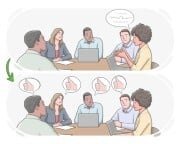
to concur [동사]
اجرا کردن

동의하다

Ex: After a thorough discussion , the team was able to concur on the strategy to address the challenges they were facing in the project .

철저한 논의 끝에, 팀은 프로젝트에서 직면한 도전 과제를 해결하기 위한 전략에 동의할 수 있었습니다.

اجرا کردن

마지못해 받아들이다

Ex: Despite her reservations , she decided to acquiesce to their demands in order to avoid conflict .

그녀의 우려에도 불구하고, 그녀는 갈등을 피하기 위해 그들의 요구에 동의하기로 결정했다.

to idolize [동사]
اجرا کردن

숭배하다

Ex: They idolized the band for years and have collected all their albums .

그들은 수년 동안 밴드를 숭배해 왔고 모든 앨범을 수집했습니다.

to conclude [동사]
اجرا کردن

결론을 내리다

Ex: After reviewing the historical data , historians concluded that the climate significantly influenced societal changes .

역사적 데이터를 검토한 후, 역사학자들은 기후가 사회적 변화에 큰 영향을 미쳤다고 결론지었다.