
pattern

Științe Umaniste SAT - Opinii

Aici vei învăța câteva cuvinte englezești legate de opinii, cum ar fi "acquiesce", "slant", "repudiate", etc., de care vei avea nevoie pentru a trece cu bine de SAT-urile tale.

Revizuire

Fișe de studiu

forme

Ortografie

Chestionar

Începe să înveți
SAT Vocabulary for Humanities
standpoint
standpoint
[substantiv]

an opinion or decision that is formed based on one's belief or circumstances

punct de vedere,  poziție

punct de vedere, poziție

Închide
Conectare
perspective
perspective
[substantiv]

a specific manner of considering something

punct de vedere, perspectivă

punct de vedere, perspectivă

Ex: She offered a unique perspective on the issue, based on her personal experiences. 
Închide
Conectare
viewpoint
viewpoint
[substantiv]

a certain way of thinking about a subject

punct de vedere, perspectivă

punct de vedere, perspectivă

Ex: The book provides multiple viewpoints on climate change, offering perspectives from scientists, activists, and policymakers. 
Închide
Conectare
conviction
conviction
[substantiv]

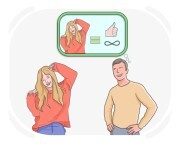
a firmly held belief or opinion

convingere,  credință
convingere, credință

Ex: Sarah has a strong conviction that education can change lives. 
Închide
Conectare
impression
impression
[substantiv]

an opinion or feeling that one has about someone or something, particularly one formed unconsciously

impresie

impresie

Ex: The cluttered office left a poor impression on the new employee. 
Închide
Conectare
slant
slant
[substantiv]

a biased or subjective angle in presenting information, often reflecting personal or ideological viewpoints

înclinare, orientare

înclinare, orientare

Ex: The article had a clear political slant. 

Articolul avea o clară înclinare politică.

Închide
Conectare
preconception
preconception
[substantiv]

a pre-established opinion that is formed before obtaining proper knowledge or experience

preconcepție, părere preconcepută

preconcepție, părere preconcepută

Închide
Conectare
objection
objection
[substantiv]

a reason, statement, or feeling expressing opposition, disagreement, or disapproval

obiecție,  opoziție

obiecție, opoziție

Ex: Emma raised an objection to the proposed changes. 
Închide
Conectare
discord
discord
[substantiv]

lack of agreement between people

discordie, dezacord

discordie, dezacord

Ex: The project team was plagued by discord as individual members had conflicting priorities and goals. 

Echipa de proiect a fost afectată de discordie, deoarece membrii individuali aveau priorități și obiective conflictuale.

Închide
Conectare
morale
morale
[substantiv]

one's personal level of confidence, enthusiasm, and emotional well-being, especially in the context of facing challenges or adversity

morală

morală

Ex: Despite facing setbacks, Sarah's high morale propelled her to persist in her endeavors with determination and optimism. 
Închide
Conectare
unanimity
unanimity
[substantiv]

a situation in which all those involved are in complete agreement on something

unanimitate, acord unanim

unanimitate, acord unanim

Ex: The unanimity of the jury surprised many, given the complexity of the case. 

Unanimitatea juriului a surprins mulți, având în vedere complexitatea cazului.

Închide
Conectare
consensus
consensus
[substantiv]

general agreement among the members of a group

consens

consens

Ex: After a long discussion, the committee finally reached a consensus. 
Închide
Conectare
chastisement
chastisement
[substantiv]

the act of inflicting physical punishment as a means of discipline or correction

pedeapsă, corecție

pedeapsă, corecție

Ex: The school's policy strictly prohibits any form of physical chastisement. 

Politica școlii interzice strict orice formă de pedeapsă corporală.

Închide
Conectare
distaste
distaste
[substantiv]

a feeling of dislike toward something or someone

dezgust, aversiune

dezgust, aversiune

Ex: His distaste for spicy food was evident in his grimace after tasting the dish. 

Dezgustul său față de mâncarea picantă a fost evident în grimasa lui după ce a gustat preparatul.

Închide
Conectare
detractor
detractor
[substantiv]

a person who criticizes or belittles the value or importance of someone or something

detractor, critic

detractor, critic

Ex: Despite the many detractors, the artist's work has been celebrated for its originality. 

În ciuda numeroșilor detractori, lucrarea artistului a fost celebrată pentru originalitatea sa.

Închide
Conectare
naysayer
naysayer
[substantiv]

a person who habitually expresses negative or pessimistic views, especially in opposition to new ideas or proposals

detractor, pesimist

detractor, pesimist

Ex: Despite the naysayers, she pursued her dream of becoming an entrepreneur and eventually succeeded. 

În ciuda pessimiștilor, ea și-a urmat visul de a deveni antreprenor și a reușit în cele din urmă.

Închide
Conectare
contrarian
contrarian
[substantiv]

someone who acts against popular opinion, particularly in investment markets

contrarian, disident

contrarian, disident

Închide
Conectare
dissenter
dissenter
[substantiv]

someone who disagrees with a common belief or an official decision

disident, contestatar

disident, contestatar

Închide
Conectare
antagonistic
antagonistic
[adjectiv]

actively opposing someone or something

antagonistic, ostil

antagonistic, ostil

Ex: The protestors were antagonistic to the proposed legislation, voicing their opposition loudly. 

Protestatarii au fost antagoniști față de legislația propusă, exprimându-și opoziția cu voce tare.

Închide
Conectare
discretion
discretion
[substantiv]

the freedom or authority to decide what should be done in a particular situation

discreție,  putere discreționară

discreție, putere discreționară

Ex: The judge has discretion to reduce the sentence. 
Închide
Conectare
reception
reception
[substantiv]

the way in which someone or something is received or reacted to

primire, recepție

primire, recepție

Ex: The new movie received a warm reception from audiences. 
Închide
Conectare
preferential
preferential
[adjectiv]

showing or giving advantage, favor, or priority to someone or something over others

preferențial, privilegiat

preferențial, privilegiat

Ex: Employees with longer service records received preferential treatment during the promotion process. 

Angajații cu vechime mai mare în serviciu au primit un tratament preferențial în timpul procesului de promovare.

Închide
Conectare
unexceptionable
unexceptionable
[adjectiv]

entirely satisfactory and acceptable, without any fault

impecabil, perfect

impecabil, perfect

Ex: The candidate's unexceptionable qualifications made her the ideal choice for the job. 

Calificările impecabile ale candidatei au făcut-o alegerea ideală pentru job.

Închide
Conectare
impartial
impartial
[adjectiv]

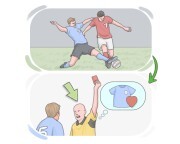
not favoring a particular party in a way that enables one to act or decide fairly

imparțial, neutru

imparțial, neutru

Ex: The mediator remained impartial throughout the negotiations to ensure a fair outcome. 

Mediatorul a rămas imparțial pe tot parcursul negocierilor pentru a asigura un rezultat corect.
Închide
Conectare
unbiased
unbiased
[adjectiv]

fair and not influenced by prejudice, favoritism, or personal opinions

imparțial,  obiectiv

imparțial, obiectiv

Ex: The committee asked for an unbiased assessment. 
Închide
Conectare
averse
averse
[adjectiv]

strongly opposed to something

reticent, opus

reticent, opus

Ex: He is averse to eating spicy foods and prefers mild dishes. 

El este reticent să mănânce mâncare picantă și preferă preparatele blânde.

Închide
Conectare
disfavor
disfavor
[substantiv]

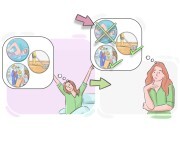
a feeling of not liking or rejecting someone or something

dezaprobare, nefavorizare

dezaprobare, nefavorizare

Ex: The new policy received widespread disfavor from employees. 

Noua politică a primit o dezaprobare largă de la angajați.
Închide
Conectare
to opt
to opt
[verb]

to choose one option or course of action from among alternatives

opta, alege

opta, alege

Ex: Emily opted for the cheaper hotel near the station. 
Închide
Conectare
to despise

to hate and have no respect for something or someone

disprețui, urî

disprețui, urî

Ex: She despises bullies and stands up for those who are being mistreated. 

Ea disprețuiește bătăușii și ia apărarea celor maltratați.

Închide
Conectare
to fault
to fault
[verb]

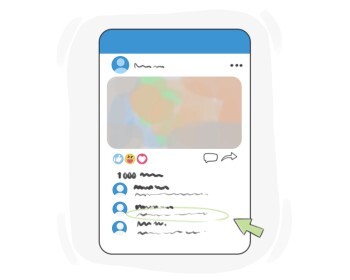
to put blame on someone or something for a mistake or problem

invinui, da vina
invinui, da vina

Ex: The supervisor will fault any deviation from the established procedures. 
Închide
Conectare
to remark
to remark
[verb]

to express one's opinion through a statement

remarca, comenta

remarca, comenta

Ex: During the presentation, the audience was encouraged to remark on the key points by writing down their thoughts. 
Închide
Conectare
to contend

to argue the truth of something

susține, afirma

susține, afirma

Ex: The lawyer contended that her client was innocent based on new evidence presented in court. 

Avocatul a susținut că clientul său este nevinovat pe baza noilor dovezi prezentate în instanță.
Închide
Conectare
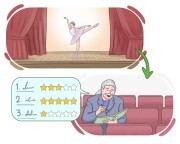
to critique

to carefully examine something in a detailed manner

a critica,  a analiza

a critica, a analiza

Ex: The editor is critiquing the manuscript, offering suggestions for revision and improvement. 

Editorul critică manuscrisul, oferind sugestii pentru revizuire și îmbunătățire.

Închide
Conectare
to acclaim

to praise someone or something enthusiastically and often publicly

aplauda, lăuda

aplauda, lăuda

Ex: Critics acclaim her novel as a masterpiece. 

Criticii aplaudă romanul ei ca o capodoperă.

Închide
Conectare
to laud
to laud
[verb]

to praise or express admiration for someone or something

lăuda, elogia

lăuda, elogia

Ex: Teachers should laud students for their achievements to boost their confidence. 

Profesorii ar trebui să laude elevii pentru realizările lor pentru a le spori încrederea.

Închide
Conectare
to exalt
to exalt
[verb]

to highly praise or honor someone or something

lăuda, glorifica

lăuda, glorifica

Ex: The teacher consistently exalted the achievements of her students. 

Profesoara a lăudat în mod constant realizările elevilor săi.

Închide
Conectare
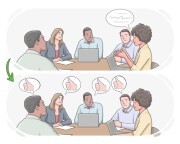
to repudiate

to dismiss or reject something as false

respinge, dezaproba

respinge, dezaproba

Ex: The company repudiated the claims that their products were unsafe, presenting evidence to the contrary. 

Compania a respins afirmațiile conform cărora produsele lor erau nesigure, prezentând dovezi contrarii.
Închide
Conectare
to concur
to concur
[verb]

to express agreement with a particular opinion, statement, action, etc.

a fi de acord, a concorda

a fi de acord, a concorda

Ex: It's reassuring when experts from various fields concur on such critical matters, providing a unified recommendation. 

Este liniștitor atunci când experți din diverse domenii sunt de acord asupra unor aspecte atât de critice, oferind o recomandare unitară.

Închide
Conectare
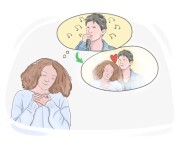
to acquiesce

to reluctantly accept something without protest

a accepta fără tragere de inimă, a se resemna

a accepta fără tragere de inimă, a se resemna

Ex: The student, unable to convince the teacher otherwise, acquiesced and accepted the lower grade on the assignment. 

Studentul, incapabil să-l convingă pe profesor de contrariu, a cedat și a acceptat nota mai mică la temă.
Închide
Conectare
to idolize

to admire someone excessively, often regarding it as an ideal or perfect figure

idolatrizare, venere

idolatrizare, venere

Ex: They idolized the band for years and have collected all their albums. 

Ei au idolatrizat trupa timp de ani și au colectat toate albumele lor.

Închide
Conectare
to conclude

to draw a logical inference or outcome based on established premises or evidence

concluziona,  deduce

concluziona, deduce

Ex: The evidence presented during the trial allowed the jury to conclude that the defendant was guilty beyond a reasonable doubt. 
Închide
Conectare
LanGeek
Descarcă aplicația LanGeek
