
Cambridge English: PET (B1 Preliminary) - Socjalizacja i Relacje
Naucz się słownictwa PET dotyczącego socjalizacji i relacji, w tym przyjaźni, rodziny, poznawania ludzi, komunikacji, aktywności społecznych i relacji międzyludzkich.
Przegląd
Fiszki
formy
Pisownia
Test


to spend much time in a specific place or with someone particular

spędzać czas, spędzać dużo czasu z kimś lub gdzieś
Często spędzają czas na plaży podczas lata.
to come together with someone, usually by prior arrangement or plan in order to spend time or do something together
spotkać się
Spotkam się z przyjacielem po filmie.
![to [make] friends with {sb}](/assets/img/no-pic-700w.png "to [make] friends with {sb}")
to build a positive relationship with a specific person, often by spending time together and getting to know each other
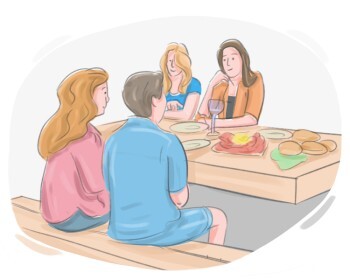
to come together as previously scheduled for social interaction or a prearranged purpose
spotkać się, zebrać się
to pass time in a particular manner or in a certain place
spędzać, przebywać
to become familiar with someone or something by spending time with them and learning about them
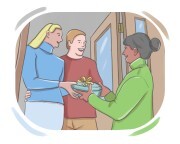
to visit a particular place or person
widzieć, odwiedzić

to say something funny or behave in a way that makes people laugh
żartować, dowcipkować

to intentionally say or write something that is not true
kłamać, mówić nieprawdę

the true principles or facts about something, in contrast to what is imagined or thought
prawda, rzeczywistość

to end a romantic relationship or marriage
rozstać się, rozwieść się
To była trudna decyzja, ale ostatecznie zgodzili się rozstać i pójść osobno.
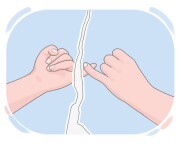
to no longer be friends with someone as a result of an argument
pokłócić się, zerwać przyjaźń
Różnice polityczne spowodowały, że sąsiedzi pokłócili się, co doprowadziło do napiętych relacji.
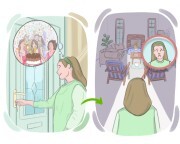
to make someone disappointed by not meeting their expectations
rozczarować kogoś nie spełniając oczekiwań, zawieść kogoś
Ten samochód nigdy mnie zawiódł, nawet w najtrudniejszych warunkach pogodowych.
to quickly develop a positive connection with someone
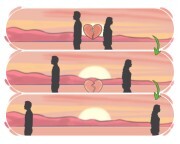
(of people and their relationship) to gradually become less close
oddalać się, stawać się obcym
Z biegiem czasu oddalili się od siebie i stracili kontakt.
to become friends with someone once more after ending a quarrel with them
pogodzić się, zawrzeć pokój
Mam nadzieję, że ty i twój brat wkrótce się pogodzicie.

to end a relationship, typically a romantic or sexual one
zerwać, zakończyć związek
Zdecydowali się zerwać po dwóch latach randkowania.
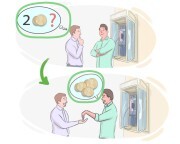
to seek guidance, help, or advice from someone
zwrócić się do, szukać pomocy u
W trudnych chwilach naturalne jest zwracanie się do przyjaciół o wsparcie.

to have a good, friendly, or smooth relationship with a person, group, or animal
dobrze się z kimś dogadywać, mieć dobre stosunki z osobą grupą lub zwierzęciem
Dogadywanie się z psem wymaga cierpliwości i zrozumienia jego zachowania.
to depend on someone or something for support and assistance
polegać na, zależeć od
W kryzysie ludzie często polegają na swoich instynktach, aby podejmować szybkie decyzje.
to have a good relationship with someone
dogadywać się z, mieć dobre relacje z
Ona uważa, że łatwo jest dogadywać się z nowymi ludźmi.
