
Basic Sciences - Reproduction
Study terms related to reproductive cells and organs, fertilization, gestation, embryonic development, and modes of reproduction.
Przegląd
Fiszki
Pisownia
Test

the biological process by which organisms produce new individuals, either sexually through gamete fusion or asexually by mechanisms such as budding, fission, or spore formation

rozmnażanie, reprodukcja
relating to processes and behaviors involved in the creation of offspring within a species
rozrodczy
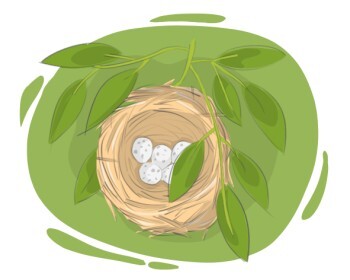
an oval or rounded object laid by birds, reptiles, fish, or certain invertebrates as part of their reproductive process
jajo, jajeczko
a mature, female reproductive cell or egg, typically larger than a sperm cell, capable of fusing with a sperm cell during fertilization to form a zygote
komórka jajowa, jajo
(of a female animal or human) to produce an ovum from the ovary
owulować
a fluid containing sperm and various secretions from the male reproductive organs, ejaculated during sexual intercourse for the purpose of fertilization
nasienie
the smallest and most motile cells in the male reproductive system responsible for fertilizing the female egg
plemnik
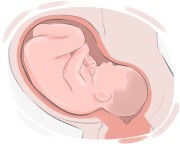
an offspring of a human or animal that is not born yet, particularly a human aged more than eight weeks after conception
płód, zarodek
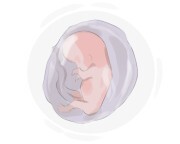
an unhatched or unborn offspring in the process of development, especially a human offspring roughly from the second to the eighth week after fertilization
zarodek, embrion
not having any sexual characteristics or reproductive organs
bezpłciowy, aseksualny
(of a flower) having both male and female reproductive organs
obupłciowy, obojnaczy
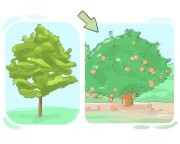
(of an animal, person, or plant) able to produce offspring, fruit, or seed
żyzny
to introduce male reproductive cells into the female reproductive system for reproduction
zapładniać, nawozić
a special cell used for reproduction, with sperm cells being the male gametes and egg cells being the female gametes
gameta, komórka rozrodcza
(biology) the cell formed when a sperm and egg join, which grows into a new organism
an animal or plant with parents that belong to different breeds or varieties
hybryda, krzyżówka
(biology) the period during which an embryo or fetus develops inside the mother's womb
an organ in the womb that supplies the baby with nutrients and oxygen during pregnancy
łożysko, popłód
(anatomy) the organ in the female body where the fetus is conceived and grown before being born
macica
a male reproductive organ responsible for the production of sperm and the secretion of testosterone
jądro, męski gruczoł płciowy
(biology) a sperm or egg cell that carries DNA from a parent to offspring
