
Książka Four Corners 4 - Jednostka 2 Lekcja A
Tutaj znajdziesz słownictwo z Unitu 2 Lekcji A w podręczniku Four Corners 4, takie jak "napisy", "fiszka", "zrozumienie" itp.
Przegląd
Fiszki
formy
Pisownia
Test
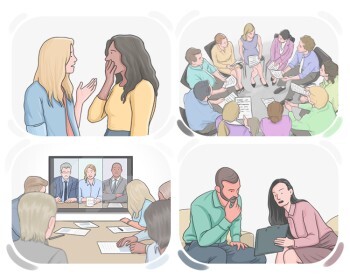
to exchange information, news, ideas, etc. with someone

komunikować się, wymieniać informacje
Oni komunikują swoje plany poprzez cotygodniowe spotkania.
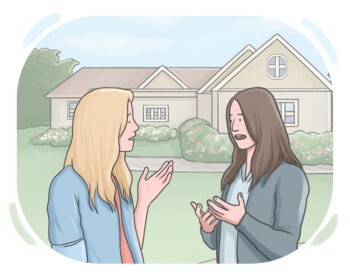
the process or activity of exchanging information or expressing feelings, thoughts, or ideas by speaking, writing, etc.
komunikacja, wymiana
Firma wierzy w otwartą i szczerą komunikację wśród swoich pracowników.

a helpful suggestion or a piece of advice
wskazówka, rada

getting the results you hoped for or wanted
udany, odnoszący sukcesy
Nasza szkoła ma udany program sportowy.
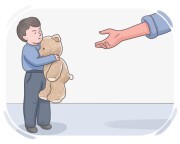
to have or continue to have something
zatrzymać, przechowywać
Czy potrzebujesz tego dokumentu z powrotem, czy mogę go zatrzymać dla moich rekordów?
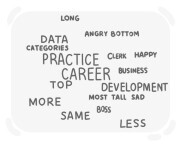
all the words used in a particular language or subject
słownictwo, leksykon
Nosi kieszonkowy słownik, aby codziennie poszerzać swoje słownictwo.
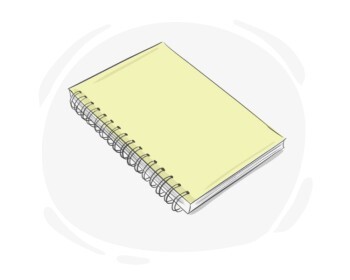
a small book with plain or ruled pages that we can write or draw in
zeszyt, notatnik
Wymieniają się notatkami z kolegami z klasy, pożyczając wzajemnie swoje zeszyty.
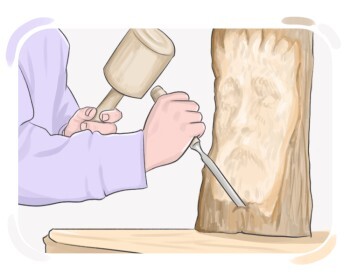
to form, produce, or prepare something, by putting parts together or by combining materials
robić, wytwarzać
Sukienka była wykonana z jedwabiu, ozdobiona misternym haftem.
a small card with words or pictures on it, which help students to learn or memorize things
fiszka, karta pamięciowa
Nauczyciel rozdał fiszki, aby pomóc uczniom w nauce tabliczki mnożenia.
to tell someone about the feelings or ideas that we have
mówić, rozmawiać
On porozmawiał ze swoim przyjacielem o swoim niedawnym rozstaniu.

someone who has learned a language as their first language, and not as a foreign language
rodzimy użytkownik języka, native speaker
Nauka chińskiego od rodowitego użytkownika języka dostarczyła cennych spostrzeżeń na temat kontekstu kulturowego.

to look at a thing or person and pay attention to it for some time
oglądać, obserwować
Usiadł na ławce w parku i oglądał zachód słońca.

a story told through a series of moving pictures with sound, usually watched via television or in a cinema
film, kino
Kupiliśmy popcorn i napoje gazowane, aby cieszyć się nimi podczas filmu.
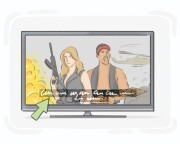
transcribed or translated words of the narrative or dialogues of a movie or TV show, appearing at the bottom of the screen to help deaf people or those who do not understand the language
napisy, podtytuł
Widzowie z wadami słuchu polegają na napisach, aby cieszyć się filmami i programami telewizyjnymi.
used when a person who is addressed is both the one who does an action and the one who receives the action
siebie, siebie
Upewnij się, że dbasz o siebie podczas podróży.
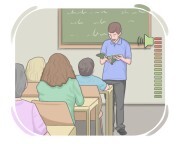
in way that is easily heard by everyone
na głos, głośno
Instrukcje były napisane na tablicy, ale nauczyciel przeczytał je również na głos dla jasności.
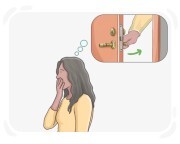
to bring a type of information from the past to our mind again
pamiętać, przypominać sobie
Czy możesz pamiętać nazwę książki, o której rozmawialiśmy?
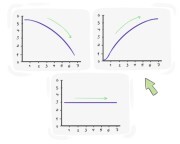
to become larger in amount or size
zwiększać się, wzrastać
Oczekuje się, że temperatura będzie wzrastać w ciągu dnia.
the quality of being able to speak or write very well and easily in a foreign language
płynność, biegłość
Aplikacja jest zaprojektowana, aby budować płynność poprzez interaktywne ćwiczenia.

to make a person or thing better
poprawiać, udoskonalać
Nowa aktualizacja oprogramowania ma na celu poprawę wydajności i doświadczenia użytkownika.
the capacity to understand something
zrozumienie, pojmowanie
Książka została napisana w sposób, który kwestionował zrozumienie przez czytelnika jej głębszego znaczenia.
an ability to do something well, especially after training
umiejętność, wprawa
Doskonaliła swoją umiejętność w fotografii poprzez lata oddanej praktyki.
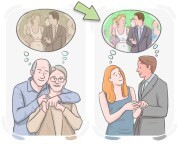
at or during a time that is not long ago
ostatnio, niedawno
On ostatnio podjął się nowego hobby.
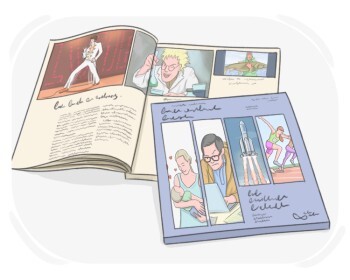
a colorful thin book that has news, pictures, and stories about different things like fashion, sports, and animals, usually issued weekly or monthly
czasopismo, magazyn
Magazyn zawiera wywiady z muzykami i recenzje nowych albumów.
a book that tells a story with a series of pictures and words, often featuring superheroes or adventure
komiks, książka komiksowa
Spędził godziny na czytaniu swojej ulubionej serii komiksów.
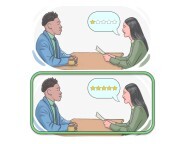
very good in quality or other traits
doskonały, znakomity
Hotel zapewnił doskonałą obsługę podczas naszego pobytu.
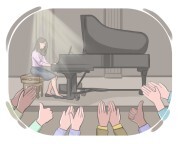
extremely amazing and great
fantastyczny, niesamowity
Mieli fantastyczny czas na wakacjach w Grecji.
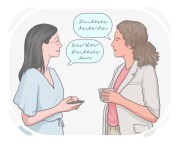
a talk that is between two or more people and they tell each other about different things like feelings, ideas, and thoughts
rozmowa, konwersacja
Rozmowa zeszła z polityki na sport.
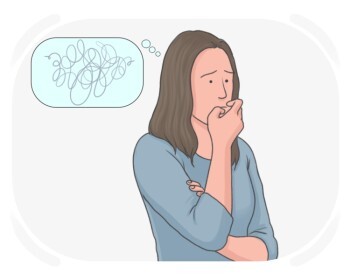
worried and anxious about something or slightly afraid of it
nerwowy, zaniepokojony
Bawiła się swoim długopisem, wyraźnie nerwowa z powodu nadchodzącego testu.

a flat surface made of glass that people can see themselves in
lustro, szkło
Powiesili lustro w pełnej wysokości na drzwiach szafy, aby sprawdzić swoje stroje.
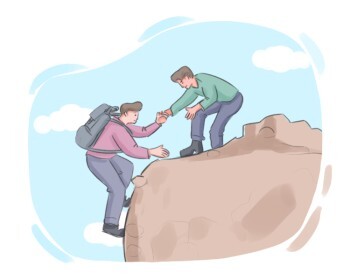
offering assistance or support, making tasks easier or problems more manageable for others
pomocny, użyteczny
Pomocne narzędzie zwiększyło wydajność, upraszczając zadania.
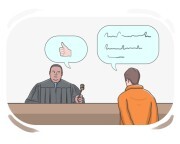
to accept something to be true even without proof
wierzyć, ufać
Uwierzyłem jej wymówkom za opuszczenie spotkania.

to be one's property
należeć, być własnością
Klucze znalezione na stole należą do domu sąsiada.
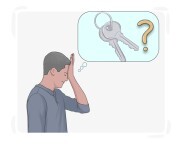
to not be able to remember something or someone from the past
zapominać, nie pamiętać
Próbował przypomnieć sobie swojego przyjaciela z dzieciństwa, ale zapomniał jej imienia.
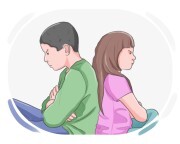
to really not like something or someone
nienawidzić, nie znosić
Oni nienawidzą przegrywać gier, ponieważ są konkurencyjni.

to want something to happen or be true
mieć nadzieję, żyć nadzieją
Zespół pilnie trenuje, mając nadzieję na wygranie mistrzostwa.
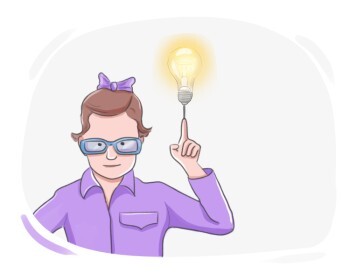
to have some information about something
wiedzieć, znać
Czy wiesz, gdzie jest najbliższa stacja benzynowa?
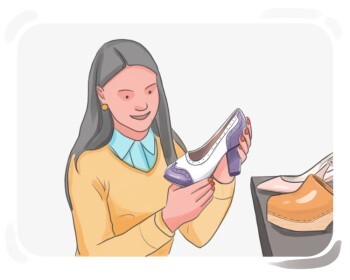
to feel that someone or something is good, enjoyable, or interesting
lubić, cieszyć się
Nie lubi uczucia bycia pogania.
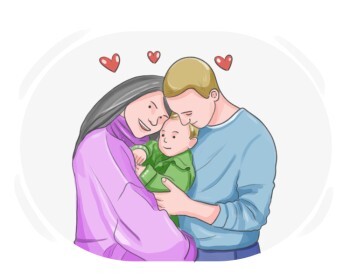
the very strong emotion we have for someone or something that is important to us and we like a lot and want to take care of
miłość
Miłość między rodzicem a dzieckiem jest często uważana za jedną z najsilniejszych więzi.
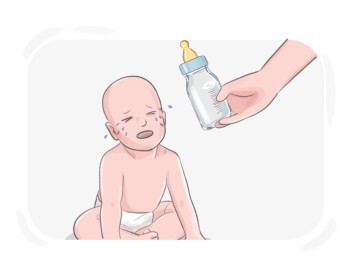
to want something or someone that we must have if we want to do or be something
potrzebować, wymagać
Czy potrzebujesz pomocy z twoim projektem?
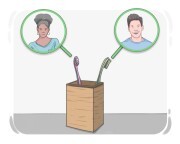
used for showing that someone or something belongs to or is connected with a particular person or thing
własny, osobisty
Każda roślina ma własną doniczkę w ogrodzie.
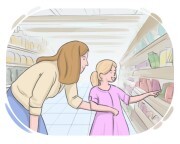
to wish to do or have something
chcieć, pragnąć
On chce iść na plażę.
