
Książka Insight - Średnio zaawansowany niższy - Jednostka 2 - 2C
Tutaj znajdziesz słownictwo z Unit 2 - 2C w podręczniku Insight Pre-Intermediate, takie jak "słuch", "smaczny", "wzdłuż", itp.
Przegląd
Fiszki
Pisownia
Test
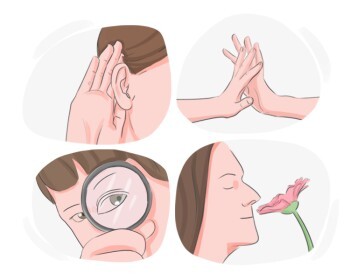
any of the five natural abilities of sight, hearing, smell, touch, and taste

zmysł, postrzeganie
Wzrok to zmysł, który pozwala nam widzieć świat wokół nas.
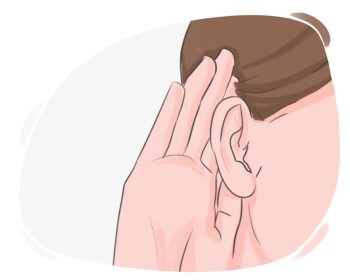
to notice the sound a person or thing is making
słyszeć, usłyszeć
Usłyszałem kroki za sobą i szybko się odwróciłem.
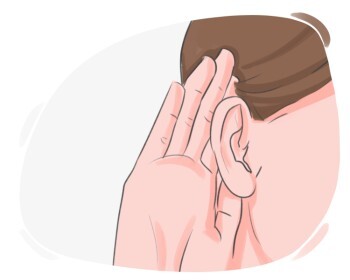
the ability to hear voices or sounds through the ears
słuch
Jego słuch został osłabiony z powodu wieloletniej ekspozycji na głośne dźwięki.
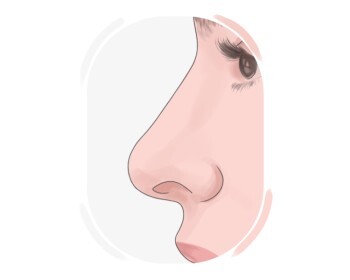
the body part that is in the middle of our face and we use to smell and breathe
nos, nozdrze
Skrzywiła nos na silny zapach.
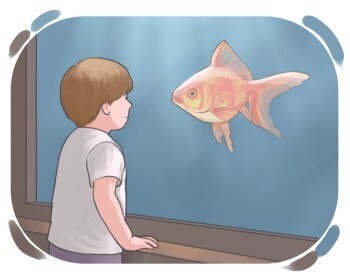
to notice a thing or person with our eyes
widzieć, zauważyć
Czy widziałeś właśnie tę spadającą gwiazdę?

the thin layer of tissue that covers the body of a person or an animal
skóra, naskórek
Lekarz zalecił noszenie kremu przeciwsłonecznego, aby chronić skórę przed szkodliwymi promieniami UV.

having a strong, unpleasant odor
śmierdzący, cuchnący
Piwnica była wilgotna i śmierdząca po ostatnich powodziach.

the ability to recognize something with good quality or high standard, especially in art, style, beauty, etc., based on personal preferences
smak

having a flavor that is pleasent to eat or drink
smaczny, pyszny
Jego sos barbecue dodał smacznego smaku grillowanemu kurczakowi.
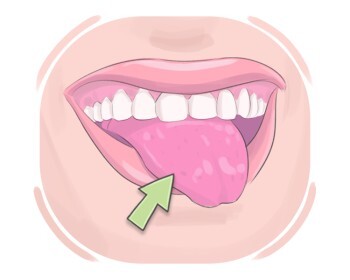
the soft movable part inside the mouth used for tasting something or speaking
język, narząd smaku
Piosenkarka wystawiła język w zabawowy sposób podczas koncertu.
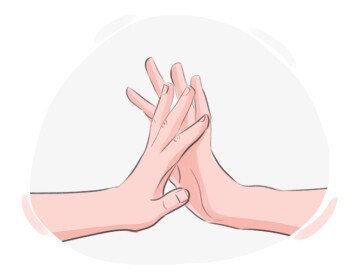
the ability to perceive textures or shapes through the hands
dotyk, zmysł dotyku
Dotyk miękkiego futra kocięcia przyniósł dziecku pocieszenie i radość.
an instance or act of seeing something through visual perception
widok, wzrok
Był zachwycony widokiem majestatycznego wodospadu.
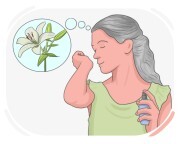
to release a particular scent
pachnieć, wydzielać
Powietrze pachniało solą i wodorostami, gdy szliśmy wzdłuż plaży.
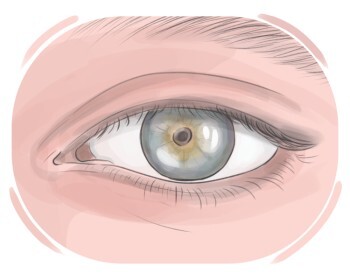
a body part on our face that we use for seeing
oko, oczy
Zamknął oczy i wziął głęboki oddech.
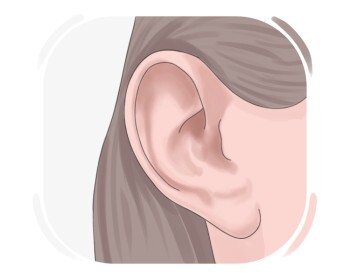
each of the two body parts that we use for hearing
ucho
Uspokajająca melodia grała cicho, tworząc przyjemne uczucie w jej uszach.
capable of seeing unlike a blind person
widzący, zdolny widzieć
Astronom zauważył rzadką kometę przez teleskop późną nocą.
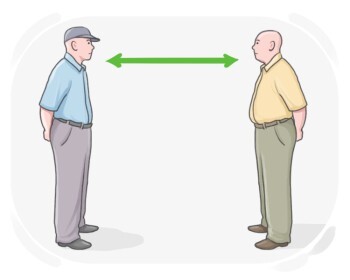
on the opposite side of a given area or location
po drugiej stronie, naprzeciwko
Półka na książki znajduje się po drugiej stronie korytarza od sypialni.
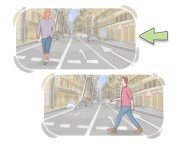
in the direction of a road, path, etc., indicating a forward movement
wzdłuż, naprzód
Pies biegł radośnie wzdłuż niego.

at a distance from someone, somewhere, or something
daleko, w oddali
Uciekli daleko, gdy rozległ się alarm.
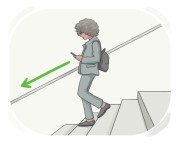
at or toward a lower level or position
w dół, na dole
Słońce powoli zaszło za góry.
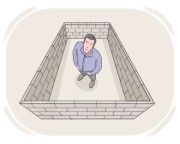
to the inner part or a position inside a place
do, w
Detektyw śledził podejrzanego w ciemną alejkę, zachowując bezpieczną odległość.
due to a particular feeling or state of mind
z, z powodu
Dała mu prezent z miłości i uczucia.
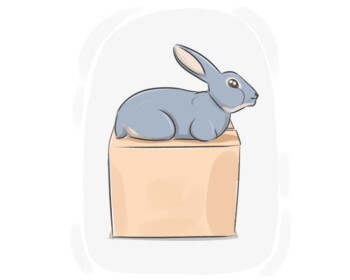
at a position above or higher than something
nad, powyżej
Dym unosił się nad płonącym budynkiem.
used to indicate movement in a direction beyond or to the other side of someone or something
obok, za
Przeszła obok domu i kontynuowała drogę ulicą.
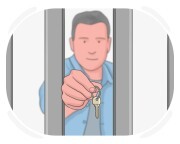
used to indicate movement into one side and out of the opposite side of something
przez, przez środek
Woda przepłynęła przez rurę i wylała się do zbiornika.
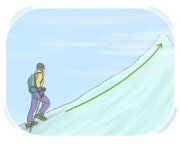
in the direction of a particular person or thing
w kierunku, ku
Pies pobiegł w stronę swojego właściciela, gdy ona zawołała jego imię.
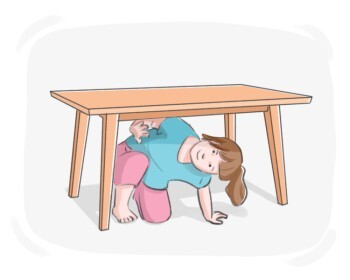
in or to a position lower than and directly beneath something
pod, pod spodem
Pies przeczołgał się pod płotem, aby uciec z podwórka.
