pattern

Książka Insight - Zaawansowany - Wgląd w Słownictwo 3

Tutaj znajdziesz słowa z Vocabulary Insight 3 w podręczniku Insight Advanced, takie jak "recover", "commercialize", "indicator" itp.

Przegląd

Fiszki

formy

Pisownia

Test

Zacznij naukę
Insight - Advanced
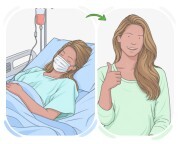
to recover
to recover
[Czasownik]

to regain complete health after a period of sickness or injury

wyzdrowieć, odzyskać zdrowie

wyzdrowieć, odzyskać zdrowie

Ex: After a week of rest, she started to recover from the flu. 
to relax
to relax
[Czasownik]

to feel less worried or stressed

relaksować się, odpoczywać
relaksować się, odpoczywać

Ex: After a long day at work, I like to relax with a good book. 
to deny
to deny
[Czasownik]

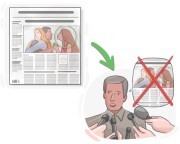
to refuse to admit the truth or existence of something

zaprzeczać, odrzucać

zaprzeczać, odrzucać

Ex: The accused continued to deny any involvement in the theft, despite the evidence. 
to gather
to gather
[Czasownik]

to bring people in one place for a specific purpose

zbierać, gromadzić

zbierać, gromadzić

Ex: The coordinator gathers volunteers to help with the community cleanup. 
lack
lack
[Rzeczownik]

the absence or insufficiency of something, often implying a deficiency or shortage

brak, niedobór

brak, niedobór

Ex: The lack of rainfall this year has affected crop production. 
to commercialize
to commercialize
[Czasownik]

to make something into a business or focus on making money from it

skomercjalizować, monetyzować

skomercjalizować, monetyzować

Ex: They successfully commercialized their research into a marketable product. 

Z powodzeniem skomercjalizowali swoje badania w produkt nadający się do sprzedaży.
to doom
to doom
[Czasownik]

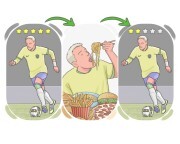
to intentionally cause something or someone to fail or experience a negative outcome by creating specific conditions

potępiać, skazywać na niepowodzenie

potępiać, skazywać na niepowodzenie

Ex: Repeated violations of policies are dooming the company's reputation. 

Powtarzające się naruszenia polityk skazują reputację firmy.

pipe dream
pipe dream
[Rzeczownik]

an impractical or impossible idea, plan, or wish

mrzonka, zamki na lodzie

mrzonka, zamki na lodzie

Ex: The plan sounds exciting, but without funding it's just a pipe dream. 

Plan brzmi ekscytująco, ale bez finansowania to tylko mrzonka.

foraging
foraging
[Rzeczownik]

the act of searching or gathering food, resources, or provisions in the natural environment, typically done by animals

żerowanie, poszukiwanie pożywienia

żerowanie, poszukiwanie pożywienia

Ex: Many herbivores depend on foraging to sustain themselves. 

Wiele roślinożerców polega na żerowaniu, aby się utrzymać.

self-sufficient
self-sufficient
[przymiotnik]

capable of providing everything that one needs, particularly food, without any help from others

samowystarczalny,  niezależny

samowystarczalny, niezależny

Ex: Moving to a rural area taught her how to be self-sufficient, from growing her own vegetables to fixing minor household repairs. 

Przeprowadzka na wieś nauczyła ją, jak być samowystarczalną, od uprawy własnych warzyw po naprawę drobnych usterek domowych.
to trap
to trap
[Czasownik]

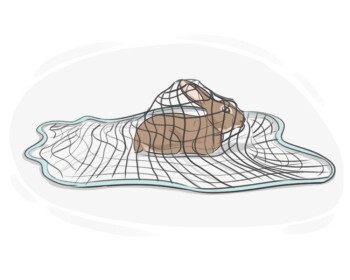
to capture an animal using an object called a trap

łapać w pułapkę, chwytać

łapać w pułapkę, chwytać

Ex: The pest control expert advised homeowners on how to trap mice using baited snap traps in their basements. 
ethos
ethos
[Rzeczownik]

the fundamental values and beliefs that influence and guide the behavior and attitudes of a person, group, or organization

etos, podstawowe wartości

etos, podstawowe wartości

Ex: The community’s ethos is built on mutual support and cooperation. 

Ethos społeczności opiera się na wzajemnym wsparciu i współpracy.

indicator
indicator
[Rzeczownik]

something, especially a measurement or value, that shows the condition, level, or trend of something

wskaźnik,  indykator
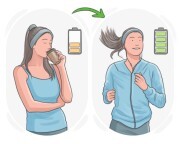
wskaźnik, indykator

Ex: Test scores are not always a reliable indicator of ability. 
to boost
to boost
[Czasownik]

to increase the amount, level, strength, or power of something

zwiększać, podnosić

zwiększać, podnosić

Ex: The new equipment has boosted production significantly. 
to launch
to launch
[Czasownik]

to start an organized activity or operation

uruchomić, rozpocząć

uruchomić, rozpocząć

Ex: He has launched several successful businesses in the past. 
to conduct
to conduct
[Czasownik]

to direct or participate in the management, organization, or execution of something

kierować, przeprowadzać

kierować, przeprowadzać

Ex: The experienced project manager will conduct the team in implementing the new software. 
to outstrip
to outstrip
[Czasownik]

to posses or reach a higher level of skill, success, value, or quantity than another person or thing

przewyższać, wyprzedzać

przewyższać, wyprzedzać

Ex: The demand for the new product outstripped supply, leading to shortages in stores. 

Popyt na nowy produkt przewyższył podaż, co doprowadziło do niedoborów w sklepach.

stable
stable
[przymiotnik]

firm and able to stay in the same position or state

stabilny, mocny

stabilny, mocny

Ex: The table is stable and doesn't wobble when you put weight on it. 
sharp
sharp
[przysłówek]

in a sudden or abrupt way, especially regarding changes in direction, angle, or intensity

ostro, nagle

ostro, nagle

Ex: The car turned sharp around the corner to avoid the obstacle. 
to dip
to dip
[Czasownik]

to move downward briefly or to a lower position

opadać,  zanurzać się

opadać, zanurzać się

Ex: The boat dipped slightly under Emma's weight. 
to soar
to soar
[Czasownik]

to increase rapidly to a high level

wzbić się, gwałtownie wzrosnąć

wzbić się, gwałtownie wzrosnąć

Ex: As the temperature soared, people flocked to the beach to cool off in the water. 

Gdy temperatura gwałtownie wzrosła, ludzie tłumnie udali się na plażę, aby ochłodzić się w wodzie.
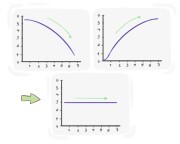
steady
steady
[przymiotnik]

not subject to significant change or decline

stabilny, stały

stabilny, stały

Ex: Attendance at the class remained steady. 
volatile
volatile
[przymiotnik]

prone to unexpected and sudden changes, usually gets worse or dangerous

niestabilny, nieprzewidywalny

niestabilny, nieprzewidywalny

Ex: Their relationship was volatile, with frequent arguments. 

Ich związek był niestabilny, z częstymi kłótniami.
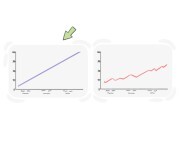
significant
significant
[przymiotnik]

important or great enough to be noticed or have an impact

ważny, znaczący

ważny, znaczący

Ex: The student's research findings were significant enough to be published in a prestigious journal. 

Odkrycia badawcze studenta były na tyle znaczące, że zostały opublikowane w prestiżowym czasopiśmie.

fluctuating
fluctuating
[przymiotnik]

changing frequently and unpredictably

wahający się, zmienny

wahający się, zmienny

Ex: The economy faced fluctuating inflation rates. 

Gospodarka stanęła w obliczu wahających się stóp inflacji.

moderate
moderate
[przymiotnik]

not extreme in opinions, beliefs, policies, or behavior

umiarkowany, powściągliwy
umiarkowany, powściągliwy

Ex: The committee proposed a moderate policy rather than a more sweeping change. 
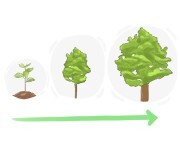
gradual
gradual
[przymiotnik]

occurring slowly and step-by-step over a long period of time

stopniowy, gradualny

stopniowy, gradualny

Ex: Learning a new language is a gradual process that takes time and practice. 
to escalate
to escalate
[Czasownik]

to become much worse or more intense

eskalować, pogarszać się

eskalować, pogarszać się

Ex: The disagreement between the two parties escalated into a full-blown dispute. 

Niezgodność między dwiema stronami przerodziła się w pełnowymiarowy spór.
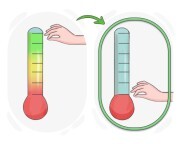
to plummet
to plummet
[Czasownik]

to decline in amount or value in a sudden and rapid way

gwałtownie spadać, załamywać się

gwałtownie spadać, załamywać się

Ex: After the product recall, sales of the affected items plummeted, impacting the company's revenue. 

Po wycofaniu produktu sprzedaż dotkniętych przedmiotów gwałtownie spadła, co wpłynęło na przychody firmy.

LanGeek
Pobierz aplikację LanGeek