pattern

Książka Insight - Zaawansowany - Wgląd w Słownictwo 1

Tutaj znajdziesz słowa z Vocabulary Insight 1 w podręczniku Insight Advanced, takie jak "alienacja", "ciąg dalszy", "personifikacja" itp.

Przegląd

Fiszki

formy

Pisownia

Test

Zacznij naukę
Insight - Advanced
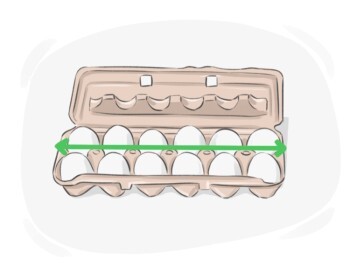
row
row
[Rzeczownik]

a group of people or objects placed in a line

rząd, szereg

rząd, szereg

Ex: The students sat in a row during the assembly, listening attentively to the guest speaker. 
to row
to row
[Czasownik]

to have a noisy argument

kłócić się

kłócić się

Ex: The coworkers were known to row occasionally, creating tension in the office with their heated disputes. 
refuse
refuse
[Rzeczownik]

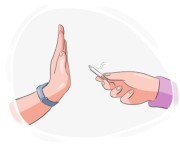
unwanted materials or items that have been discarded

odpady,  śmieci
odpady, śmieci

Ex: Burning refuse can release harmful substances into the air. 
to refuse
to refuse
[Czasownik]

to say or show one's unwillingness to do something that someone has asked

odmawiać, odrzucać

odmawiać, odrzucać

Ex: The student had to refuse the invitation to join the extracurricular club due to time constraints. 
lead
lead
[Rzeczownik]

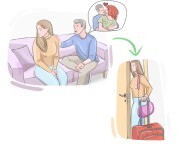
a role or position of guiding or influencing others by taking initiative or setting an example for others to follow

przewodnictwo, czołówka
przewodnictwo, czołówka

Ex: She took the lead in organizing the charity event. 
to lead
to lead
[Czasownik]

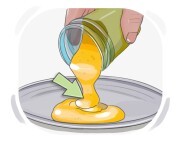
to be the cause of something

prowadzić do, doprowadzać do
prowadzić do, doprowadzać do

Ex: Lack of exercise can lead to weight gain. 
content
content
[Rzeczownik]

(usually plural) the things that are held, included, or contained within something

zawartość, zawartości

zawartość, zawartości

Ex: She emptied the contents of her bag onto the table. 
to content
to content
[Czasownik]

to feel satisfied or pleased with someone or something

zadowalać się, pogodzić się
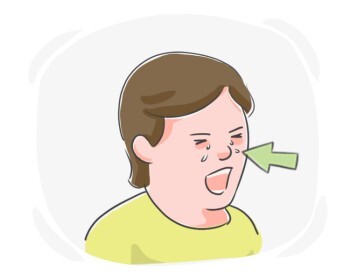
zadowalać się, pogodzić się

Ex: She contented herself with a small piece of cake. 
tear
tear
[Rzeczownik]

a drop of salty liquid produced by the eyes

łza, płacz

łza, płacz

Ex: A tear rolled down her cheek. 
to tear
to tear
[Czasownik]

to forcibly pull something apart into pieces

rozerwać, drzeć

rozerwać, drzeć

Ex: In excitement, they tore the gift wrap to see the contents. 
console
console
[Rzeczownik]

a piece of furniture designed to hold electronic instruments like radios or televisions

konsola, meble na sprzęt elektroniczny

konsola, meble na sprzęt elektroniczny

Ex: The console housed both the stereo system and a record player. 

Konsola mieściła zarówno system stereo, jak i gramofon.
to console
to console
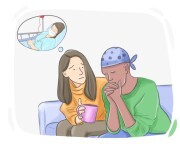
[Czasownik]

to help a person, who is either disappointed or emotionally suffering, feel better

pocieszać, uspokajać

pocieszać, uspokajać

Ex: A kind word can go a long way to console someone in distress. 

Dobre słowo może wiele zdziałać, aby pocieszyć kogoś w trudnej sytuacji.

to progress
to progress
[Czasownik]

to develop into a more advanced or improved stage

postępować, rozwijać się

postępować, rozwijać się

Ex: Over the years, technology has progressed, transforming bulky computers into sleek and powerful devices. 
object
object
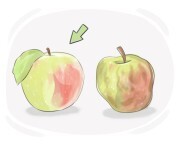
[Rzeczownik]

a non-living thing that one can touch or see

obiekt, przedmiot
obiekt, przedmiot

Ex: The sculpture in the museum is an ancient object made of marble. 
perfect
perfect
[przymiotnik]

completely without mistakes or flaws, reaching the best possible standard

doskonały, nienaganny

doskonały, nienaganny

Ex: He's the perfect candidate for the job with all his experience. 
to transfer
to transfer
[Czasownik]

to move someone or something from one place, position, or system to another

przenieść

przenieść

Ex: She transferred the photos from her phone to her computer. 
run-on
run-on
[Rzeczownik]

a continuation of a line of poetry to the next without a pause or punctuation at the end

enjambement, kontynuacja bez pauzy

enjambement, kontynuacja bez pauzy

Ex: Run-on lines can add a flowing, uninterrupted quality to a poem. 

Wiersze ciągłe mogą dodać wierszowi płynną, nieprzerwaną jakość.

unethical
unethical
[przymiotnik]

involving behaviors, actions, or decisions that are morally wrong

nieetyczny, niemoralny

nieetyczny, niemoralny

Ex: Unethical behavior in the workplace can lead to a toxic environment. 

Nieetyczne zachowanie w miejscu pracy może prowadzić do toksycznego środowiska.
to marginalize
to marginalize
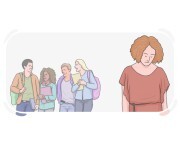
[Czasownik]

to treat a person, group, or concept as insignificant or of secondary or minor importance

marginalizować, spychać na margines

marginalizować, spychać na margines

Ex: The education system inadvertently marginalizes students from low-income backgrounds, limiting their access to resources and opportunities. 

System edukacji nieumyślnie marginalizuje uczniów z rodzin o niskich dochodach, ograniczając ich dostęp do zasobów i możliwości.

impersonation
impersonation
[Rzeczownik]

the act of pretending to be someone else, often with the intent to deceive or mislead others

imitacja, przywłaszczenie tożsamości

imitacja, przywłaszczenie tożsamości

Ex: Impersonation can be used in movies to create memorable characters. 

Odtwarzanie może być wykorzystane w filmach do tworzenia niezapomnianych postaci.

digitally
digitally
[przysłówek]

with the use of computers or electronic devices

cyfrowo, w sposób cyfrowy

cyfrowo, w sposób cyfrowy

Ex: The data was transferred digitally between devices using a secure connection. 

Dane zostały przesłane cyfrowo między urządzeniami przy użyciu bezpiecznego połączenia.
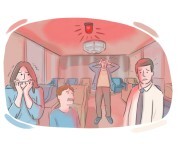
alarmingly
alarmingly
[przysłówek]

in a manner that causes sudden concern or fear

niepokojąco, alarmująco

niepokojąco, alarmująco

Ex: The engine began to rattle alarmingly just before takeoff. 

Silnik zaczął niepokojąco stukać tuż przed startem.

traditionally
traditionally
[przysłówek]

in accordance with methods, beliefs, or customs that have remained unchanged for a long period of time

tradycyjnie, zgodnie z tradycją

tradycyjnie, zgodnie z tradycją

Ex: The festival is traditionally held during the harvest season. 

Festiwal jest tradycyjnie organizowany w sezonie żniw.
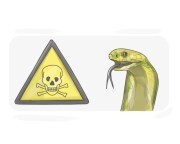
potentially
potentially
[przysłówek]

in a manner expressing the capability or likelihood of something happening or developing in the future

potencjalnie, prawdopodobnie

potencjalnie, prawdopodobnie

Ex: With regular exercise, he may potentially improve his overall health. 

Przy regularnych ćwiczeniach może potencjalnie poprawić swoje ogólne zdrowie.

victimization
victimization
[Rzeczownik]

the process or act of subjecting someone to harm, mistreatment, or abuse

wiktymizacja, prześladowanie
wiktymizacja, prześladowanie

temporarily
temporarily
[przysłówek]

for a limited period of time

tymczasowo, chwilowo

tymczasowo, chwilowo

Ex: The store is temporarily closed for maintenance. 

Sklep jest tymczasowo zamknięty z powodu konserwacji.

violation
violation
[Rzeczownik]

the act of breaking a legal code

naruszenie, przestępstwo

naruszenie, przestępstwo

psychologically
psychologically
[przysłówek]

in a way that is related to someone's mind or emotions

psychologicznie, z psychologicznego punktu widzenia

psychologicznie, z psychologicznego punktu widzenia

Ex: The stressors at work impacted him psychologically, affecting his overall mental health. 

Czynniki stresogenne w pracy wpłynęły na niego psychicznie, wpływając na jego ogólny stan zdrowia psychicznego.

financially
financially
[przysłówek]

in a way that is related to money or its management

finansowo, pod względem finansowym

finansowo, pod względem finansowym

Ex: Saving consistently helps individuals become financially stable. 

Regularne oszczędzanie pomaga osobom stać się finansowo stabilnymi.
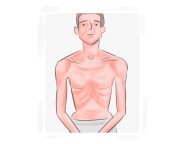
skin and bone

used to refer to someone who is extremely thin, often in an unattractive and unhealthy way

skóra i kości, chudy jak szkielet

skóra i kości, chudy jak szkielet

Ex: The rescued cat was skin and bone when we found it. 

Znaleziony kot był tylko skórą i kośćmi, gdy go znaleźliśmy.

to [go|be] hand in hand

(of two things) to be closely connected to one another, particularly in a way that one of them causes the occurrence of another

Ex: In a healthy relationship, trust and communication go hand in hand, strengthening the bond between partners. 
to [save] {one's} [skin|neck|hide|bacon]

to help a person get out of a situation that involves danger or difficulty

uratować komuś skórę, wyciągnąć kogoś z tarapatów

uratować komuś skórę, wyciągnąć kogoś z tarapatów

Ex: I owe you a lot; you really saved my hide today. 

Wiele ci zawdzięczam; dziś naprawdę uratowałeś mi skórę.

to [jump|leap] out of {one's} skin

to become extremely scared or surprised, causing a strong physical reaction

podskoczyć ze strachu, aż podskoczyć z przerażenia

podskoczyć ze strachu, aż podskoczyć z przerażenia

Ex: The sudden knock on the window made him leap out of his skin. 

Nagłe pukanie w okno sprawiło, że podskoczył ze strachu.

bone of contention

a subject over which people disagree

kość niezgody, przedmiot sporu

kość niezgody, przedmiot sporu

Ex: The new policy quickly became a bone of contention in the office. 

Nowa polityka szybko stała się kością niezgody w biurze.

close at hand

about to happen very soon

Ex: The deadline for the project is close at hand, so we need to hurry. 
to [make] no bones about {sth}

to not hesitate to do or say what one truly wants

nie owijać w bawełnę, powiedzieć wprost

nie owijać w bawełnę, powiedzieć wprost

Ex: They made no bones about their intention to sell the company. 

Nie ukrywali zamiaru sprzedaży firmy.

to transform
to transform
[Czasownik]

to change the form, appearance, character, or nature of someone or something significantly

przekształcać,  transformować
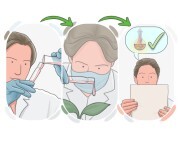
przekształcać, transformować

Ex: The new technology has transformed the way people communicate. 
to determine
to determine
[Czasownik]

to learn of and confirm the facts about something through calculation or research

określać, ustalać

określać, ustalać

Ex: Scientists regularly determine the chemical composition of substances in the laboratory. 
to shape
to shape
[Czasownik]

to give something a particular form

kształtować, nadawać formę

kształtować, nadawać formę

Ex: The carpenter used a saw to shape the wood into a curve. 
to revert
to revert
[Czasownik]

to go back to a previous state, condition, or behavior

wracać, cofać się

wracać, cofać się

Ex: The garden reverted to its wild state after years of neglect. 

Ogród powrócił do swojego dzikiego stanu po latach zaniedbania.
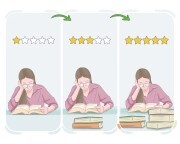
to enhance
to enhance
[Czasownik]

to better or increase someone or something's quality, strength, value, etc.

ulepszać, wzmacniać

ulepszać, wzmacniać

Ex: Adding new features can enhance the functionality of a software application. 
disaffection
disaffection
[Rzeczownik]

a sense of discontent, particularly towards a governing system

niezadowolenie, oderwanie

niezadowolenie, oderwanie

Ex: The disaffection that led to the protests was fueled by years of government corruption and economic instability. 

Niezadowolenie, które doprowadziło do protestów, było podsycane latami korupcji rządowej i niestabilności gospodarczej.

isolation
isolation
[Rzeczownik]

the act or process of separating a person, group, or thing from others

izolacja

izolacja

Ex: The isolation of the building from the power supply took several minutes. 
rapport
rapport
[Rzeczownik]

a close relationship in which there is a good understanding and communication between people

porozumienie

porozumienie

Ex: Through active listening and empathy, the therapist built a rapport with her patients, creating a safe space for them to explore their emotions and experiences. 
association
association
[Rzeczownik]

an organization of people who have a common purpose

stowarzyszenie, organizacja

stowarzyszenie, organizacja

Ex: The local book association hosts monthly meetings at the community center. 
belonging
belonging
[Rzeczownik]

the feeling of being happy or comfortable in a specific situation or group

przynależność, poczucie przynależności

przynależność, poczucie przynależności

Ex: Moving to a different country can challenge one's sense of belonging, but learning the language and customs can help integrate into the community. 

Przeprowadzka do innego kraju może rzucić wyzwanie poczuciu przynależności danej osoby, ale nauka języka i zwyczajów może pomóc w integracji ze społecznością.

alienation
alienation
[Rzeczownik]

‌the feeling that one is different from others and therefore not part of a particular group

alienacja, izolacja

alienacja, izolacja

Ex: Despite being surrounded by people, he often experienced alienation in the bustling city. 

Mimo że był otoczony ludźmi, często doświadczał alienacji w tętniącym życiem mieście.

repetition
repetition
[Rzeczownik]

the act of repeating a word or phrase in a passage as a rhetorical device

powtórzenie, repetycja

powtórzenie, repetycja

personification
personification
[Rzeczownik]

a literary device where human qualities or characteristics are attributed to non-human entities, objects, or ideas

uosobienie, wcielenie

uosobienie, wcielenie

Ex: She taught her students how personification enhances imagery in writing. 

Nauczyła swoich uczniów, jak personifikacja poprawia obrazowanie w pisaniu.

oxymoron
oxymoron
[Rzeczownik]

a figure of speech that combines two contradictory or contrasting terms to create a unique expression

oksymoron, zestawienie przeciwstawnych pojęć

oksymoron, zestawienie przeciwstawnych pojęć

Ex: Calling the situation a "calm chaos" is an oxymoron that vividly captures the sense of order within the disorder. 

Nazwanie sytuacji "spokojnym chaosem" to **oksymoron", który żywo oddaje poczucie porządku w chaosie.

rhetorical question

a question that is not meant to be answered, but is instead used to make a point or to create emphasis or effect

pytanie retoryczne, zagadnienie retoryczne

pytanie retoryczne, zagadnienie retoryczne

Ex: She used a rhetorical question to show that the answer was obvious. 

Użyła pytania retorycznego, aby pokazać, że odpowiedź była oczywista.

imagery
imagery
[Rzeczownik]

the figurative language in literature by which the audience can form vivid mental images

obrazowanie, język figuratywny

obrazowanie, język figuratywny

LanGeek
Pobierz aplikację LanGeek