pattern

Książka Total English - Początkujący - Jednostka 7 - Odniesienie

Tutaj znajdziesz słownictwo z Unitu 7 - Odniesienie w podręczniku Total English Starter, takie jak "puzzle", "taniec", "kolarstwo" itp.

Przegląd

Fiszki

formy

Pisownia

Test
Zacznij naukę
Total English - Starter
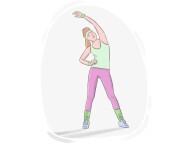
aerobics
aerobics
[Rzeczownik]

a type of exercise that is designed to make one's lungs and heart stronger, often performed with music

aerobik

aerobik

Ex: She added aerobics to her weekly exercise regimen to complement her strength training and improve aerobic capacity. 

Dodała aerobik do swojego cotygodniowego programu ćwiczeń, aby uzupełnić trening siłowy i poprawić wydolność tlenową.
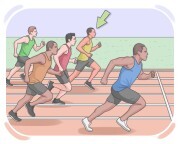
exercise
exercise
[Rzeczownik]

a mental or physical activity that helps keep our mind and body healthy

ćwiczenie, aktywność fizyczna
ćwiczenie, aktywność fizyczna

Ex: He avoids strenuous exercise due to his heart condition. 
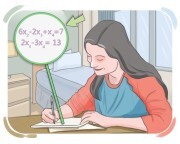
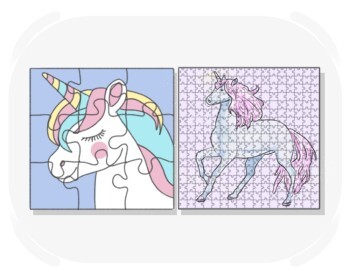
puzzle
puzzle
[Rzeczownik]

a game that needs a lot of thinking in order to be finished or done

zagadka, puzzle
zagadka, puzzle

Ex: Solving a crossword puzzle can be a fun way to test your vocabulary and problem-solving skills. 
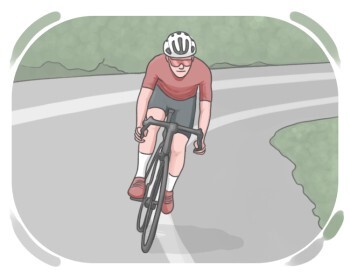
cycling
cycling
[Rzeczownik]

the sport or activity of riding a bicycle

kolarstwo, jazda na rowerze

kolarstwo, jazda na rowerze

Ex: He bought a new mountain bike for cycling on rugged trails and exploring nature. 

Kupił nowy rower górski do kolarstwa na wyboistych szlakach i odkrywania natury.
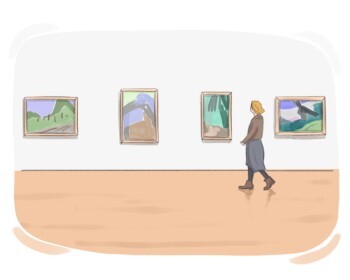
gallery
gallery
[Rzeczownik]

a place in which works of art are shown or sold to the public

galeria
galeria

Ex: The art gallery hosted an exhibition featuring local artists, showcasing their unique styles and perspectives. 
chess
chess
[Rzeczownik]

a strategic two-player board game where players move pieces with different abilities across a board with the objective of capturing the opponent's king

szachy

szachy

Ex: The world championship in chess is a highly prestigious event, attracting the best players from around the globe. 

Mistrzostwa świata w szachach to bardzo prestiżowe wydarzenie, przyciągające najlepszych graczy z całego świata.
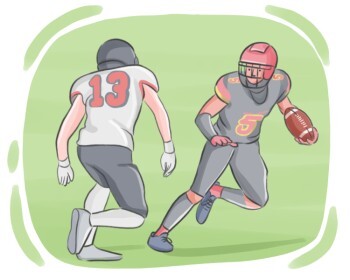
football
football
[Rzeczownik]

a sport, played by two teams of eleven players who try to score by carrying or kicking an oval ball into the other team's end zone or through their goalpost

piłka nożna, futbol amerykański
piłka nożna, futbol amerykański

Ex: Football games are a big part of our school spirit. 
tennis
tennis
[Rzeczownik]

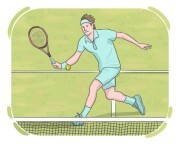
a sport in which two or four players use rackets to hit a ball back and forth over a net

a sport in which two or four players use rackets to hit a ball back and forth over a net
a sport in which two or four players use rackets to hit a ball back and forth over a net

Ex: Sarah practices tennis with her brother at the local club. 
to love
to love
[Czasownik]

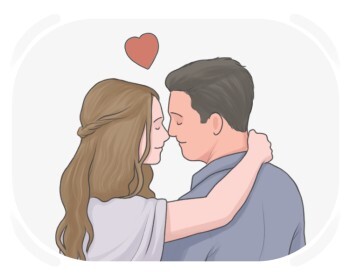
to have very strong feelings for someone or something that is important to us and we like a lot and want to take care of

kochać, uwielbiać
kochać, uwielbiać

Ex: He loves his dog, Max, and takes him for long walks every day. 
to like
to like
[Czasownik]

to feel that someone or something is good, enjoyable, or interesting

lubić, cieszyć się
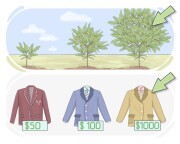
lubić, cieszyć się

Ex: He doesn't like the feeling of being rushed. 
quite
quite
[przysłówek]

to the highest degree

całkowicie, absolutnie

całkowicie, absolutnie

Ex: After a long day at work, she found the warm bath quite soothing. 

Po długim dniu w pracy uznała, że ciepła kąpiel jest bardzo relaksująca.
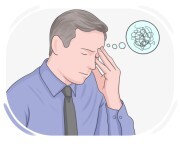
to mind
to mind
[Czasownik]

(often used in negative or question form) to be upset, offended, or bothered by something

przeszkadzać, mieć coś przeciwko
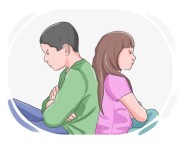
przeszkadzać, mieć coś przeciwko

Ex: I don't mind if you borrow my book, just please return it when you're done. 
to hate
to hate
[Czasownik]

to really not like something or someone

nienawidzić, nie znosić
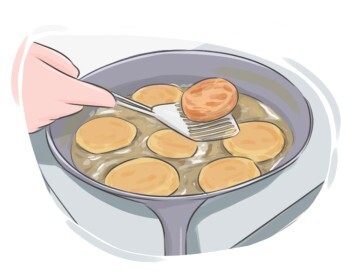
nienawidzić, nie znosić

Ex: Can you please stop making that noise?  I hate it. 
to cook
to cook
[Czasownik]

to make food with heat

gotować, przygotowywać jedzenie
gotować, przygotowywać jedzenie

Ex: I love to cook scrambled eggs with cheese for breakfast. 
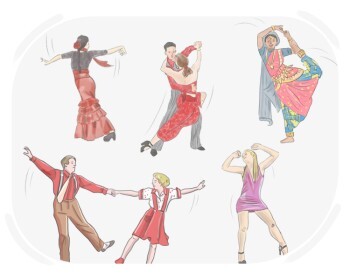
to dance
to dance
[Czasownik]

to move the body to music in a special way

tańczyć
tańczyć

Ex: They danced around the bonfire at the camping trip. 
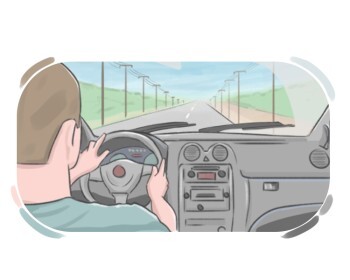
to drive
to drive
[Czasownik]

to control the movement and the speed of a car, bus, truck, etc. when it is moving

prowadzić
prowadzić

Ex: You should drive with both hands on the steering wheel. 
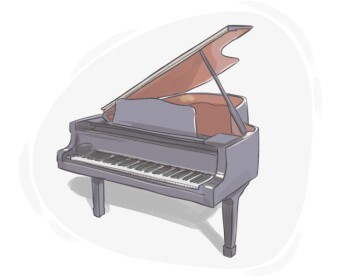
piano
piano
[Rzeczownik]

a large keyboard instrument in which pressing the keys causes hammers to strike strings

a large keyboard instrument in which pressing the keys causes hammers to strike strings
a large keyboard instrument in which pressing the keys causes hammers to strike strings

Ex: The school bought a new piano for the music room. 
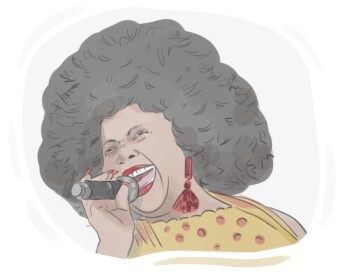
to sing
to sing
[Czasownik]

to use one's voice in order to produce musical sounds in the form of a tune or song

śpiewać

śpiewać

Ex: At the karaoke night, everyone got a chance to sing. 
to speak
to speak
[Czasownik]

to use one's voice to express a particular feeling or thought

mówić, wyrażać
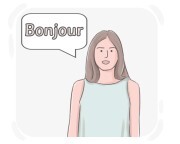
mówić, wyrażać

Ex: He spoke about his experiences during the meeting. 
French
French
[Rzeczownik]

the main language of France that is also spoken in parts of other countries such as Canada, Switzerland, Belgium, etc.

francuski, język francuski

francuski, język francuski

Ex: He decided to learn French to understand French films without subtitles. 
computer
computer
[Rzeczownik]

an electronic device that stores and processes data

komputer, komputator

komputer, komputator

Ex: He upgraded the computer's software for better performance. 
computer program
computer program
[Rzeczownik]

a set of instructions written in code that a computer follows to perform specific tasks or functions

program komputerowy, oprogramowanie

program komputerowy, oprogramowanie

Ex: A computer program is essential for automating repetitive tasks. 

Program komputerowy jest niezbędny do automatyzacji powtarzalnych zadań.
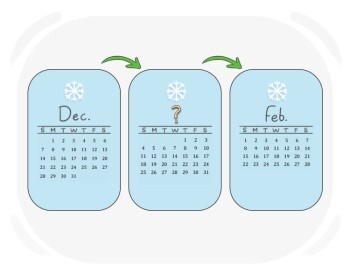
January
January
[Rzeczownik]

the first month of the year, after December and before February

styczeń
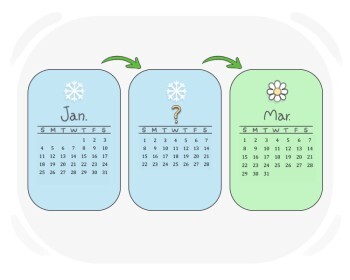
styczeń

Ex: In January, we celebrate the start of the new year with fireworks and joy. 
February
February
[Rzeczownik]

the second month of the year, after January and before March

luty
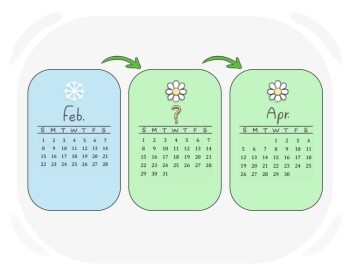
luty

Ex: During February, the days gradually start getting longer as we move closer to spring. 
March
March
[Rzeczownik]

the third month of the year, after February and before April

marzec
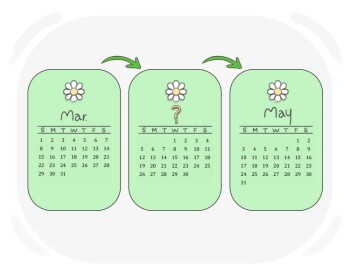
marzec

Ex: March is a month when the weather starts to get warmer. 
April
April
[Rzeczownik]

the fourth month of the year, after March and before May

kwiecień
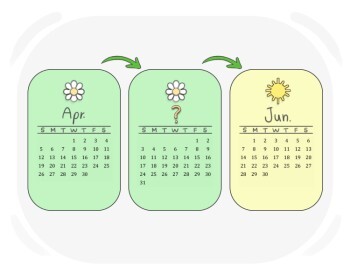
kwiecień

Ex: Earth Day is observed on April 22nd to promote environmental awareness. 
May
May
[Rzeczownik]

the fifth month of the year, after April and before June

maj
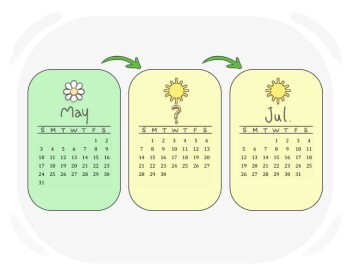
maj

Ex: May Day, celebrated on May 1st, is recognized in many countries as a public holiday, often marked by festivals, parades, and other festivities. 
June
June
[Rzeczownik]

the sixth month of the year, after May and before July

czerwiec
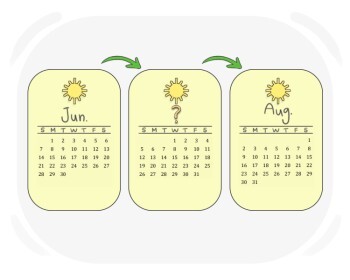
czerwiec

Ex: June is a month filled with outdoor activities like swimming, camping, and barbecues. 
July
July
[Rzeczownik]

the seventh month of the year, after June and before August

lipiec
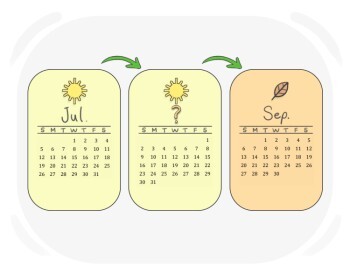
lipiec

Ex: Fireworks displays are common in many countries during the month of July. 
August
August
[Rzeczownik]

the eighth month of the year, after July and before September

sierpień
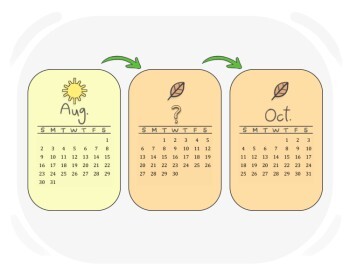
sierpień

Ex: August marks the end of summer and the beginning of autumn in some parts of the world. 
September
September
[Rzeczownik]

the ninth month of the year, after August and before October

wrzesień
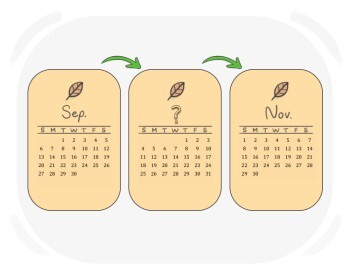
wrzesień

Ex: In September, the weather starts to cool down as autumn approaches. 
October
October
[Rzeczownik]

the tenth month of the year, after September and before November

październik
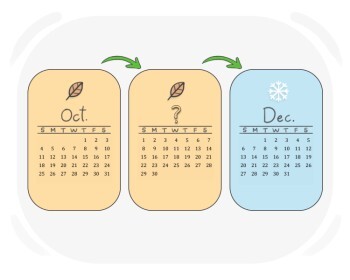
październik

Ex: Halloween is celebrated on the last day of October. 
November
November
[Rzeczownik]

the 11th month of the year, after October and before December

listopad
listopad

Ex: Many people enjoy watching the colorful leaves fall from the trees in November. 
December
December
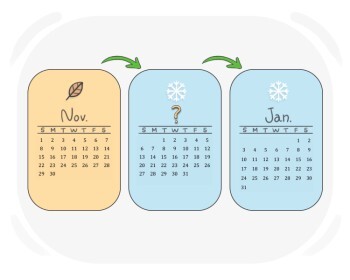
[Rzeczownik]

the 12th and last month of the year, after November and before January

grudzień
grudzień

Ex: December is the last month of the year. 
first
first
[przymiotnik]

(of a person) coming or acting before any other person

pierwszy

pierwszy

Ex: She was his first wife. 

Była jego pierwszą żoną.

second
second
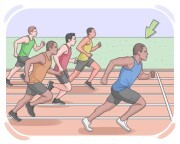
[przymiotnik]

being number two in order or time

drugi, wtórny
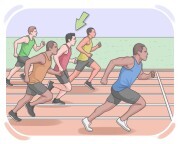
drugi, wtórny

Ex: This is his second attempt at solving the puzzle. 
third
third
[przymiotnik]

coming after the second in order or position

trzeci, trzecia

trzeci, trzecia

Ex: The third day of our trip was the most fun. 

Trzeci dzień naszej podróży był najzabawniejszy.
fourth
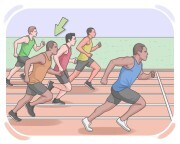
fourth
[przymiotnik]

coming or happening just after the third person or thing

czwarty, czwarte miejsce
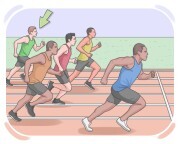
czwarty, czwarte miejsce

Ex: Sally finished in fourth place in the swimming competition. 
fifth
fifth
[przymiotnik]

coming or happening just after the fourth person or thing

piąty

piąty

Ex: The recipe calls for adding the spices in the fifth step. 

Przepis wymaga dodania przypraw w piątym kroku.

sixth
sixth
[przymiotnik]

coming or happening right after the fifth person or thing

szósty

szósty

Ex: Our favorite coffee shop is on the corner of Oak Street and Sixth Avenue. 

Nasza ulubiona kawiarnia znajduje się na rogu Oak Street i szóstej alei.
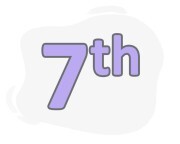
seventh
seventh
[przymiotnik]

coming or happening just after the sixth person or thing

siódmy

siódmy

Ex: The seventh floor of the library houses an extensive collection of historical documents. 

Siódme piętro biblioteki mieści obszerną kolekcję dokumentów historycznych.

eighth
eighth
[przymiotnik]

coming or happening right after the seventh person or thing

ósmy, ósmy

ósmy, ósmy

Ex: The scientist made a groundbreaking discovery during his eighth year of research. 

Naukowiec dokonał przełomowego odkrycia w swoim ósmym roku badań.

ninth
ninth
[przymiotnik]

coming or happening just after the eighth person or thing

dziewiąty

dziewiąty

Ex: Jackson proudly displayed his ninth-place ribbon from the science fair on the classroom bulletin board. 

Jackson z dumą wywiesił swoją wstążkę za dziewiąte miejsce z targów naukowych na tablicy ogłoszeń w klasie.

tenth
tenth
[przymiotnik]

coming or happening right after the ninth person or thing

dziesiąty, dziesiąta

dziesiąty, dziesiąta

Ex: Samantha proudly received the tenth-place medal in the national spelling bee, showcasing her linguistic prowess. 

Samantha z dumą otrzymała medal za dziesiąte miejsce w krajowym konkursie literowania, pokazując swoje lingwistyczne umiejętności.
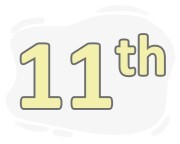
eleventh
eleventh
[określnik]

coming or happening right after the tenth person or thing

jedenasty

jedenasty

Ex: The eleventh hour is often used to describe a last-minute decision or action. 

Jedenasta godzina jest często używana do opisania decyzji lub działania w ostatniej chwili.
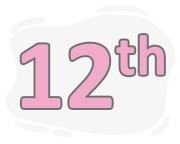
twelfth
twelfth
[przymiotnik]

coming or happening right after the eleventh person or thing

dwunasty, dwunasta osoba lub rzecz

dwunasty, dwunasta osoba lub rzecz

Ex: She received her twelfth award for excellence in teaching, highlighting her dedication to education. 

Otrzymała swoją dwunastą nagrodę za doskonałość w nauczaniu, podkreślając swoje zaangażowanie w edukację.
thirteenth
thirteenth
[określnik]

coming or happening right after the twelfth person or thing

trzynasty, trzynasta

trzynasty, trzynasta

Ex: He finished in thirteenth place at the marathon, setting a personal best time. 

Zajął trzynaste miejsce w maratonie, ustanawiając swój osobisty rekord.
fourteenth
fourteenth
[określnik]

coming or happening right after the thirteenth person or thing

czternasty, czternasta

czternasty, czternasta

Ex: His birthday falls on the fourteenth day of every month, making it easy to remember. 

Jego urodziny wypadają czternastego każdego miesiąca, co ułatwia zapamiętanie.

fifteenth
fifteenth
[określnik]

coming or happening right after the fourteenth person or thing

piętnasty, piętnasty

piętnasty, piętnasty

Ex: He placed fifteenth in the competition, improving his ranking from the previous year. 

Zajął piętnaste miejsce w zawodach, poprawiając swoją pozycję w porównaniu do poprzedniego roku.
sixteenth
sixteenth
[określnik]

coming or happening right after the fifteenth person or thing

szesnasty, szesnasta

szesnasty, szesnasta

Ex: The sixteenth of October marks the anniversary of an important historical event. 

Szesnasty października upamiętnia rocznicę ważnego wydarzenia historycznego.
seventeenth
seventeenth
[określnik]

coming or happening right after the sixteenth person or thing

siedemnasty, siedemnasta
siedemnasty, siedemnasta

Ex: The seventeenth of April is celebrated as World Haiku Day, honoring the traditional Japanese poetic form. 
eighteenth
eighteenth
[określnik]

coming immediately after the seventeenth in a sequence

osiemnasty

osiemnasty

Ex: This is the eighteenth time I've called customer service. 
nineteenth
nineteenth
[określnik]

coming or happening right after the eighteenth person or thing

dziewiętnasty, dziewiętnaste

dziewiętnasty, dziewiętnaste

Ex: The nineteenth of April is often celebrated as National High Five Day, encouraging people to share positive interactions. 
twentieth
twentieth
[przymiotnik]

coming or happening right after the nineteenth person or thing

dwudziesty

dwudziesty

Ex: He finished in twentieth place in the tournament, which was a great achievement for his first time competing. 

Zajął dwudzieste miejsce w turnieju, co było wielkim osiągnięciem dla jego pierwszego startu.
twenty-first
twenty-first
[przymiotnik]

coming or happening right after the twentieth person or thing

dwudziesty pierwszy

dwudziesty pierwszy

Ex: The twenty-first century has brought about rapid advancements in technology and communication. 

Dwudziesty pierwszy wiek przyniósł szybki postęp w technologii i komunikacji.

LanGeek
Pobierz aplikację LanGeek