
Cartea Total English - Începător - Unitatea 7 - Referință
Aici veți găsi vocabularul din Unitatea 7 - Referință în manualul Total English Starter, cum ar fi "puzzle", "dans", "ciclism" etc.
Revizuire
Fișe de studiu
forme
Ortografie
Chestionar
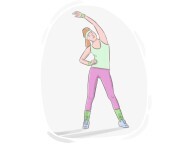
a type of exercise that is designed to make one's lungs and heart stronger, often performed with music

aerobica
Instructorul a condus o sesiune de aerobic de mare energie, inclusiv jumping jacks și exerciții de step.
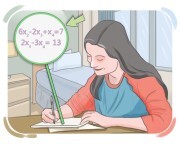
a mental or physical activity that helps keep our mind and body healthy
exercițiu, activitate fizică
El evită exercițiul solicitant din cauza stării sale cardiace.
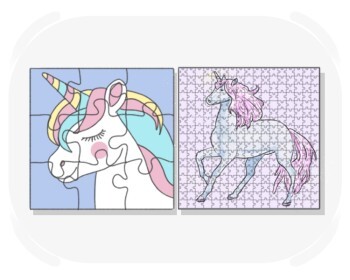
a game that needs a lot of thinking in order to be finished or done
puzzle, ghicitoare
Rezolvarea unui cuvinte încrucișate poate fi o modalitate distractivă de a-ți testa vocabularul și abilitățile de rezolvare a problemelor.
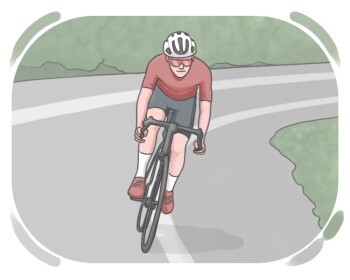
the sport or activity of riding a bicycle
ciclism, mersul cu bicicleta
Ea se bucură să facă cycling prin parc în fiecare dimineață pentru a rămâne în formă și a-și limpezi mintea.
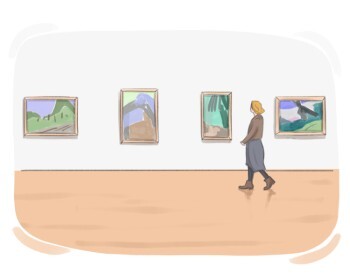
a place in which works of art are shown or sold to the public
galerie
Galeria de artă a găzduit o expoziție prezentând artiști locali, arătând stilurile și perspectivele lor unice.
a strategic two-player board game where players move pieces with different abilities across a board with the objective of capturing the opponent's king
șah
Șahul necesită gândire strategică și planificarea cu mai multe mișcări înainte pentru a-ți depăși adversarul.
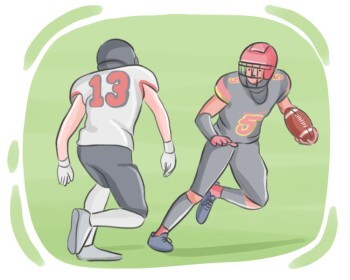
a sport, played by two teams of eleven players who try to score by carrying or kicking an oval ball into the other team's end zone or through their goalpost
fotbal, fotbal american
Meciurile de fotbal sunt o parte importantă a spiritului nostru școlar.
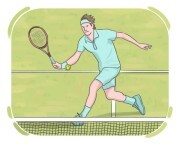
a sport in which two or four players use rackets to hit a small ball backward and forward over a net
tenis
Visă să devină un jucător profesionist de tenis într-o zi.
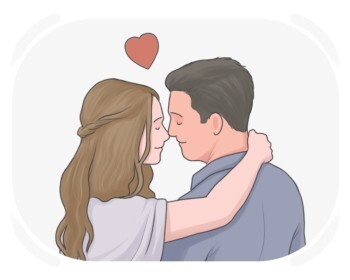
to have very strong feelings for someone or something that is important to us and we like a lot and want to take care of
iubi, adora
El iubește profund bunici săi și îi vizitează des.
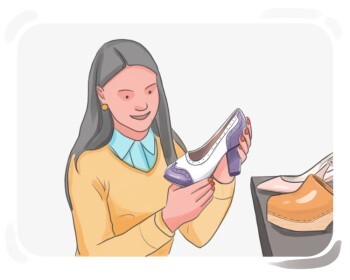
to feel that someone or something is good, enjoyable, or interesting
a-i plăcea, a se bucura de
În ciuda a tot ce am făcut pentru el, nu cred că mă place.
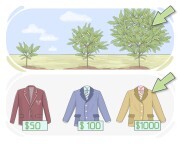
to the highest degree
complet, absolut
Noul nostru vecin are un câine care este foarte prietenos.
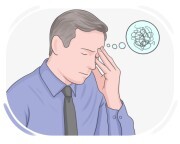
(often used in negative or question form) to be upset, offended, or bothered by something
deranja, supăra
Lui îl deranja zgomotul lucrărilor de construcții de alături, pentru că îi perturba concentrarea.
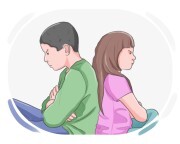
to really not like something or someone
urî, detesta
Puteți, vă rog, să încetați să faceți acel zgomot? Îl urăsc.
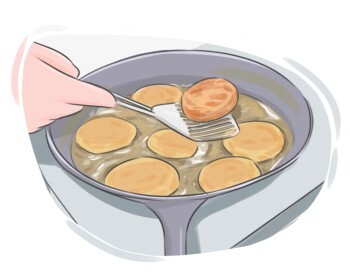
to make food with heat
a găti, a prepara mâncare
Ador să gătesc ouă jumări cu brânză la micul dejun.
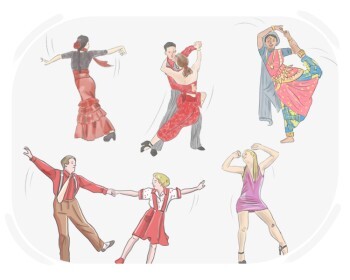
to move the body to music in a special way
dansa
Îi place să danseze pe melodiile ei preferate.
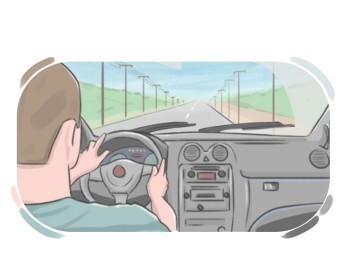
to control the movement and the speed of a car, bus, truck, etc. when it is moving
conduce
De obicei conduc la școală, dar astăzi iau autobuzul.
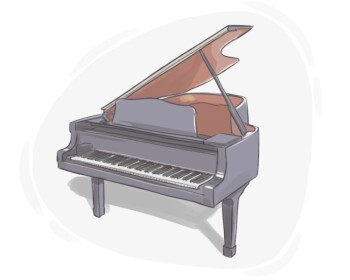
a musical instrument we play by pressing the black and white keys on the keyboard
pian
Am învățat să citesc partituri pentru a cânta la pian.
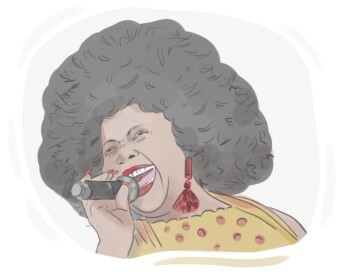
to use one's voice in order to produce musical sounds in the form of a tune or song
cânta
La petrecerea de karaoke, toată lumea a avut ocazia să cânte.

to use one's voice to express a particular feeling or thought
vorbi, exprima
Vă rugăm să vorbiți mai tare, astfel încât toată lumea din cameră să vă poată auzi.
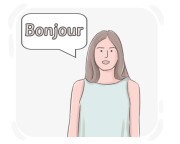
the main language of France that is also spoken in parts of other countries such as Canada, Switzerland, Belgium, etc.
franceză, limba franceză
Vorbește fluent franceză pentru că a trăit în Paris timp de trei ani.

an electronic device that stores and processes data
computer, calculator
Folosesc computerul meu pentru a naviga pe internet și a verifica e-mailurile.

a set of instructions written in code that a computer follows to perform specific tasks or functions
program de calculator, software
El a dezvoltat un program de calculator pentru a analiza seturi mari de date.
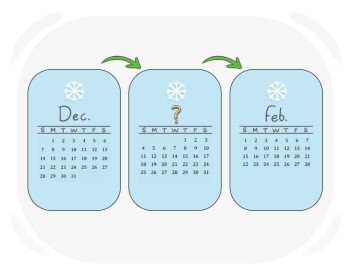
the first month of the year, after December and before February
ianuarie
În ianuarie, sărbătorim începutul noului an cu artificii și bucurie.
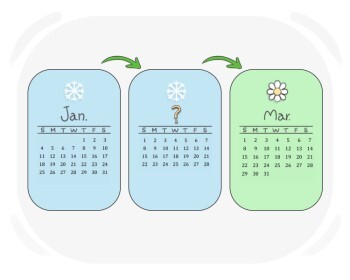
the second month of the year, after January and before March
februarie
În februarie, zilele încep treptat să se lungescă pe măsură ce ne apropiem de primăvară.
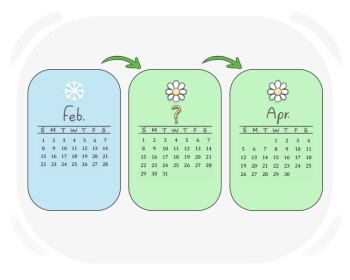
the third month of the year, after February and before April
martie
Martie este luna care marchează începutul orei de vară în unele țări.
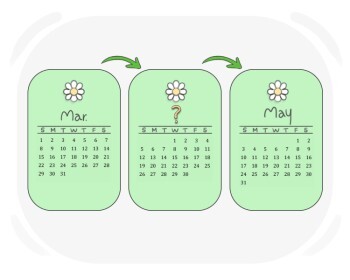
the fourth month of the year, after March and before May
aprilie
Vremea în aprilie poate fi imprevizibilă, cu ploaie și soare.
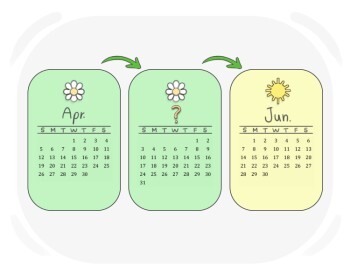
the fifth month of the year, after April and before June
mai
Multe flori înfloresc în mai, cum ar fi lalelele și margaretele.
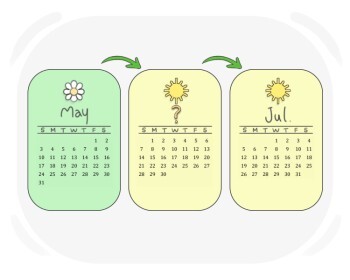
the sixth month of the year, after May and before July
iunie
Mulți studenți așteaptă cu nerăbdare iunie pentru că marchează începutul vacanței de vară.
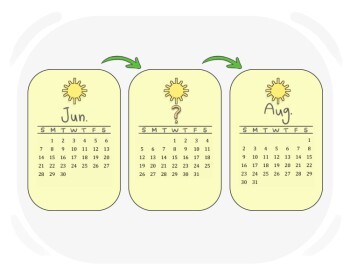
the seventh month of the year, after June and before August
iulie
Spectacolele de artificii sunt comune în multe țări în luna iulie.
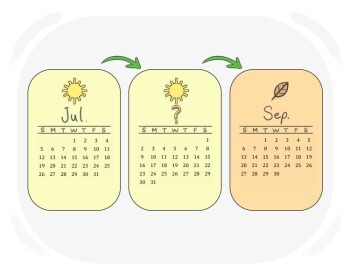
the eighth month of the year, after July and before September
august
August marchează sfârșitul verii și începutul toamnei în unele părți ale lumii.
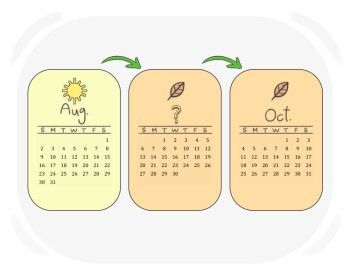
the ninth month of the year, after August and before October
septembrie
În septembrie, vremea începe să se răcească odată cu apropierea toamnei.
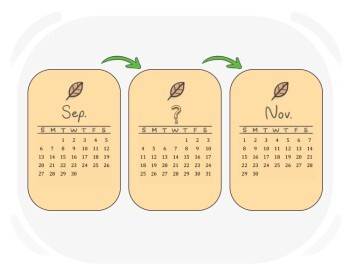
the tenth month of the year, after September and before November
octombrie
Halloween se sărbătorește în ultima zi din octombrie.
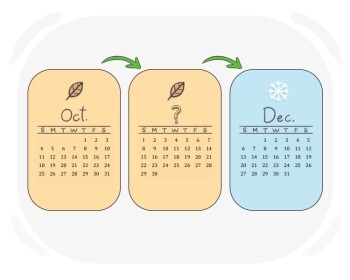
the 11th month of the year, after October and before December
noiembrie
Mulți oameni se bucură să privească frunzele colorate căzând de pe copaci în noiembrie.
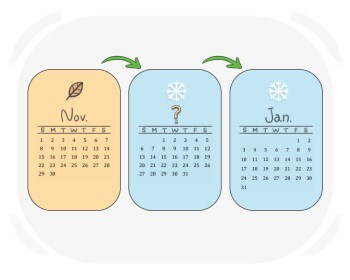
the 12th and last month of the year, after November and before January
decembrie
Decembrie este ultima lună a anului.
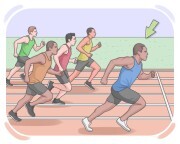
(of a person) coming or acting before any other person
primul
El a fost primul om care a urcat muntele.
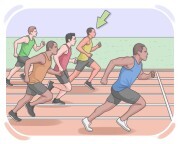
being number two in order or time
al doilea, secundar
Al doilea capitol al cărții explică teoria.
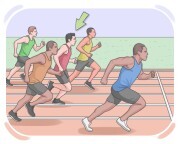
coming after the second in order or position
al treilea, a treia
El era a treia persoană în linie pentru concert.
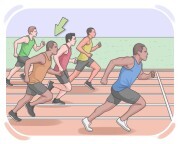
coming or happening just after the third person or thing
patrulea, locul patru
Sally a terminat pe locul patru în competiția de înot.
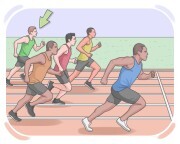
coming or happening just after the fourth person or thing
al cincilea
Emily și-a sărbătorit a cincea aniversare cu o petrecere colorată.

coming or happening right after the fifth person or thing
șaselea
Studenții erau încântați să absolve și să primească diplomele pe șase iunie.
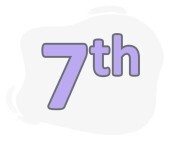
coming or happening just after the sixth person or thing
șaptelea
Jake a câștigat medalia de aur la cursa de o sută de metri la întâlnirea sportivă a clasei a șaptea a școlii.

coming or happening right after the seventh person or thing
optulea, optulea
Sarah a primit cu mândrie premiul pentru a fi a opta studentă care a finalizat puzzle-ul matematic provocator.

coming or happening just after the eighth person or thing
nouălea
Amanda a terminat pe locul nouă la maraton, o realizare remarcabilă pentru prima ei cursă.

coming or happening right after the ninth person or thing
zecelea, zecea
Echipa a sărbătorit a zecea victorie consecutivă cu o petrecere veselă în vestiar.
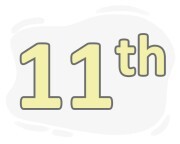
coming or happening right after the tenth person or thing
unsprezecelea
Ziua ei de naștere este pe unsprezece mai, și ea plănuiește să aibă o mare sărbătoare anul acesta.
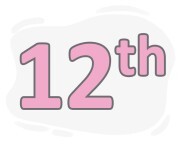
coming or happening right after the eleventh person or thing
al doisprezecelea, a doisprezecea persoană sau lucru
A douăsprezecea zi de Crăciun este sărbătorită cu diverse tradiții în întreaga lume.

coming or happening right after the twelfth person or thing
treisprezecelea, al treisprezecelea
Etajul treisprezece al clădirii este adesea evitat din cauza superstițiilor legate de număr.
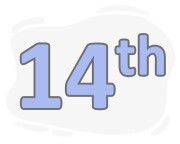
coming or happening right after the thirteenth person or thing
paisprezecelea, a paisprezecea
Paisprezecea februarie este sărbătorită pe scară largă ca Ziua Îndrăgostiților în întreaga lume.

coming or happening right after the fourteenth person or thing
al cincisprezecelea, al cincisprezecelea
Cincisprezecelea martie este cunoscut sub numele de Idele lui martie în istoria romană.
coming or happening right after the fifteenth person or thing
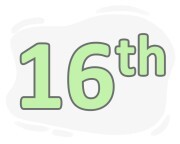
șaisprezecelea, a șaisprezecea
Petrecerea ei de șaisprezece ani a fost o mare sărbătoare cu prieteni și familie.
coming or happening right after the sixteenth person or thing
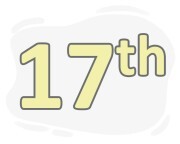
șaptesprezecelea, a șaptesprezecea
Șaptesprezece aprilie este sărbătorită ca Ziua Mondială a Haiku, onorând forma poetică tradițională japoneză.
coming or happening right after the seventeenth person or thing
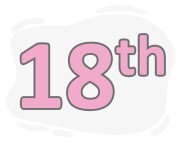
optsprezecelea, al optsprezecelea
Optsprezece noiembrie este recunoscută ca Ziua Mondială a Filosofiei, sărbătorind gândirea filosofică la nivel mondial.

coming or happening right after the eighteenth person or thing
al nouăsprezecelea, al nouăsprezecelea
nouăsprezece aprilie este adesea sărbătorită ca Ziua Națională High Five, încurajând oamenii să împărtășească interacțiuni pozitive.

coming or happening right after the nineteenth person or thing
douăzecilea
Douăzecilea decembrie marchează începutul iernii în emisfera nordică.
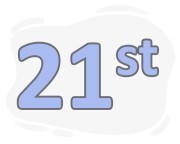
coming or happening right after the twentieth person or thing
douăzeci și unulea
Ziua ei de naștere douăzeci și una a fost sărbătorită cu o petrecere mare, marcând intrarea ei în viața adultă.
