pattern

Słownictwo do IELTS (Ogólne) - Mówiąc o Zmysłach

Tutaj nauczysz się niektórych angielskich słów dotyczących zmysłów, takich jak "ostry", "zapach", "słaby" itp., które są potrzebne do egzaminu IELTS.

Przegląd

Fiszki

Pisownia

Test

Zacznij naukę
Words for General IELTS
acute
acute
[przymiotnik]

(of a sense or perception) extremely sensitive or highly developed

bystry,  ostry

bystry, ostry

Ex: Michael's acute sense of taste helped him identify the different spices. 
to assail
to assail
[Czasownik]

(of feelings or sensations) to worry or upset someone suddenly and profoundly

atakować, ogarniać

atakować, ogarniać

keen
keen
[przymiotnik]

(of senses) sharp and highly-developed

ostry, wyostrzony

ostry, wyostrzony

Ex: Dogs have a keen sense of smell. 
to perceive
to perceive
[Czasownik]

to notice or become aware of something, especially through the senses

postrzegać,  zauważać

postrzegać, zauważać

Ex: The animal can perceive sounds that humans cannot hear. 
perception
perception
[Rzeczownik]

the ability to become aware of something through the senses

percepcja, spostrzeganie

percepcja, spostrzeganie

Ex: Her perception of colors is exceptionally sharp. 
sensation
sensation
[Rzeczownik]

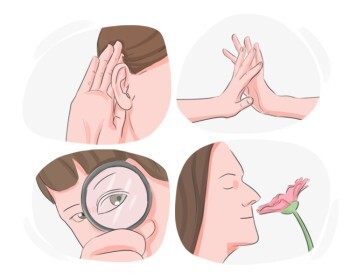
a physical feeling or perception produced by stimulation of the body or a sense organ

wrażenie,  czucie
wrażenie, czucie

Ex: The cream creates a cooling sensation when applied to the skin. 
sense
sense
[Rzeczownik]

any of the five natural abilities of sight, hearing, smell, touch, and taste

zmysł, postrzeganie

zmysł, postrzeganie

Ex: Sight is a sense that allows us to see the world around us. 
sense organ
sense organ
[Rzeczownik]

a part of the body that helps someone perceive their surroundings

narząd zmysłu, organ zmysłowy

narząd zmysłu, organ zmysłowy

sensory
sensory
[przymiotnik]

relating to any of the five senses

sensoryczny,  zmysłowy

sensoryczny, zmysłowy

Ex: Sensory information from the eyes and ears helps us navigate and interact with our environment. 

Informacje sensoryczne z oczu i uszu pomagają nam nawigować i wchodzić w interakcje z naszym środowiskiem.

to smell
to smell
[Czasownik]

to recognize or become aware of a particular scent

wąchać, wyczuć
wąchać, wyczuć

Ex: I always smell the aroma of fresh coffee when I enter the cafe. 
obvious
obvious
[przymiotnik]

noticeable and easily understood

oczywisty, ewidentny

oczywisty, ewidentny

Ex: The answer to the riddle was obvious once you thought about it. 

Odpowiedź na zagadkę była oczywista, gdy się nad nią zastanowić.
apparent
apparent
[przymiotnik]

easy to see or notice

oczywisty, widoczny

oczywisty, widoczny

Ex: His apparent discomfort was evident from his body language. 

Jego widoczne zdenerwowanie było widoczne w jego języku ciała.

clarity
clarity
[Rzeczownik]

the quality of being easily heard or seen

jasność

jasność

marked
marked
[przymiotnik]

clear and easy to notice

zauważalny, wyraźny

zauważalny, wyraźny

Ex: There was a marked difference in the quality of the two competing products. 

Była zauważalna różnica w jakości dwóch konkurencyjnych produktów.
conspicuous
conspicuous
[przymiotnik]

standing out and easy to see or notice

widoczny, rzucający się w oczy

widoczny, rzucający się w oczy

Ex: The yellow taxi was conspicuous among the sea of gray cars in the parking lot. 

Żółta taksówka była widoczna wśród morza szarych samochodów na parkingu.
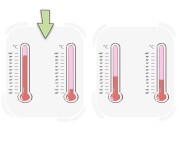
detectable
detectable
[przymiotnik]

able to be noticed or discovered

wykrywalny, dostrzegalny

wykrywalny, dostrzegalny

Ex: The early symptoms of the disease are often not detectable until it has progressed significantly. 

Wczesne objawy choroby często nie są wykrywalne, dopóki nie postąpi znacznie.

distinct
distinct
[przymiotnik]

easily noticeable or perceived by senses

wyraźny, odrębny

wyraźny, odrębny

Ex: The scent of lavender was distinct, even among the mix of floral fragrances in the garden. 

Zapach lawendy był wyraźny, nawet wśród mieszanki kwiatowych zapachów w ogrodzie.

faint
faint
[przymiotnik]

difficult to see, hear, smell, or otherwise notice because of being weak or unclear

słaby,  ledwo widoczny

słaby, ledwo widoczny

Ex: He could just make out a faint line on the paper. 
invisible
invisible
[przymiotnik]

impossible or very difficult to see

niewidzialny,  niedostrzegalny
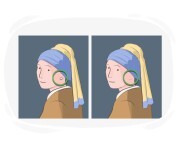
niewidzialny, niedostrzegalny

Ex: The stain was invisible until the light hit it at an angle. 
subtle
subtle
[przymiotnik]

difficult to notice or detect because of its slight or delicate nature

subtelny, delikatny

subtelny, delikatny

Ex: She gave him a subtle nod, indicating that she understood his unspoken message. 

Dała mu subtelne skinienie, wskazując, że zrozumiała jego niewypowiedzianą wiadomość.

dominant
dominant
[przymiotnik]

having superiority in power, influence, or importance

dominujący, przeważający

dominujący, przeważający

Ex: The lion is the dominant predator in its ecosystem, ruling over other animals. 
ill-defined
ill-defined
[przymiotnik]

described in a vague or unclear way

słabo zdefiniowany, niejasny

słabo zdefiniowany, niejasny

Ex: The solution to the problem remained ill-defined, leaving the researchers unsure of how to proceed. 

Rozwiązanie problemu pozostało niedookreślone, pozostawiając badaczy niepewnych, jak postępować.

dim
dim
[przymiotnik]

lacking brightness or sufficient light

przyciemniony, niedostatecznie oświetlony

przyciemniony, niedostatecznie oświetlony

Ex: The dim interior of the cave made it difficult to see the path ahead. 

Przyciemnione wnętrze jaskini utrudniało widzenie ścieżki przed sobą.

defined
defined
[przymiotnik]

described in an exact and clear way

zdefiniowany, precyzyjnie opisany

zdefiniowany, precyzyjnie opisany

focused
focused
[przymiotnik]

producing a very clear sound or image

wyraźny, ostry

wyraźny, ostry

forward
forward
[przymiotnik]

(of a person) overly confident or direct in behavior

bezczelny, śmiały

bezczelny, śmiały

Ex: The forward woman spoke without hesitation. 
identifiable
identifiable
[przymiotnik]

capable of being recognized or distinguished

identyfikowalny, rozpoznawalny

identyfikowalny, rozpoznawalny

Ex: The logo on the packaging makes the brand easily identifiable to consumers. 

Logo na opakowaniu sprawia, że marka jest łatwo rozpoznawalna dla konsumentów.
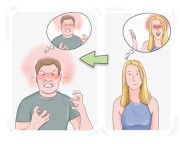
manifest
manifest
[przymiotnik]

clearly apparent or easily recognized

oczywisty,  wyraźny

oczywisty, wyraźny

Ex: The policy had been a manifest failure. 
unnoticed
unnoticed
[przymiotnik]

describing something that is not seen or noticed

niedostrzeżony, niezauważony

niedostrzeżony, niezauważony

Ex: The small error in the report remained unnoticed until the final review. 

Mały błąd w raporcie pozostał niedostrzeżony aż do ostatecznej recenzji.
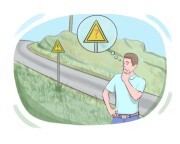
vague
vague
[przymiotnik]

not clear or specific, lacking in detail or precision

niejasny, mglisty

niejasny, mglisty

Ex: His answers during the interview were vague, failing to provide concrete examples of his experience. 

Jego odpowiedzi podczas wywiadu były niejasne, nie podając konkretnych przykładów z jego doświadczenia.

LanGeek
Pobierz aplikację LanGeek
