pattern

Slovní Zásoba pro IELTS (Obecná) - Mluvit o Smyslech

Zde se naučíte některá anglická slova o smyslech, jako je "ostrý", "vůně", "slabý" atd., která jsou potřebná pro zkoušku IELTS.

Revize

Kartičky

Pravopis

Kvíz

Začněte se učit
Words for General IELTS
acute
acute
[Přídavné jméno]

(of a sense or perception) extremely sensitive or highly developed

ostrý,  bystrý

ostrý, bystrý

Ex: The animal uses its acute hearing to detect approaching predators. 
to assail
to assail
[sloveso]

(of feelings or sensations) to worry or upset someone suddenly and profoundly

napadat, zahltnout

napadat, zahltnout

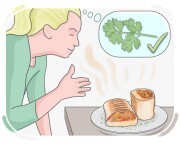
keen
keen
[Přídavné jméno]

(of senses) sharp and highly-developed

ostrý, vyvinutý
ostrý, vyvinutý

Ex: Dogs have a keen sense of smell. 
to perceive
to perceive
[sloveso]

to notice or become aware of something, especially through the senses

vnímat,  postřehnout

vnímat, postřehnout

Ex: He quickly perceived that something was wrong. 
perception
perception
[Podstatné jméno]

the ability to become aware of something through the senses

percepce, vnímání

percepce, vnímání

Ex: Her perception of colors is exceptionally sharp. 
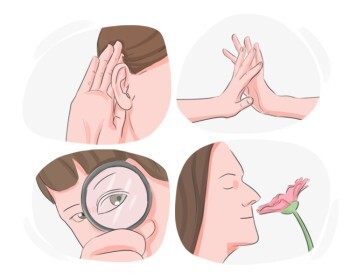
sensation
sensation
[Podstatné jméno]

a physical feeling or perception produced by stimulation of the body or a sense organ

pocit,  vjem
pocit, vjem

Ex: Michael described the pain as a sudden stabbing sensation. 
sense
sense
[Podstatné jméno]

any of the five natural abilities of sight, hearing, smell, touch, and taste

smysl, vnímání

smysl, vnímání

Ex: Sight is a sense that allows us to see the world around us. 
sense organ
sense organ
[Podstatné jméno]

a part of the body that helps someone perceive their surroundings

smyslový orgán, orgán smyslů

smyslový orgán, orgán smyslů

sensory
sensory
[Přídavné jméno]

relating to any of the five senses

smyslový,  senzorický

smyslový, senzorický

Ex: Sensory integration therapy helps children with autism spectrum disorder improve their responses to sensory input. 

Terapie senzorické integrace pomáhá dětem s poruchou autistického spektra zlepšit jejich reakce na smyslové podněty.

to smell
to smell
[sloveso]

to recognize or become aware of a particular scent

čichat, vnímat
čichat, vnímat

Ex: I always smell the aroma of fresh coffee when I enter the cafe. 
obvious
obvious
[Přídavné jméno]

noticeable and easily understood

zřejmý, očividný

zřejmý, očividný

Ex: The answer to the riddle was obvious once you thought about it. 

Odpověď na hádanku byla zřejmá, jakmile jste o ní přemýšleli.
apparent
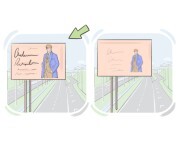
apparent
[Přídavné jméno]

easy to see or notice

zřejmý, viditelný

zřejmý, viditelný

Ex: His apparent discomfort was evident from his body language. 

Jeho zjevné nepohodlí bylo zřejmé z jeho řeči těla.

clarity
clarity
[Podstatné jméno]

the quality of being easily heard or seen

jasnost

jasnost

marked
marked
[Přídavné jméno]

clear and easy to notice

výrazný, zřejmý

výrazný, zřejmý

Ex: There was a marked difference in the quality of the two competing products. 

Byl značný rozdíl v kvalitě dvou konkurenčních produktů.
conspicuous
conspicuous
[Přídavné jméno]

standing out and easy to see or notice

nápadný, viditelný

nápadný, viditelný

Ex: The graffiti on the building was particularly conspicuous due to its vibrant colors and large size. 

Graffiti na budově bylo obzvláště nápadné díky svým živým barvám a velké velikosti.
detectable
detectable
[Přídavné jméno]

able to be noticed or discovered

zjistitelný, vnímatelný

zjistitelný, vnímatelný

Ex: There was a detectable shift in her tone, indicating she was upset. 

V jejím tónu byl zaznamenatelný posun, což naznačovalo, že je rozrušená.

distinct
distinct
[Přídavné jméno]

easily noticeable or perceived by senses

odlišný, zřetelný

odlišný, zřetelný

Ex: The architecture of the building is distinct from the modern designs surrounding it. 

Architektura budovy je odlišná od moderních designů, které ji obklopují.

faint
faint
[Přídavné jméno]

difficult to see, hear, smell, or otherwise notice because of being weak or unclear

slabý,  sotva znatelný

slabý, sotva znatelný

Ex: A faint voice could be heard through the wall. 
invisible
invisible
[Přídavné jméno]

impossible or very difficult to see

neviditelný,  nespatřitelný
neviditelný, nespatřitelný

Ex: The aircraft was designed to remain invisible to radar. 
subtle
subtle
[Přídavné jméno]

difficult to notice or detect because of its slight or delicate nature

jemný, jemný

jemný, jemný

Ex: The changes to the menu were subtle but effective, enhancing the overall dining experience. 

Změny v menu byly jemné, ale účinné, což zlepšilo celkový stravovací zážitek.

dominant
dominant
[Přídavné jméno]

having superiority in power, influence, or importance

dominantní, převládající

dominantní, převládající

Ex: The lion is the dominant predator in its ecosystem, ruling over other animals. 
ill-defined
ill-defined
[Přídavné jméno]

described in a vague or unclear way

špatně definovaný, nejasný

špatně definovaný, nejasný

Ex: The ill-defined rules of the game caused disagreements among the players. 

Špatně definovaná pravidla hry způsobila neshody mezi hráči.

dim
dim
[Přídavné jméno]

lacking brightness or sufficient light

tmavý, nedostatečně osvětlený

tmavý, nedostatečně osvětlený

Ex: The dim hallway was illuminated only by a flickering candle. 

Temná chodba byla osvětlena pouze blikající svíčkou.

defined
defined
[Přídavné jméno]

described in an exact and clear way

definovaný, přesně popsaný

definovaný, přesně popsaný

focused
focused
[Přídavné jméno]

producing a very clear sound or image

jasný, ostrý

jasný, ostrý

forward
forward
[Přídavné jméno]

(of a person) overly confident or direct in behavior

drzý, odvážný

drzý, odvážný

Ex: The forward woman spoke without hesitation. 
identifiable
identifiable
[Přídavné jméno]

capable of being recognized or distinguished

identifikovatelný, rozpoznatelný

identifikovatelný, rozpoznatelný

Ex: The virus has identifiable symptoms that doctors can recognize for diagnosis. 

Virus má identifikovatelné příznaky, které lékaři mohou rozpoznat pro diagnózu.
manifest
manifest
[Přídavné jméno]

clearly apparent or easily recognized

zjevný,  očividný

zjevný, očividný

Ex: They protested against what they considered a manifest injustice. 
unnoticed
unnoticed
[Přídavné jméno]

describing something that is not seen or noticed

nepovšimnutý, nezpozorovaný

nepovšimnutý, nezpozorovaný

Ex: Her hard work often went unnoticed by her busy boss. 

Její tvrdá práce často zůstala nepovšimnuta jejím zaneprázdněným šéfem.
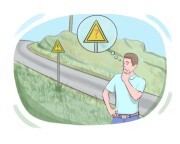
vague
vague
[Přídavné jméno]

not clear or specific, lacking in detail or precision

nejasný, vágní

nejasný, vágní

Ex: The directions to the restaurant were vague, causing us to get lost on the way. 

Pokyny k restauraci byly nejasné, což nás přimělo ztratit se cestou.

LanGeek
Stáhnout aplikaci LanGeek
