pattern

Vocabulario para IELTS (General) - Hablar de los Sentidos

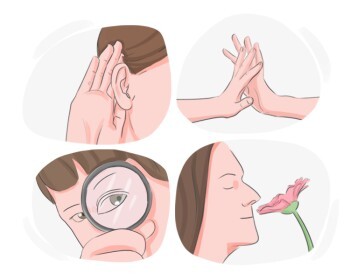
Aquí aprenderás algunas palabras en inglés sobre los sentidos, como "acute", "smell", "faint", etc. que se necesitan para el examen IELTS.

Revisión

Tarjetas de memoria

Ortografía

Cuestionario

Empezar a aprender
Words for General IELTS
acute
acute
[Adjetivo]

(of senses) highly-developed and very sensitive

agudo

agudo

Ex: The detective had an acute eye for detail, noticing clues others missed. 

El detective tenía un ojo agudo para los detalles, notando pistas que otros pasaban por alto.

to assail
to assail
[Verbo]

(of feelings or sensations) to worry or upset someone suddenly and profoundly

acometer

acometer

keen
keen
[Adjetivo]

(of senses) sharp and highly-developed

fuerte

fuerte

Ex: The detective relied on his keen instincts to solve the case. 

El detective confió en sus instintos agudos para resolver el caso.

to perceive

to realize through the senses

percibir

percibir

Ex: Cats can perceive high-frequency sounds that are inaudible to humans. 

Los gatos pueden percibir sonidos de alta frecuencia que son inaudibles para los humanos.

perception
perception
[Sustantivo]

the ability to become aware of something through the senses

percepción

percepción

Ex: The painting tests the viewer's visual perception. 

La pintura pone a prueba la percepción visual del espectador.

sensation
sensation
[Sustantivo]

a physical perception caused by an outside stimulus or something being in touch with the body

sensibilidad

sensibilidad

Ex: The sensation of the warm sun on her face was comforting. 

La sensación del sol cálido en su rostro era reconfortante.

sense
sense
[Sustantivo]

any of the five natural abilities of sight, hearing, smell, touch, and taste

sentido

sentido

Ex: Smell is a sense that helps us detect scents and odors. 

El olfato es un sentido que nos ayuda a detectar aromas y olores.

sense organ
sense organ
[Sustantivo]

a part of the body that helps someone perceive their surroundings

órgano sensorial

órgano sensorial

sensory
sensory
[Adjetivo]

relating to any of the five senses

sensorial

sensorial

Ex: Sensory processing disorder affects how the brain interprets and responds to sensory input. 

El trastorno del procesamiento sensorial afecta cómo el cerebro interpreta y responde a la entrada sensorial.

to smell
to smell
[Verbo]

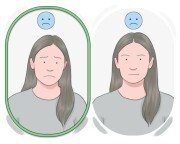
to recognize or become aware of a particular scent

oler
oler

Ex: Yesterday, I smelled a delicious fragrance coming from the bakery. 

Ayer, olí un delicioso aroma que venía de la panadería.

obvious
obvious
[Adjetivo]

noticeable and easily understood

obvio

obvio

Ex: The reason for her absence was obvious; she had called in sick earlier. 

La razón de su ausencia era obvia; había llamado para decir que estaba enferma antes.
apparent
apparent
[Adjetivo]

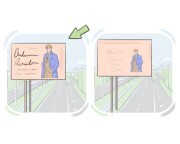
easy to see or notice

evidente

evidente

Ex: The apparent beauty of the landscape took her breath away. 

La belleza aparente del paisaje le dejó sin aliento.

clarity
clarity
[Sustantivo]

the quality of being easily heard or seen

claridad

claridad

marked
marked
[Adjetivo]

clear and easy to notice

marcado

marcado

Ex: The marked improvement in student grades was a direct result of the new teaching methods. 

La mejora marcada en las calificaciones de los estudiantes fue un resultado directo de los nuevos métodos de enseñanza.
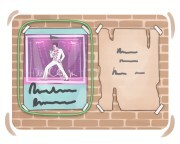
conspicuous
conspicuous
[Adjetivo]

standing out and easy to see or notice

visible

visible

Ex: The landmark statue was designed to be conspicuous so that it would catch the eye of every passerby. 

La estatua icónica fue diseñada para ser llamativa para que captara la atención de cada transeúnte.
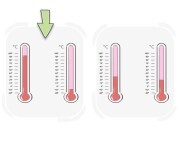
detectable
detectable
[Adjetivo]

able to be noticed or discovered

detectable

detectable

Ex: The error in the document was not immediately detectable to the untrained eye. 

El error en el documento no era inmediatamente detectable para el ojo inexperto.

distinct
distinct
[Adjetivo]

easily noticeable or perceived by senses

claro

claro

Ex: The manager outlined three distinct phases of the project, each with specific goals. 

El gerente describió tres fases distintas del proyecto, cada una con objetivos específicos.

faint
faint
[Adjetivo]

difficult to see, hear, smell, etc.

leve, débil

leve, débil

Ex: She noticed a faint light coming from under the door. 

Ella notó una luz tenue que venía de debajo de la puerta.

invisible
invisible
[Adjetivo]

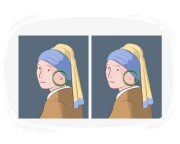
not capable of being seen with the naked eye

invisible

invisible

Ex: The invisible stains on the carpet were only revealed under UV light. 

Las manchas invisibles en la alfombra solo se revelaron bajo la luz UV.

subtle
subtle
[Adjetivo]

difficult to notice or detect because of its slight or delicate nature

suave

suave

Ex: The fragrance was subtle, hinting at notes of jasmine and sandalwood without overpowering the senses. 

La fragancia era sutil, insinuando notas de jazmín y sándalo sin abrumar los sentidos.

dominant
dominant
[Adjetivo]

having superiority in power, influence, or importance

dominante

dominante

Ex: The company has a dominant position in the market, outpacing all competitors. 

La empresa tiene una posición dominante en el mercado, superando a todos los competidores.

ill-defined
ill-defined
[Adjetivo]

described in a vague or unclear way

impreciso

impreciso

Ex: His responsibilities in the new role were so ill-defined that he wasn’t sure where to begin. 

Sus responsabilidades en el nuevo rol estaban tan mal definidas que no estaba seguro de por dónde empezar.

dim
dim
[Adjetivo]

lacking brightness or sufficient light

poco iluminado

poco iluminado

Ex: The dim interior of the cave made it difficult to see the path ahead. 

El interior tenue de la cueva hacía difícil ver el camino por delante.

defined
defined
[Adjetivo]

described in an exact and clear way

definido

definido

focused
focused
[Adjetivo]

producing a very clear sound or image

enfocado

enfocado

forward
forward
[Adjetivo]

(of a person) overly confident or direct in behavior

atrevido

atrevido

Ex: She was a bit too forward when she asked about his personal life. 

Ella fue un poco demasiado directa cuando preguntó sobre su vida personal.

identifiable
identifiable
[Adjetivo]

capable of being recognized or distinguished

identificable

identificable

Ex: His handwriting was easily identifiable, even from a distance. 

Su letra era fácilmente identificable, incluso desde la distancia.
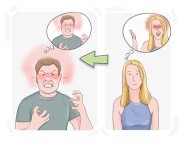
manifest
manifest
[Adjetivo]

easily perceived or understood

manifiesto

manifiesto

Ex: The artist’s talent was manifest in every brushstroke of the painting. 

El talento del artista era manifiesto en cada pincelada de la pintura.

unnoticed
unnoticed
[Adjetivo]

describing something that is not seen or noticed

inadvertido

inadvertido

Ex: The quiet student in the back of the class often went unnoticed during discussions. 

El estudiante tranquilo en el fondo de la clase a menudo pasaba desapercibido durante las discusiones.
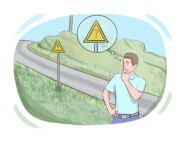
vague
vague
[Adjetivo]

not clear or specific, lacking in detail or precision

vago

vago

Ex: The job posting was vague, providing little information about the responsibilities and requirements. 

El anuncio de trabajo era vago, proporcionando poca información sobre las responsabilidades y los requisitos.

LanGeek
Descargar la aplicación LanGeek