
Cambridge IELTS 19 - Academic - Test 4 - Czytanie - Fragment 2 (1)
Ucz się słownictwa z pierwszej części Cambridge IELTS 19 Academic, Test 4 Reading Passage 2, z przydatnymi słowami i wyrażeniami z tekstu.
Przegląd
Fiszki
formy
Pisownia
Test

relating to actions or treatments that save lives in emergency or critical situations

ratujący życie, ratunkowy
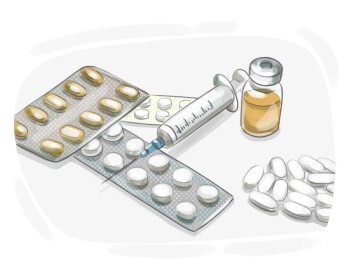
a substance that treats injuries or illnesses
lek, medycyna
to regard or consider something in a particular way
postrzegać, uważać

unlike anything else and distinguished by individuality
unikalny, niepowtarzalny
Ta artystka ma unikalną perspektywę, która sprawia, że jej sztuka się wyróżnia.
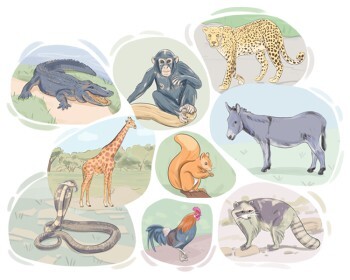
a group that animals, plants, etc. of the same type which are capable of producing healthy offspring with each other are divided into
gatunek, gatunki
Pies domowy to gatunek z rodzaju Canis, który był selekcjonowany przez ludzi przez tysiące lat.
to waste or fail to have good use of time or an opportunity
stracić, zmarnować
a sudden surge or burst of activity
napływ, wybuch
to make effective or profitable use of a resource, opportunity, or ability
wykorzystać, eksploatować
a naturally occurring inorganic solid with a characteristic chemical composition and physical structure
minerał
a craving for something
głód, pragnienie
of, relating to, found in, or living in the sea
morski, morska
any substance that is used for medicinal purposes
lek, środek leczniczy
a scientist who specializes in the study of microorganisms, such as bacteria, viruses, fungi, and protozoa, and their effects on living organisms
mikrobiolog, specjalista mikrobiologii
Jako wykwalifikowany mikrobiolog skupia się na rozwoju nowych szczepionek.

to strongly recommend something
nalegać, gorąco polecać
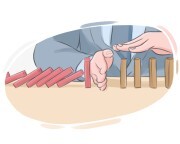
a stop or interruption in movement, activity, or progress
zatrzymanie, przerwa
to carefully consider the advantages and disadvantages of a situation before deciding
rozważać za i przeciw, starannie oceniać
W obliczu dylematu ważne jest, aby rozważyć implikacje etyczne.
the positive and negative elements, arguments, outcomes, etc. of something
the capacity to be maintained for a long time and causing no harm to the environment
zrównoważony rozwój, trwałość
Energia odnawialna jest kluczem do globalnych wysiłków na rzecz zrównoważonego rozwoju.
to provide reasons when saying something is the case, particularly to persuade others that one is right
argumentować, dyskutować
a scientist specializing in the study of oceans, focusing on their physical properties, marine life, ecosystems, and interactions with the atmosphere and land
oceanograf, naukowiec specjalizujący się w badaniu oceanów
Oceanografowie współpracują z biologami morskimi, aby badać zachowanie ssaków morskich.
from a different location using digital communication or technology
zdalnie, na odległość
Wiele szkół zaczęło uczyć zdalnie podczas pandemii.

to notice or see someone or something that is hard to do so
dostrzec, zauważyć
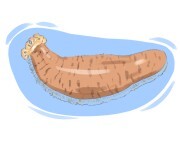
an invertebrate with a wormlike body that is considered a marine creature and lives on seabed, with tentacles around the mouth
strzykwa, holoturia
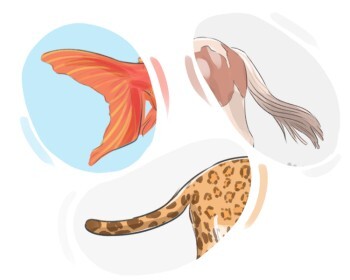
the part of the body of an animal, a bird or a fish that sticks out at the back, which can move
ogon, ogon zwierzęcia
to move smoothly and gracefully with sweeping or gliding motions
ślizgać się, unosić się
of or taking place in the deeper parts of the sea
głębinowy, mający miejsce w głębinach morskich
the activity or industry of extracting minerals and other valuable materials from the earth
górnictwo, wydobycie

(microbiology) single-celled microorganisms that can be found in various environments, including soil, water, and living organisms, and can be beneficial, harmful, or neutral
bakterie
Naukowiec badał bakterie pod mikroskopem, aby zidentyfikować ich charakterystyki.
a type or variety of bacteria or virus that has developed a resistance to multiple types of antibiotics or other treatments, making it difficult to control or eliminate
superbakteria, bakteria wielooporna
Wzrost nadużywania antybiotyków doprowadził do pojawienia się superbakterii.
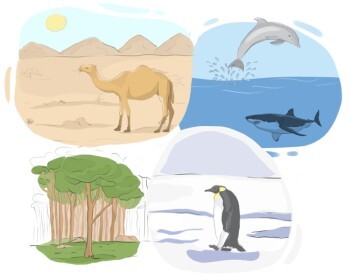
the natural environment in which a particular animal, plant, or other organism normally lives or grows
siedlisko, środowisko naturalne
a microscopic organism, especially one that can cause disease
mikrob
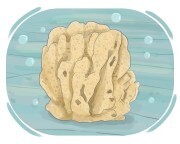
a marine invertebrate with a body full of holes through which water can circulate and nutrients can be absorbed
gąbka, gąbczak
capable of causing disease
patogenny, szkodliwy
Pasożyty takie jak Plasmodium falciparum są patogenne i powodują malarię.
a tiny living organism that can cause disease
mikrob, mikroorganizm
Mycie rąk zapobiega przenoszeniu zarazków.
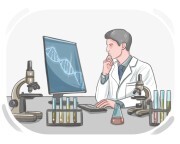
a room or building equipped for scientific research, experiments, testing, or the production of chemicals or medicines

an important discovery or development that helps improve a situation or answer a problem
przełom, ważne odkrycie
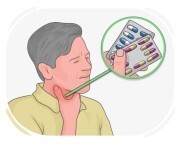
a medicine that kills or stops the growth of bacteria
antybiotyk, lek przeciwbakteryjny
Nadużywanie antybiotyków może powodować oporność.
not easily affected by external influences or forces
odporny, wodoodporny
Balsam do opalania jest odporny na wodę, co czyni go odpowiednim do pływania.
at or to a more advanced point or stage
dalej, bardziej
W miarę postępu dyskusji rozmowa przesunęła się dalej w kierunku złożonych tematów.
to show or say that something is the case, particularly by providing proof
potwierdzać, weryfikować
(geology) a long, narrow depression or hollow, often occurring naturally, such as in the landscape or ocean floor
koryto, dolina
Linia uskoku stworzyła koryto w krajobrazie, wyznaczając granicę między dwiema płytami tektonicznymi.
before the present moment or a specific time
wcześniej, poprzednio
Wcześniej uczestniczyłem w podobnym warsztacie, więc znałem jego zawartość.
controlled or made to work by a particular method or system
zasilany baterią, działający na baterie
Zabawka zasilana bateryjnie działała przez godziny.
a single word or group of words used to name or define something
termin, słowo
not recorded or officially recognized
niedokumentowany, niezarejestrowany
Kilka nieudokumentowanych wydarzeń ukształtowało wczesne lata miasteczka.
the act of searching for valuable things like minerals, oil, or opportunities
poszukiwanie, badanie
Poszukiwanie złota było powszechne w latach 1800.
having an effect on living organisms, tissues, or cells
bioaktywny, biologicznie aktywny
Substancje bioaktywne w glebie wspomagają wzrost roślin.
