pattern

Cambridge IELTS 19 - Academic - Test 4 - Čtení - Úryvek 2 (1)

Naučte se slovní zásobu z první části Cambridge IELTS 19 Academic, Test 4 Reading Passage 2, s užitečnými slovy a výrazy z textu.

Revize

Kartičky

tvary

Pravopis

Kvíz

Začněte se učit
Cambridge IELTS 19 - Academic
lifesaving
lifesaving
[Přídavné jméno]

relating to actions or treatments that save lives in emergency or critical situations

zachraňující život, záchranný
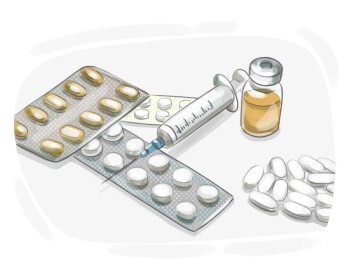
zachraňující život, záchranný

medicine
medicine
[Podstatné jméno]

a substance that treats injuries or illnesses

lék, medicína

lék, medicína

Ex: The doctor prescribed medicine for her cough. 
to view
to view
[sloveso]

to regard or consider something in a particular way

považovat, vidět

považovat, vidět

Ex: He views his job as an opportunity for personal growth and development. 
unique
unique
[Přídavné jméno]

unlike anything else and distinguished by individuality

unikátní, jedinečný

unikátní, jedinečný

Ex: This dish has a unique flavor combination that is surprisingly good. 

Toto jídlo má jedinečnou kombinaci chutí, která je překvapivě dobrá.
species
species
[Podstatné jméno]

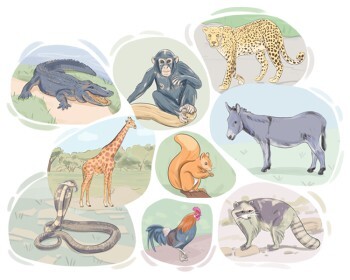
a group that animals, plants, etc. of the same type which are capable of producing healthy offspring with each other are divided into

druh, druhy

druh, druhy

Ex: The monarch butterfly is a species of butterfly that migrates thousands of miles each year. 

Monarcha stěhovavý je druh motýla, který každý rok migruje tisíce mil.

to lose
to lose
[sloveso]

to waste or fail to have good use of time or an opportunity

ztratit, plýtvat

ztratit, plýtvat

Ex: Don't lose any more time; start your homework now. 
rush
rush
[Podstatné jméno]

a sudden surge or burst of activity

nával, výbuch

nával, výbuch

Ex: There was a rush of orders after the announcement. 
to exploit
to exploit
[sloveso]

to make effective or profitable use of a resource, opportunity, or ability

využít,  zneužít

využít, zneužít

Ex: Daniel successfully exploited the software's advanced features. 
mineral
mineral
[Podstatné jméno]

a naturally occurring inorganic solid with a characteristic chemical composition and physical structure

minerál

minerál

Ex: Students examined the mineral under a microscope during geology class. 
hunger
hunger
[Podstatné jméno]

a craving for something

hlad, touha

hlad, touha

Ex: There is a hunger for justice in the community. 
marine
marine
[Přídavné jméno]

of, relating to, found in, or living in the sea

mořský,  námořní

mořský, námořní

Ex: Scientists collected marine sediments from the ocean floor. 
drug
drug
[Podstatné jméno]

any substance that is used for medicinal purposes

lék,  léčivo

lék, léčivo

Ex: The doctor prescribed a drug to treat the infection. 
microbiologist
microbiologist
[Podstatné jméno]

a scientist who specializes in the study of microorganisms, such as bacteria, viruses, fungi, and protozoa, and their effects on living organisms

mikrobiolog, odborník na mikrobiologii

mikrobiolog, odborník na mikrobiologii

Ex: During her internship, she assisted a microbiologist with various microbiological tests. 

Během své stáže pomáhala mikrobiologovi s různými mikrobiologickými testy.

to urge
to urge
[sloveso]

to strongly recommend something

naléhat, důrazně doporučit
naléhat, důrazně doporučit

Ex: The safety inspector urged caution when handling hazardous materials in the workplace. 
halt
halt
[Podstatné jméno]

a stop or interruption in movement, activity, or progress

zastavení, přerušení

zastavení, přerušení

Ex: The accident caused a temporary halt in construction. 
to weigh up
to weigh up
[sloveso]

to carefully consider the advantages and disadvantages of a situation before deciding

zvažovat klady a zápory, pečlivě uvažovat

zvažovat klady a zápory, pečlivě uvažovat

Ex: The CEO spent hours weighing up the advantages and disadvantages of the merger. 

Generální ředitel strávil hodiny zvažováním výhod a nevýhod fúze.

pros and cons

the positive and negative elements, arguments, outcomes, etc. of something

Ex: As part of the research process, the student outlined the pros and cons of various methodologies, helping to determine the most suitable approach for the study. 
sustainability
sustainability
[Podstatné jméno]

the capacity to be maintained for a long time and causing no harm to the environment

udržitelnost, trvanlivost

udržitelnost, trvanlivost

Ex: Educating communities about sustainability promotes responsible water use. 

Vzdělávání komunit o udržitelnosti podporuje odpovědné využívání vody.

to argue
to argue
[sloveso]

to provide reasons when saying something is the case, particularly to persuade others that one is right

argumentovat, diskutovat

argumentovat, diskutovat

Ex: He argued that increasing funding for education would lead to long-term benefits for society. 
oceanographer
oceanographer
[Podstatné jméno]

a scientist specializing in the study of oceans, focusing on their physical properties, marine life, ecosystems, and interactions with the atmosphere and land

oceanograf, vědec specializující se na studium oceánů

oceanograf, vědec specializující se na studium oceánů

Ex: The career of an oceanographer often involves fieldwork, laboratory analysis, and data modeling to uncover oceanic mysteries. 

Kariéra oceanografa často zahrnuje terénní práce, laboratorní analýzu a modelování dat k odhalení oceánských tajemství.

remotely
remotely
[Příslovce]

from a different location using digital communication or technology

na dálku, vzdáleně

na dálku, vzdáleně

Ex: He manages the entire team remotely from another city. 

Řídí celý tým vzdáleně z jiného města.

to spot
to spot
[sloveso]

to notice or see someone or something that is hard to do so

zahlédnout, všimnout si
zahlédnout, všimnout si

Ex: The hiker could spot the rare bird perched high in the trees. 
sea cucumber
sea cucumber
[Podstatné jméno]

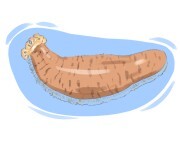
an invertebrate with a wormlike body that is considered a marine creature and lives on seabed, with tentacles around the mouth

mořská okurka, holothuria
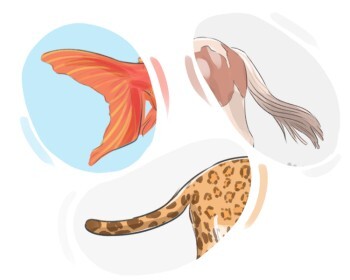
mořská okurka, holothuria

tail
tail
[Podstatné jméno]

the part of the body of an animal, a bird or a fish that sticks out at the back, which can move

ocas, ocas zvířete

ocas, ocas zvířete

Ex: My cat has a long and bushy tail. 
to sail
to sail
[sloveso]

to move smoothly and gracefully with sweeping or gliding motions

klouzat, plachtit

klouzat, plachtit

Ex: The dancer sailed across the stage with effortless grace. 
deep-sea
deep-sea
[Přídavné jméno]

of or taking place in the deeper parts of the sea

hlubokomořský, odehrávající se v hlubších částech moře

hlubokomořský, odehrávající se v hlubších částech moře

mining
mining
[Podstatné jméno]

the activity or industry of extracting minerals and other valuable materials from the earth

těžba,  hornictví

těžba, hornictví

Ex: Gold mining remains an important source of income for the town. 
bacteria
bacteria
[Podstatné jméno]

(microbiology) single-celled microorganisms that can be found in various environments, including soil, water, and living organisms, and can be beneficial, harmful, or neutral

bakterie

bakterie

Ex: Proper handwashing helps prevent the spread of bacteria and viruses. 

Správné mytí rukou pomáhá předcházet šíření bakterií a virů.
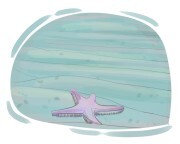
ocean floor
ocean floor
[Podstatné jméno]

the bottom of a sea or ocean

oceánské dno, mořské dno

oceánské dno, mořské dno

superbug
superbug
[Podstatné jméno]

a type or variety of bacteria or virus that has developed a resistance to multiple types of antibiotics or other treatments, making it difficult to control or eliminate

superbakterie, multirezistentní bakterie

superbakterie, multirezistentní bakterie

Ex: Without new medications, superbugs could become a serious global health threat. 

Bez nových léků by se superbakterie mohly stát vážnou globální zdravotní hrozbou.
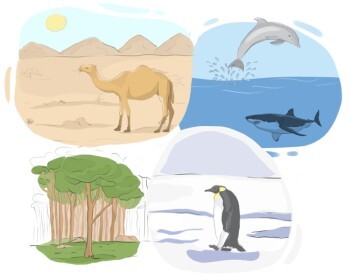
habitat
habitat
[Podstatné jméno]

the natural environment in which a particular animal, plant, or other organism normally lives or grows

biotop,  přirozené prostředí

biotop, přirozené prostředí

Ex: These plants thrive in a dry, rocky habitat. 
at risk
at risk
[fráze]

prone to danger or harm

Ex: Adults were also at risk from epidemics. 
microbe
microbe
[Podstatné jméno]

a microscopic organism, especially one that can cause disease

mikrob
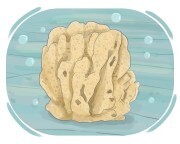
mikrob

Ex: The immune system usually destroys a foreign microbe before it causes symptoms. 
sponge
sponge
[Podstatné jméno]

a marine invertebrate with a body full of holes through which water can circulate and nutrients can be absorbed

houba, násadkovec

houba, násadkovec

pathogenic
pathogenic
[Přídavné jméno]

capable of causing disease

patogenní, škodlivý

patogenní, škodlivý

Ex: Pathogenic organisms can make you sick. 

Patogenní organismy vás mohou onemocnět.

bug
bug
[Podstatné jméno]

a tiny living organism that can cause disease

mikrob, mikroorganismus

mikrob, mikroorganismus

Ex: A stomach bug kept him home from work. 

Žaludeční mikrob ho udržel doma od práce.

laboratory
laboratory
[Podstatné jméno]

a room or building equipped for scientific research, experiments, testing, or the production of chemicals or medicines

laboratoř,  lab

laboratoř, lab

Ex: Sarah spent the afternoon analyzing samples in the laboratory. 
breakthrough
breakthrough
[Podstatné jméno]

an important discovery or development that helps improve a situation or answer a problem

průlom, důležitý objev
průlom, důležitý objev

Ex: The breakthrough in negotiations between the two countries paved the way for lasting peace in the region. 
antibiotic
antibiotic
[Podstatné jméno]

a medicine that kills or stops the growth of bacteria

antibiotikum, antibakteriální lék

antibiotikum, antibakteriální lék

Ex: The pharmacy stocked several types of antibiotics. 

Lékárna měla na skladě několik druhů antibiotik.

resistant
resistant
[Přídavné jméno]

not easily affected by external influences or forces

odolný, voděodolný

odolný, voděodolný

Ex: The sunscreen lotion is resistant to water, making it suitable for swimming. 

Ochranný krém na opalování je voděodolný, což jej činí vhodným pro plavání.

further
further
[Příslovce]

at or to a more advanced point or stage

dále, více

dále, více

Ex: The technology has advanced further since the initial release of the product. 

Technologie pokročila dále od počátečního vydání produktu.
to confirm
to confirm
[sloveso]

to show or say that something is the case, particularly by providing proof

potvrdit, ověřit

potvrdit, ověřit

Ex: The doctor confirmed the diagnosis with the results of the blood test. 
trough
trough
[Podstatné jméno]

(geology) a long, narrow depression or hollow, often occurring naturally, such as in the landscape or ocean floor

koryto, prohlubeň

koryto, prohlubeň

Ex: The troughs and ridges of sand dunes shift continuously in the desert as a result of wind erosion and deposition. 

Údolí a hřebeny písečných dun se v poušti neustále posunují v důsledku větrné eroze a usazování.

previously
previously
[Příslovce]

before the present moment or a specific time

dříve, předtím

dříve, předtím

Ex: The project had been proposed and discussed previously by the team, but no concrete plans were made. 

Projekt byl týmem dříve navržen a projednán, ale nebyly vytvořeny žádné konkrétní plány.

operated
operated
[Přídavné jméno]

controlled or made to work by a particular method or system

napájený baterií, poháněný baterií

napájený baterií, poháněný baterií

Ex: The battery-operated toy ran for hours. 

Hračka na baterie běžela hodiny.

term
term
[Podstatné jméno]

a single word or group of words used to name or define something

termín, slovo

termín, slovo

Ex: The term "photosynthesis" refers to a biological process. 
undocumented
undocumented
[Přídavné jméno]

not recorded or officially recognized

nedokumentovaný, neregistrovaný

nedokumentovaný, neregistrovaný

Ex: The artist's early work remains mostly undocumented. 

Raná tvorba umělce zůstává z velké části nedokumentovaná.

prospecting
prospecting
[Podstatné jméno]

the act of searching for valuable things like minerals, oil, or opportunities

průzkum, hledání

průzkum, hledání

Ex: Gold prospecting was common during the 1800s. 

Průzkum zlata byl v 19. století běžný.

bioactive
bioactive
[Přídavné jméno]

having an effect on living organisms, tissues, or cells

bioaktivní, biologicky aktivní

bioaktivní, biologicky aktivní

Ex: Bioactive molecules can fight harmful bacteria. 

Bioaktivní molekuly mohou bojovat proti škodlivým bakteriím.

LanGeek
Stáhnout aplikaci LanGeek
