pattern

Cambridge IELTS 19 - Академический - Тест 4 - Чтение - Отрывок 2 (1)

Здесь вы можете найти словарный запас из Теста 4 - Чтение - Отрывок 2 (1) в учебнике Cambridge IELTS 19 - Academic, чтобы помочь вам подготовиться к экзамену IELTS.

Обзор

Флэш-карточки

формы

Правописание

Тест

Начать учиться
Cambridge IELTS 19 - Academic
lifesaving
lifesaving
[прилагательное]

relating to actions or treatments that save lives in emergency or critical situations

спасательный, жизнеспасающий
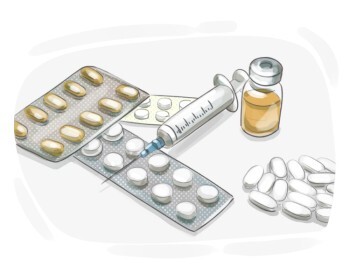
спасательный, жизнеспасающий

Закрыть
Войти
medicine
medicine
[существительное]

a substance that treats injuries or illnesses

медицина

медицина

Ex: The child refused to take the bitter-tasting medicine.

Ребенок отказался принимать горькое лекарство.

Закрыть
Войти
to view
to view
[глагол]

to regard or consider something in a particular way

рассматривать, воспринимать

рассматривать, воспринимать

Ex: The teacher views her students with compassion and understanding .

Учитель смотрит на своих учеников с состраданием и пониманием.

Закрыть
Войти
unique
unique
[прилагательное]

unlike anything else and distinguished by individuality

уникальный

уникальный

Ex: This dish has a unique flavor combination that is surprisingly good .

У этого блюда уникальное сочетание вкусов, которое удивительно хорошо.

Закрыть
Войти
species
species
[существительное]

a group that animals, plants, etc. of the same type which are capable of producing healthy offspring with each other are divided into

виды

виды

Ex: The monarch butterfly is a species of butterfly that migrates thousands of miles each year .

Монарх — это вид бабочки, который мигрирует на тысячи миль каждый год.

Закрыть
Войти
to lose
to lose
[глагол]

to waste or fail to have good use of time or an opportunity

терять, тратить впустую

терять, тратить впустую

Ex: Do n't lose the chance to learn something new .

Не теряйте шанс узнать что-то новое.

Закрыть
Войти
rush
rush
[существительное]

a sudden surge or burst of activity

наплыв, всплеск

наплыв, всплеск

Ex: The office experienced a rush of emails .

В офисе произошел внезапный наплыв электронных писем.

Закрыть
Войти
to exploit
to exploit
[глагол]

to utilize or take full advantage of something, often resources, opportunities, or skills

использовать, извлекать выгоду

использовать, извлекать выгоду

Ex: Investors strategically exploit market trends to maximize returns on their investments .

Инвесторы стратегически используют рыночные тенденции для максимизации доходности своих инвестиций.

Закрыть
Войти
mineral
mineral
[существительное]

a solid, naturally occurring substance with a specific chemical composition, typically found in the earth's crust, such as gold, copper, etc.

минерал

минерал

Ex: Iron ore is mined for its valuable mineral content .

Железная руда добывается из-за ценного содержания минерала.

Закрыть
Войти
hunger
hunger
[существительное]

a craving for something

голод, жажда

голод, жажда

Ex: There is a hunger for justice in the community .

В сообществе есть голод по справедливости.

Закрыть
Войти
marine
marine
[прилагательное]

related to the sea and the different life forms that exist there

морской

морской

Ex: Marine biology focuses on studying the organisms and environments of the ocean .

Морская биология сосредоточена на изучении организмов и сред океана.

Закрыть
Войти
drug
drug
[существительное]

any substance that is used for medicinal purposes

лекарство

лекарство

Ex: The pharmaceutical industry continually researches and develops new drugs to address emerging health challenges and improve patient outcomes .

Фармацевтическая промышленность постоянно исследует и разрабатывает новые лекарства для решения возникающих проблем со здоровьем и улучшения результатов лечения пациентов.

Закрыть
Войти
microbiologist
microbiologist
[существительное]

a scientist who specializes in the study of microorganisms, such as bacteria, viruses, fungi, and protozoa, and their effects on living organisms

микробиолог

микробиолог

Ex: During her internship , she assisted a microbiologist with various microbiological tests .

Во время стажировки она помогала микробиологу в проведении различных микробиологических тестов.

Закрыть
Войти
to urge
to urge
[глагол]

to strongly recommend something

призывать

призывать

Ex: The professor urged reflection on historical events to better understand contemporary social issues .
Закрыть
Войти
halt
halt
[существительное]

the occurrence of something coming to a complete stop or conclusion

остановка, прекращение

остановка, прекращение

Ex: The decision brought a halt to all further discussions .

Решение положило конец всем дальнейшим обсуждениям.

Закрыть
Войти
to weigh up
to weigh up
[глагол]

to carefully consider the advantages and disadvantages of a situation before deciding

взвешивать все за и против, тщательно обдумывать

взвешивать все за и против, тщательно обдумывать

Ex: The CEO spent hours weighing up the advantages and disadvantages of the merger .

Генеральный директор потратил часы, взвешивая преимущества и недостатки слияния.

Закрыть
Войти
pros and cons
pros and cons
[фраза]

the positive and negative elements, arguments, outcomes, etc. of something

преимущества или недостатки чего-либо

преимущества или недостатки чего-либо

Ex: As part of the research process, the student outlined the pros and cons of various methodologies, helping to determine the most suitable approach for the study.
Закрыть
Войти
sustainability
sustainability
[существительное]

the capacity to be maintained for a long time and causing no harm to the environment

устойчивость, долговечность

устойчивость, долговечность

Ex: Educating communities about sustainability promotes responsible water use .

Образование сообществ о устойчивости способствует ответственному использованию воды.

Закрыть
Войти
to argue
to argue
[глагол]

to provide reasons when saying something is the case, particularly to persuade others that one is right

спорить, утверждать

спорить, утверждать

Ex: He argued against the proposal , citing potential negative consequences for the economy .

Он спорил против предложения, ссылаясь на потенциальные негативные последствия для экономики.

Закрыть
Войти
oceanographer
oceanographer
[существительное]

a scientist specializing in the study of oceans, focusing on their physical properties, marine life, ecosystems, and interactions with the atmosphere and land

океанограф, ученый

океанограф, ученый

Ex: The career of an oceanographer often involves fieldwork , laboratory analysis , and data modeling to uncover oceanic mysteries .

Карьера океанографа часто включает полевые работы, лабораторный анализ и моделирование данных для раскрытия океанских тайн.

Закрыть
Войти
remotely
remotely
[наречие]

from a different location using digital communication or technology

удаленно

удаленно

Ex: He manages the entire team remotely from another city .

Он управляет всей командой удаленно из другого города.

Закрыть
Войти
to spot
to spot
[глагол]

to notice or see someone or something that is hard to do so

замечать
замечать

Ex: The teacher asked students to spot the errors in the mathematical equations .
Закрыть
Войти
sea cucumber
sea cucumber
[существительное]

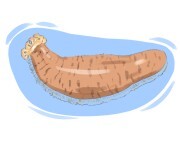
an invertebrate with a wormlike body that is considered a marine creature and lives on seabed, with tentacles around the mouth

морской огурец
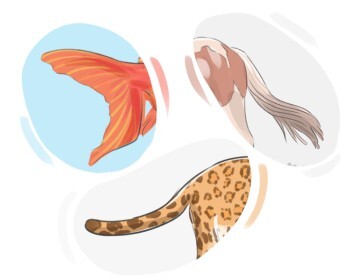
морской огурец

Закрыть
Войти
tail
tail
[существительное]

the part of the body of an animal, a bird or a fish that sticks out at the back, which can move

хвост

хвост

Ex: The peacock proudly displays its colorful tail feathers.

Павлин гордо демонстрирует свои красочные перья хвоста.

Закрыть
Войти
to sail
to sail
[глагол]

to move smoothly and gracefully with sweeping or gliding motions

скользить, парить

скользить, парить

Ex: The ballet dancer leaped and twirled, appearing to sail through the air with incredible lightness and grace.

Балерина подпрыгнула и закружилась, казалось, что она скользит по воздуху с невероятной лёгкостью и грацией.

Закрыть
Войти
deep-sea
deep-sea
[прилагательное]

of or taking place in the deeper parts of the sea

глубоководный, морских глубин

глубоководный, морских глубин

Закрыть
Войти
mining
mining
[существительное]

the process of extracting valuable minerals or other materials from the earth

добыча полезных ископаемых, горное дело

добыча полезных ископаемых, горное дело

Ex: The industry of mining has led to both economic growth and environmental challenges .

Горнодобывающая промышленность привела как к экономическому росту, так и к экологическим проблемам.

Закрыть
Войти
bacteria
bacteria
[существительное]

(microbiology) single-celled microorganisms that can be found in various environments, including soil, water, and living organisms, and can be beneficial, harmful, or neutral

бактерия

бактерия

Ex: Proper handwashing helps prevent the spread of bacteria and viruses .

Правильное мытье рук помогает предотвратить распространение бактерий и вирусов.

Закрыть
Войти
ocean floor
ocean floor
[существительное]

the bottom of a sea or ocean

океанское дно, дно океана

океанское дно, дно океана

Закрыть
Войти
superbug
superbug
[существительное]

a type or variety of bacteria or virus that has developed a resistance to multiple types of antibiotics or other treatments, making it difficult to control or eliminate

супербактерия, множественно устойчивая бактерия

супербактерия, множественно устойчивая бактерия

Ex: Without new medications , superbugs could become a serious global health threat .

Без новых лекарств супербактерии могут стать серьезной угрозой для глобального здравоохранения.

Закрыть
Войти
habitat
habitat
[существительное]

the place or area in which certain animals, birds, or plants naturally exist, lives, and grows

среда обитания, местообитание

среда обитания, местообитание

Ex: Cacti are well adapted to the dry habitat of the desert .

Кактусы хорошо приспособлены к сухому местообитанию пустыни.

Закрыть
Войти
at risk
at risk
[фраза]

prone to danger or harm

подвержен риску

подвержен риску

Ex: If we go to war, innocent lives will be put at risk.
Закрыть
Войти
microbe
microbe
[существительное]

a very small living organism that cannot be seen without a microscope and can cause a disease

микроб
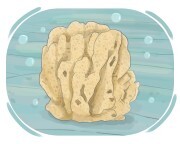
микроб

Закрыть
Войти
sponge
sponge
[существительное]

a marine invertebrate with a body full of holes through which water can circulate and nutrients can be absorbed

губка

губка

Закрыть
Войти
pathogenic
pathogenic
[прилагательное]

capable of causing disease

патогенный, вредоносный

патогенный, вредоносный

Ex: Pathogenic organisms can make you sick .

Патогенные организмы могут сделать вас больным.

Закрыть
Войти
bug
bug
[существительное]

a tiny living organism that can cause disease

вирус, микробы

вирус, микробы

Ex: A stomach bug kept him home from work .

Желудочный микроб удержал его дома от работы.

Закрыть
Войти
laboratory
laboratory
[существительное]

a place where people do scientific experiments, manufacture drugs, etc.

лаборатория

лаборатория

Ex: Food scientists work in laboratories to develop new food products and improve food safety standards .

Пищевые ученые работают в лабораториях, чтобы разрабатывать новые продукты питания и повышать стандарты безопасности пищевых продуктов.

Закрыть
Войти
breakthrough
breakthrough
[существительное]

an important discovery or development that helps improve a situation or answer a problem

прорыв

прорыв

Ex: The breakthrough in negotiations between the two countries paved the way for lasting peace in the region .

Прорыв в переговорах между двумя странами проложил путь к прочному миру в регионе.

Закрыть
Войти
antibiotic
antibiotic
[существительное]

a medicine that kills or stops the growth of bacteria

антибиотик

антибиотик

Ex: The pharmacy stocked several types of antibiotics.

В аптеке имелось несколько видов антибиотиков.

Закрыть
Войти
resistant
resistant
[прилагательное]

not easily affected by external influences or forces

устойчивый, водостойкий

устойчивый, водостойкий

Ex: His mindset remained resistant to negativity , allowing him to stay positive in challenging situations .

Его мышление оставалось устойчивым к негативу, что позволяло ему оставаться позитивным в сложных ситуациях.

Закрыть
Войти
further
further
[наречие]

at or to a more advanced point or stage

далее

далее

Ex: The technology has advanced further since the initial release of the product .

Технология продвинулась дальше с момента первоначального выпуска продукта.

Закрыть
Войти
to confirm
to confirm
[глагол]

to show or say that something is the case, particularly by providing proof

подтверждать

подтверждать

Ex: His research confirmed the hypothesis he had proposed earlier .

Его исследование подтвердило гипотезу, которую он предложил ранее.

Закрыть
Войти
trough
trough
[существительное]

(geology) a long, narrow depression or hollow, often occurring naturally, such as in the landscape or ocean floor

жёлоб

жёлоб

Ex: The troughs and ridges of sand dunes shift continuously in the desert as a result of wind erosion and deposition .

Впадины и гребни песчаных дюн постоянно смещаются в пустыне в результате ветровой эрозии и отложения.

Закрыть
Войти
previously
previously
[наречие]

before the present moment or a specific time

раньше

раньше

Ex: The project had been proposed and discussed previously by the team , but no concrete plans were made .

Проект был предложен и обсужден ранее командой, но конкретные планы не были составлены.

Закрыть
Войти
operated
operated
[прилагательное]

controlled or made to work by a particular method or system

работающий от батареи, батарейный

работающий от батареи, батарейный

Ex: The voice-operated assistant responded to commands.

Голосовой управляемый помощник отвечал на команды.

Закрыть
Войти
term
term
[существительное]

a single word or group of words used to name or define something

термин

термин

Ex: The term " climate change " has become widely recognized .

Термин "изменение климата" стал широко признанным.

Закрыть
Войти
undocumented
undocumented
[прилагательное]

not recorded or officially recognized

недокументированный, незарегистрированный

недокументированный, незарегистрированный

Ex: The artist 's early work remains mostly undocumented.

Ранние работы художника остаются в основном недокументированными.

Закрыть
Войти
prospecting
prospecting
[существительное]

the act of searching for valuable things like minerals, oil, or opportunities

разведка, поиск

разведка, поиск

Ex: They spent months on prospecting before finding a good location.

Они потратили месяцы на разведку, прежде чем найти хорошее место.

Закрыть
Войти
bioactive
bioactive
[прилагательное]

having an effect on living organisms, tissues, or cells

биоактивный, биологически активный

биоактивный, биологически активный

Ex: Bioactive molecules can fight harmful bacteria.

Биоактивные молекулы могут бороться с вредными бактериями.

Закрыть
Войти
LanGeek
Скачать приложение LanGeek