
Cambridge IELTS 19 - Academic - Test 2 - Lectură - Pasajul 1 (2)
Learn vocabulary from the second part of Cambridge IELTS 19 Academic, Test 2 Reading Passage 1, with useful words and expressions from the text.
Revizuire
Fișe de studiu
forme
Ortografie
Chestionar


a small-scale business or manufacturing activity that is done at home or in small workshops, often by individuals or families

industrie casnică, industrie la scară mică
Regiunea este cunoscută pentru industria casnică de ceramică făcută manual.
to carry out or execute a task, duty, action, or ceremony, often in a formal or official capacity
efectua, executa
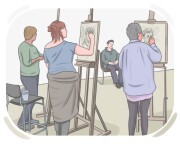
a building or room in which particular goods are made or fixed by different means
atelier, workshop
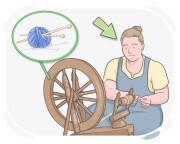
a person who spins fibers, such as wool, cotton, or silk, into yarn or thread using various tools
torcător, torcătoare
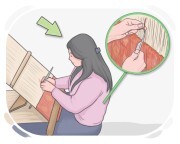
a skilled craftsman or craftswoman who creates woven fabrics and textiles by interlacing threads or yarns on a loom using various techniques and patterns
țesător, țesătoare
a person who dyes or colors fabrics or materials, often as a profession
vopsitor, colorist
Vopsitorul a lucrat cu coloranți naturali pentru a vopsi materialul.
a machine invented in the 18th century that spins multiple threads at once, making the process of producing yarn much faster and more efficient
Spinning jenny, Mașina de tors jenny
Spinning jenny a ajutat la creșterea producției de fire în timpul Revoluției Industriale.
a mechanical device used in weaving fabric, which makes the process faster and more efficient than hand weaving
război de țesut mecanic, război de țesut acționat de mașină
Multe fabrici au înlocuit războielele de țesut manuale cu războiele de țesut mecanice pentru a crește producția.
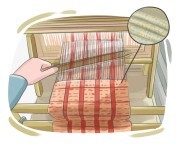
the process of interlacing two sets of yarn or thread, called the warp and the weft, using a loom or other weaving device, to create fabric or textiles
țesut, împletitură
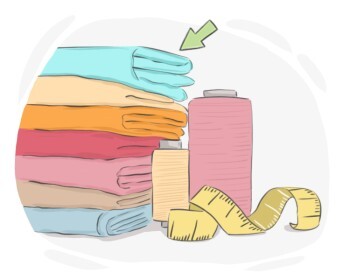
material made by weaving, knitting, or otherwise forming fibers, especially for making clothes or household items
stofă, pânză
the process of manually or mechanically twisting fibers such as wool, cotton, silk, or synthetic materials, into yarn or thread that can be used for various textile applications
filare, răsucire
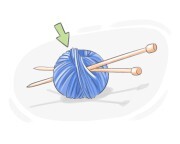
a long continuous length of fibers that have been spun together to be used in knitting, weaving, or sewing
fire, lână
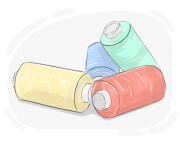
a thin cord of twisted fibers used especially for sewing or weaving
fir, ață
work, particularly difficult physical work
muncă, osteneală
using machines to perform tasks that were previously done by hand
mecanizat, automatizat
Ferma mecanizată utilizează mașini pentru a planta și a recolta culturile.

a person, organization, company, etc. that pays to get things from businesses or stores
client, cumpărător
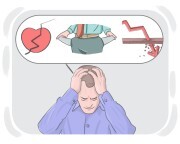
to experience or be subjected to a process, change, treatment, or event
a suferi, a trece prin
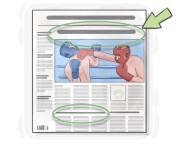
serious and of great importance
important, grav
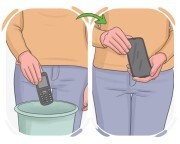
to accept, embrace, or incorporate a particular idea, practice, or belief into one's own behavior or lifestyle
adopta, îmbrățișa
the most prominent part of something
principal, partea cea mai importantă
a rock that contains valuable mineral or metal
minereu, mineral
Mina produce minereu de fier pentru fabricarea oțelului.
a type of fuel made by heating coal in the absence of air, which results in a solid material high in carbon
cocs, cărbune cocs
Fabrica ardea cocs pentru a genera temperaturi ridicate.

to raise the temperature of something
încălzi, încinge
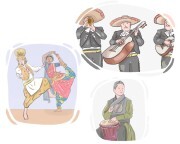
belonging to or following the methods or thoughts that are old as opposed to new or different ones
tradițional, clasic
Restaurantul oferă un meniu tradițional, concentrându-se pe mâncăruri familiare de comfort, mai degrabă decât pe preparate la modă.

a hard black substance consisting of an amorphous form of carbon which is made by slowly burning wood and is used as fuel or for drawing
cărbune de lemn, cărbune
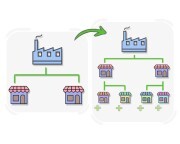
to become something greater in quantity, importance, or size
extinde, mări
as a reaction or answer to something
ca răspuns la, ca reacție la
Ca răspuns la feedbackul clienților, compania lansează un produs nou și îmbunătățit.
an increase in the amount, size, importance, or degree of something
expansiune, extindere
a system or network of tracks with the trains, organization, and people needed to operate them
cale ferată, linie feroviară
used to refer to the second of two individuals or things mentioned in a preceding statement
acesta din urmă
to be the setting or time of an event
vedea, asista

progress or improvement in a particular area
progres, avans
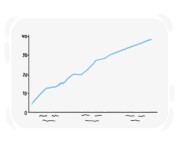
in a manner that is gradually growing in degree, extent, or frequency over time
din ce în ce mai mult
Compania investește din ce în ce mai mult în practici sustenabile.
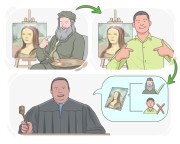
to obtain legal protection for an invention by securing a patent
patenta, obține brevet
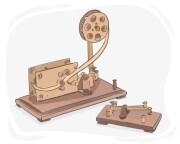
a device used to send messages over long distances through wires using electrical signals, often in the form of Morse code
telegrafie, telegraf
Telegrafia a fost un instrument de comunicare important în secolul al XIX-lea.

a way, system, object, etc. through which one can achieve a goal or accomplish a task
mijloc, unealtă
an accident that occurs when two or more objects, often in motion, come into violent contact with each other, resulting in damage or destruction
coliziune, accident
Coliziunea dintre cele două mașini a rezultat în daune semnificative pentru ambele vehicule.
extremely vast in degree or intensity
imens, enorm
Proiectul a necesitat o cantitate imensă de efort și dedicare din partea tuturor celor implicați.
to rise in amount, rate, etc.
accelera, crește
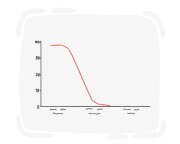
to a significantly large extent or by a considerable amount
dramatic, considerabil
Profiturile companiei au crescut spectaculos după schimbările strategice.
the process of developing and expanding industries within a region or country, involving the increased production of goods through the use of advanced machinery, technology, and organized labor
industrializare, dezvoltare industrială
Revoluția Industrială a marcat o perioadă de profundă industrializare, introducând metode de producție mecanizate.
an increase in something's number, amount, size, power, or value
creștere, spor
to make something change and become something else
a transforma în, a converti în
Vremea caldă a transformat zăpada în noroi.
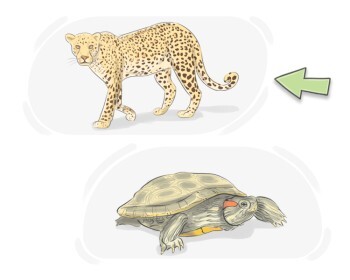
occurring or moving with great speed
rapid, iute
the process of people moving from rural areas to urban areas, resulting in the growth of cities and the expansion of urban areas
urbanizare, dezvoltare urbană
Urbanizarea rapidă a schimbat multe orașe mici.
important or great enough to be noticed or have an impact
important, semnificativ
Descoperirea artefactului antic a fost semnificativă pentru înțelegerea istoriei regiunii.
(of a space or area) filled with too many people or things, causing discomfort or lack of space
supraaglomerat, aglomerat
Străzile aglomerate au făcut dificilă găsirea unui loc de parcare.
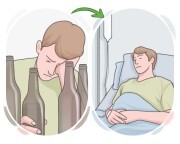
to experience and be affected by something bad or unpleasant
suferi, îndura
the condition or state in which something such as air, water, or land is polluted
poluare, contaminare
not good enough in quality, skill, or performance for what is required
insuficient, inadecvat
the condition or practice of maintaining clean and healthy environments, especially in public places, to prevent the spread of disease
sanitație, igienă publică
Sanitarea corespunzătoare este esențială pentru menținerea sănătății publice.
cloth or material made from the wool of sheep or other animals
lână, stofă de lână
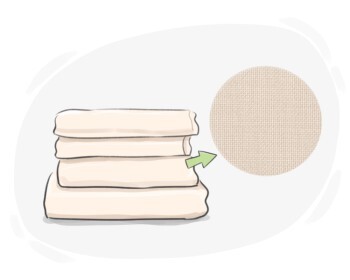
cloth that is made from the fibers of a plant called flax, used to make fine clothes, etc.
in, pânză de in
Meșterul a brodat modele intricate pe șervețelele de in, adăugând o notă personalizată experienței culinare.
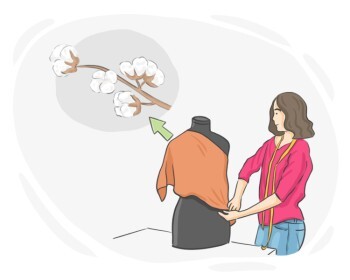
cloth made from the fibers of the cotton plant
bumbac, țesătură de bumbac
happening or existing before something else
anterior, precedent

relating to the country, people, or culture of the United Kingdom
britanic
foreign countries outside one's own country
străinătate, țări străine
Știrile din străinătate se răspândesc rapid astăzi.
the process of heating and melting rocks or ores to take out metals from them
topire, fuziune
Satul avea un loc pentru topirea metalelor.
relating to Napoleon Bonaparte, the French military leader and emperor, or the period during his rule
napoleonian, referitor la Napoleon Bonaparte
Influența napoleoniană s-a răspândit în Europa prin cuceririle sale.
the act of sending or receiving messages or information through gestures, sounds, or symbols to communicate over a distance
semnalizare, emiterea de semnale
A folosit semne manuale pentru a direcționa traficul în timpul construcției.
