
Cambridge IELTS 19 - Academic - Test 2 - Čtení - Pasáž 1 (2)
Učte se slovní zásobu z druhé části Cambridge IELTS 19 Academic, Test 2 Reading Passage 1, s užitečnými slovy a výrazy z textu.
Revize
Kartičky
tvary
Pravopis
Kvíz


a small-scale business or manufacturing activity that is done at home or in small workshops, often by individuals or families

domácká výroba, malovýroba
V minulosti mnoho rodin pracovalo v domácích průmyslových odvětvích vyrábějících textil.
to carry out or execute a task, duty, action, or ceremony, often in a formal or official capacity
provádět, vykonávat

a building or room in which particular goods are made or fixed by different means
dílna, workshop
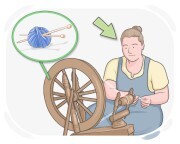
a person who spins fibers, such as wool, cotton, or silk, into yarn or thread using various tools
přadlen, přadlena
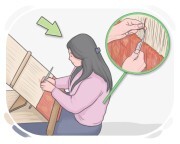
a skilled craftsman or craftswoman who creates woven fabrics and textiles by interlacing threads or yarns on a loom using various techniques and patterns
tkadlec, tkadlenka
a person who dyes or colors fabrics or materials, often as a profession
barvíř, kolorista
Mnoho barvířů používalo rostliny a minerály k výrobě svých barviv.
a machine invented in the 18th century that spins multiple threads at once, making the process of producing yarn much faster and more efficient
Spinning jenny, Přádelnický stroj jenny
Vynález spinning jenny změnil způsob výroby látek.
a mechanical device used in weaving fabric, which makes the process faster and more efficient than hand weaving
mechanický tkalcovský stav, strojem poháněný tkalcovský stav
Mechanický tkalcovský stav využívá elektřinu k provozu a tkaní látky.
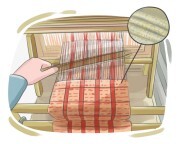
the process of interlacing two sets of yarn or thread, called the warp and the weft, using a loom or other weaving device, to create fabric or textiles
tkaní, pletivo
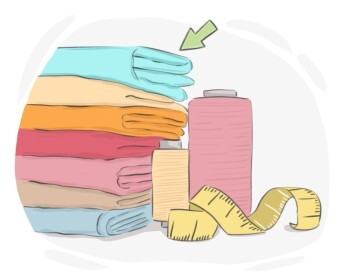
material made by weaving, knitting, or otherwise forming fibers, especially for making clothes or household items
látka, tkanina
the process of manually or mechanically twisting fibers such as wool, cotton, silk, or synthetic materials, into yarn or thread that can be used for various textile applications
předení, kroucení
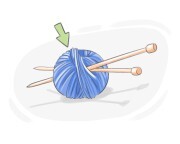
a long continuous length of fibers that have been spun together to be used in knitting, weaving, or sewing
příze, vlna

a thin cord of twisted fibers used especially for sewing or weaving
nit, vlákno
work, particularly difficult physical work
práce, dřina
using machines to perform tasks that were previously done by hand
mechanizovaný, automatizovaný
Mechanizované zemědělství výrazně zvýšilo produkci plodin.

a person, organization, company, etc. that pays to get things from businesses or stores
zákazník, kupující
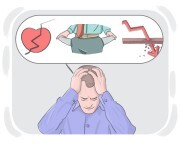
to experience or be subjected to a process, change, treatment, or event
procházet, podrobit se

serious and of great importance
důležitý, vážný
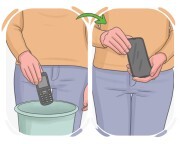
to accept, embrace, or incorporate a particular idea, practice, or belief into one's own behavior or lifestyle
přijmout, osvojit si
the most prominent part of something
hlavní, nejvýznamnější část
a rock that contains valuable mineral or metal
ruda, minerál
Geolog identifikoval rudu jako bauxit, zdroj hliníku.
a type of fuel made by heating coal in the absence of air, which results in a solid material high in carbon
koks, koksové uhlí
Koks se používá k ohřevu pecí v ocelárnách.

to raise the temperature of something
zahřívat, ohřívat
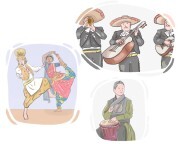
belonging to or following the methods or thoughts that are old as opposed to new or different ones
tradiční, klasický
Tradiční dress code společnosti vyžaduje formální oblečení, zatímco jiná pracoviště přijímají uvolněné politiky.

a hard black substance consisting of an amorphous form of carbon which is made by slowly burning wood and is used as fuel or for drawing
dřevěné uhlí, uhlí
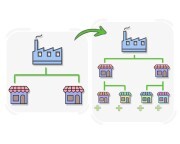
to become something greater in quantity, importance, or size
rozšířit, zvětšit
as a reaction or answer to something
v reakci na, jako odpověď na
V reakci na obdržené zpětné vazby jsme provedli několik vylepšení produktu.
an increase in the amount, size, importance, or degree of something
expanze, rozšíření
a system or network of tracks with the trains, organization, and people needed to operate them
železnice, železniční trať
used to refer to the second of two individuals or things mentioned in a preceding statement
ten druhý
to be the setting or time of an event
vidět, být svědkem

progress or improvement in a particular area
pokrok, postup
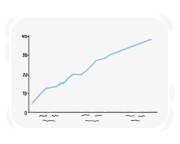
in a manner that is gradually growing in degree, extent, or frequency over time
stále více
Složitost projektu je stále více náročná a vyžaduje více zdrojů.

to obtain legal protection for an invention by securing a patent
patentovat, získat patent
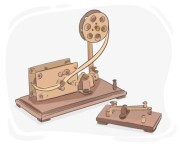
a device used to send messages over long distances through wires using electrical signals, often in the form of Morse code
telegrafie, telegraf
Telegrafie nahradila pomalejší formy komunikace, jako jsou dopisy.

a way, system, object, etc. through which one can achieve a goal or accomplish a task
prostředek, nástroj
an accident that occurs when two or more objects, often in motion, come into violent contact with each other, resulting in damage or destruction
kolize, nehoda
Na parkovišti došlo k menší kolizi, když dvě auta couvala do sebe.
extremely vast in degree or intensity
obrovský, nesmírný
Úleva, kterou pocítili po uslyšení dobré zprávy, byla nesmírná, jako by jim z ramen spadla obrovská tíha.
to rise in amount, rate, etc.
zrychlit, zvýšit se
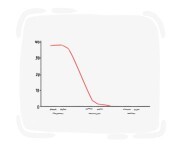
to a significantly large extent or by a considerable amount
dramaticky, výrazně
Její nálada se během několika minut dramaticky změnila.
the process of developing and expanding industries within a region or country, involving the increased production of goods through the use of advanced machinery, technology, and organized labor
industrializace, průmyslový rozvoj
Industrializace často doprovází urbanizaci, když se lidé stěhují do měst, aby hledali práci v továrnách.
an increase in something's number, amount, size, power, or value
nárůst, zvýšení
to make something change and become something else
přeměnit na, převést na
Jeho povzbudivá slova proměnila její smutek v štěstí.
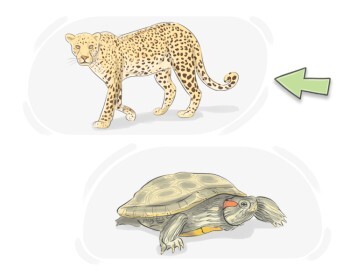
occurring or moving with great speed
rychlý, bystrý
the process of people moving from rural areas to urban areas, resulting in the growth of cities and the expansion of urban areas
urbanizace, rozvoj měst
Kniha pojednává o historii urbanizace.
important or great enough to be noticed or have an impact
významný, podstatný
Rozhodnutí společnosti expandovat na mezinárodní trhy bylo významné pro její růstovou strategii.
(of a space or area) filled with too many people or things, causing discomfort or lack of space
přeplněný, přelidněný
Vlak byl přeplněný, a sotva bylo dost místa k stání.
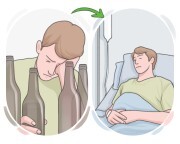
to experience and be affected by something bad or unpleasant
trpět, snášet
the condition or state in which something such as air, water, or land is polluted
znečištění, kontaminace
not good enough in quality, skill, or performance for what is required
nedostatečný, neadekvátní
the condition or practice of maintaining clean and healthy environments, especially in public places, to prevent the spread of disease
sanitace, veřejná hygiena
Sanitace v komunitě zahrnuje nakládání s odpady a čištění odpadních vod.
cloth or material made from the wool of sheep or other animals
vlna, vlněná látka
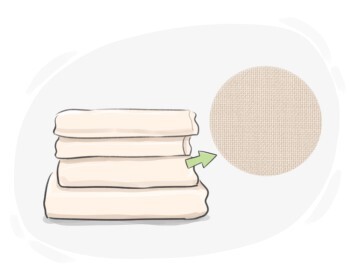
cloth that is made from the fibers of a plant called flax, used to make fine clothes, etc.
len, lněné plátno
Oblékla si jednoduché lněné šaty, užívajíc si prodyšnost a pohodlí látky v horkém letním dni.
cloth made from the fibers of the cotton plant
bavlna, bavlněná tkanina
happening or existing before something else
předchozí, předcházející

relating to the country, people, or culture of the United Kingdom
britský
foreign countries outside one's own country
zahraničí, cizí země
Zboží dovážené ze zahraničí je obvykle drahé.
the process of heating and melting rocks or ores to take out metals from them
tavení, výroba
Tavení železa bylo v dávných dobách důležité.
relating to Napoleon Bonaparte, the French military leader and emperor, or the period during his rule
napoleonský, vztahující se k Napoleonovi Bonapartovi
Napoleonské bitvy byly často poznamenány taktickou inovací a velkými armádami.
the act of sending or receiving messages or information through gestures, sounds, or symbols to communicate over a distance
signalizace, vysílání signálů
Signalizace mezi loděmi jim umožnila komunikovat v mlze.
