


to officially take possession or control of something, typically for military or governmental purposes, often without the consent of the owner

реквизировать
Во время чрезвычайной ситуации военное командование реквизирует гражданские транспортные средства для доставки грузов в пострадавшие районы.

to recall and show respect for an important person, event, etc. from the past with an action or in a ceremony
почтить память
Город проводит ежегодную церемонию, чтобы почтить память жертв ветеранов войны.

to speak positively about someone or something and suggest their suitability
хвалить
Признавая их приверженность устойчивому развитию и качеству, я искренне рекомендую вам этот экологически чистый бренд для вашей следующей покупки.
suitable in comparison to something else, like quality, extent, size, etc.
соизмеримый
Её зарплата была соразмерна её уровню опыта и ответственности.

a series of explanations or critiques that offer insights or interpretations on a subject or text
комментарий
Комментарий историка к древней рукописи дал контекст её значению.

to thoroughly mix different things together
смешивать
Художник умело смешал различные художественные стили, чтобы создать уникальный и захватывающий шедевр.
to officially prepare a warship for active duty
ввести в эксплуатацию
Флот ввел в эксплуатацию новый эсминец в прошлом месяце.
the state of being dedicated to someone or something
приверженность
Его преданность учебе принесла ему высшие награды и стипендию в престижном университете.
the formal act of sending a person to a mental health facility, prison, or similar institution, often following legal proceedings
заключение под стражу
Судья вынес постановление о помещении, предписывающее перевод обвиняемого в психиатрическое учреждение для дальнейшего обследования.
a sudden and noisy confusion
суматоха, сумятица
В коридоре поднялся сильный шум, когда сработала пожарная сигнализация.
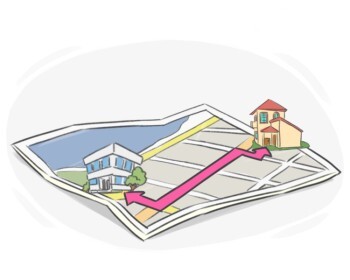
to regularly travel to one's place of work and home by different means
ездить на работу и обратно
Введение корпоративного автобуса облегчило поездки сотрудников.
refusal to obey someone with authority
неповиновение
Его неповиновение указаниям учителя вызвало нарушение в классе.
refusing or failing to follow rules, orders, or instructions, often showing resistance to authority
непослушный
Непослушный ребенок отказался ложиться спать, когда его родители сказали ему это сделать.

to refuse to acknowledge or deny any connection or identification with someone, typically resulting in the termination of familial or personal ties
отречься
Отречение от члена семьи может быть болезненным и необратимым решением.
to speak negatively about someone, often shaming them
умалять, унижать
Он часто принижает своих коллег во время командных встреч, создавая негативную атмосферу.
not letting one's emotions influence one's judgment and decisions, thus able to stay rational and fair
бесстрастный
Её беспристрастный анализ данных помог ей принять объективные решения.
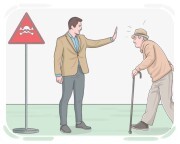
to stop or prevent something from happening
препятствовать
Строгие меры безопасности на месте исключают несанкционированный вход в ограниченную зону.
(of a child) displaying developed abilities or mental qualities at an unusually young age
рано развившийся
Рано развившийся мальчик мог читать книги, предназначенные для детей старшего возраста, впечатляя своих учителей.
someone or something that comes before another of the same type, acting as a sign of what will come next
предшественник
Изобретение телеграфа было предшественником современных технологий связи.
to appear or occur before something else in a sequence or arrangement
предварять
Закуска должна предшествовать основному блюду на ужине.
