


to officially take possession or control of something, typically for military or governmental purposes, often without the consent of the owner

rekwirować, konfiskować
Policja zarekwirowała pobliską budowlę, aby podczas kryzysu utworzyć tymczasowe centrum dowodzenia.
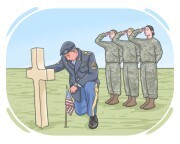
to recall and show respect for an important person, event, etc. from the past with an action or in a ceremony
upamiętniać, wspominać
Zorganizowano specjalne wydarzenie, aby upamiętnić przełomowe odkrycie naukowca.

to speak positively about someone or something and suggest their suitability
rekomendować, chwalić
Będąc świadkiem jego niestrudzonej etyki pracy i innowacyjnych pomysłów, z całego serca polecam go Panu do wymagającego projektu.
suitable in comparison to something else, like quality, extent, size, etc.
odpowiedni, współmierny
Wielkość zespołu jest współmierna do skali projektu, nad którym pracują.

a series of explanations or critiques that offer insights or interpretations on a subject or text
komentarz, analiza
Komentarz do przemówienia politycznego podkreślił jego sprzeczności.

to thoroughly mix different things together
mieszać, łączyć
Doradca finansowy zalecił strategię, która zmieszałaby inwestycje wysokiego i niskiego ryzyka dla zrównoważonego portfela.
to officially prepare a warship for active duty
wprowadzić do służby, komisjonować
Marynarka wojenna planuje wprowadzić do służby dwie fregaty do końca roku.
the state of being dedicated to someone or something
zaangażowanie, oddanie
Organizacja wykazała się zaangażowaniem w zrównoważony rozwój środowiskowy, zmniejszając swój ślad węglowy.
the formal act of sending a person to a mental health facility, prison, or similar institution, often following legal proceedings
zobowiązanie, umieszczenie
Adwokat obrońcy starał się zapobiec zobowiązaniu swojego klienta, argumentując za alternatywnymi opcjami wyroku, takimi jak probacja.
a sudden and noisy confusion
zamieszanie, hałas
W sali sądowej wybuchła awantura, gdy werdykt został niespodziewanie ogłoszony.
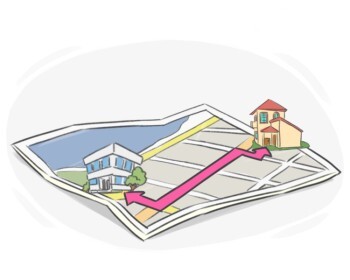
to regularly travel to one's place of work and home by different means
dojeżdżać do pracy, regularnie podróżować do pracy
Polityka pracy zdalnej znacznie zmniejszyła potrzebę codziennego dojazdu pracowników.
refusal to obey someone with authority
nieposłuszeństwo, bunt
Spotkała ją kara za nieposłuszeństwo wobec godziny policyjnej rodziców.
refusing or failing to follow rules, orders, or instructions, often showing resistance to authority
nieposłuszny, buntowniczy
Nauczyciel musiał zadzwonić do rodziców nieposłusznego ucznia, który wielokrotnie zakłócał lekcje.
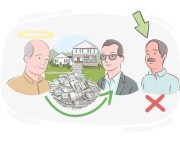
to refuse to acknowledge or deny any connection or identification with someone, typically resulting in the termination of familial or personal ties
wyrzec się, odrzucić
Decyzja o wyrzeczeniu się krewnego jest często podsycana załamaniem się zaufania lub wartości.
to speak negatively about someone, often shaming them
umniejszać, oczerniać
Bez odpowiednich dowodów byłoby niesprawiedliwe szkalować czyjś charakter.
not letting one's emotions influence one's judgment and decisions, thus able to stay rational and fair
bezstronny, chłodny
Beznamiętne zachowanie sędziego podczas procesu przyczyniło się do sprawiedliwego i bezstronnego wyroku.
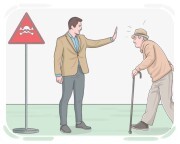
to stop or prevent something from happening
uniemożliwiać, wykluczać
Odpowiednie przygotowanie zapobiegłoby nieporozumieniom podczas ważnego spotkania.
(of a child) displaying developed abilities or mental qualities at an unusually young age
przedwcześnie rozwinięty, wczesny
Jego przedwczesny talent do gry na pianinie przyniósł mu stypendium w prestiżowej szkole muzycznej.
someone or something that comes before another of the same type, acting as a sign of what will come next
prekursor, zapowiedź
Odkrycie tego starożytnego narzędzia jest uważane za prekursor nowoczesnych maszyn.
to appear or occur before something else in a sequence or arrangement
poprzedzać, wyprzedzać
Jego nazwisko poprzedza jej na liście zaproszonych.
