
Lista de palabras SAT 4 - Lección 17
Revisión
Tarjetas de memoria
formas
Ortografía
Cuestionario

to officially take possession or control of something, typically for military or governmental purposes, often without the consent of the owner

requisar
Los rebeldes intentaron requisar la estación de radio para transmitir su mensaje al público.
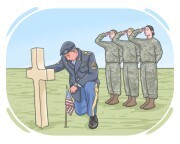
to recall and show respect for an important person, event, etc. from the past with an action or in a ceremony
conmemorar
Las familias a menudo visitan los cementerios para conmemorar a sus seres queridos en el Día de los Caídos.

to speak positively about someone or something and suggest their suitability
recomendar
Habiendo sido testigo de su incansable ética de trabajo e ideas innovadoras, lo recomiendo encarecidamente para el proyecto desafiante.
suitable in comparison to something else, like quality, extent, size, etc.
proporcional
Su título de trabajo es proporcionado a su amplia experiencia en el campo.

a series of explanations or critiques that offer insights or interpretations on a subject or text
comentario

to thoroughly mix different things together
mezclarse
El chef decidió mezclar varias hierbas y especias para realzar el sabor del plato.
to officially prepare a warship for active duty
nombrar oficial

the state of being dedicated to someone or something
compromiso
the formal act of sending a person to a mental health facility, prison, or similar institution, often following legal proceedings
internamiento
El profesional de la salud mental recomendó el ingreso del paciente en un hospital psiquiátrico debido a preocupaciones sobre su bienestar.
a sudden and noisy confusion
conmoción
El alboroto en la multitud aumentó cuando el concierto estaba a punto de comenzar.
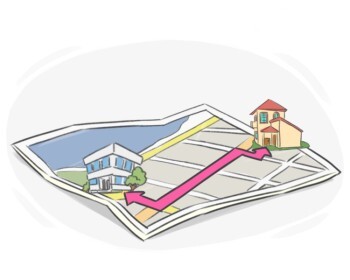
to regularly travel to one's place of work and home by different means
viajar diariamente al trabajo
Viviendo en los suburbios, tienen que desplazarse en coche.
refusal to obey someone with authority
desobediencia
Los actos de desobediencia a veces pueden desencadenar movimientos más grandes para el cambio.
refusing or failing to follow rules, orders, or instructions, often showing resistance to authority
desobediente
Los soldados fueron castigados por ser desobedientes y no seguir las órdenes de su oficial al mando.
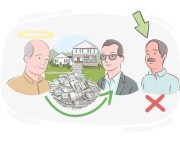
to refuse to acknowledge or deny any connection or identification with someone, typically resulting in the termination of familial or personal ties
repudiar
La decisión de repudiar a un familiar a menudo está impulsada por una ruptura en la confianza o los valores.
to speak negatively about someone, often shaming them
menospreciar, despreciar
En el próximo debate, ambos candidatos pueden intentar desacreditar las políticas del otro.
not letting one's emotions influence one's judgment and decisions, thus able to stay rational and fair
desapasionado
La revisión imparcial del proyecto destacó tanto las fortalezas como las debilidades sin sesgo.
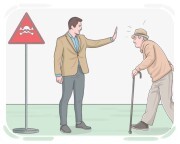
to stop or prevent something from happening
impedir
Una planificación adecuada impedirá problemas potenciales durante el próximo proyecto.
(of a child) displaying developed abilities or mental qualities at an unusually young age
precoz
El niño precoz asombró a todos con su capacidad para resolver problemas matemáticos complejos a la edad de cinco años.
someone or something that comes before another of the same type, acting as a sign of what will come next
precursor
Las nubes oscuras eran un precursor de la tormenta que se acercaba.
to come before something else in an order, sequence, or arrangement
preceder
