Книга Total English - Средний - Раздел 8 - Словарный запас
Здесь вы найдете слова из Раздела 8 - Словарный запас в учебнике Total English Intermediate, такие как "создание", "невежество", "нанимать" и т.д.
Обзор
Флэш-карточки
формы
Правописание
Тест

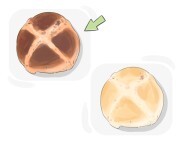
to cook food for too long or at too high a temperature, resulting in a loss of flavor, texture, or nutritional value

пережаривать
Будьте осторожны, чтобы не пережарить овощи, иначе они станут мягкими.

to process a photographic film or print for less time than is necessary to achieve a fully developed image
недопроявлять

not truthful or trustworthy, often engaging in immoral behavior
нечестный
Его поймали на том, что он был нечестен относительно своего участия в инциденте.
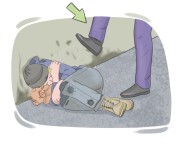
lacking compassion, empathy, or decency, often being cruel or brutal
бесчеловечный
Бечеловечное обращение с заключёнными шокировало международное сообщество.
the act of bringing something into existence
творение
Творение художника восхищало всех.
a society that has developed its own culture and institutions in a particular period of time or place
цивилизация
Древний Египет считается одной из величайших цивилизаций в истории.
the ability to correctly utilize thought and reason, learn from experience, or to successfully adapt to the environment
интеллект, разум
Интеллект играет ключевую роль в решении сложных проблем.
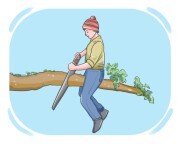
the fact or state of not having the necessary information, knowledge, or understanding of something
незнание
Его невежество в этом вопросе было очевидным, когда он давал неправильные ответы во время обсуждения.
a collective of individuals united by shared beliefs or ideology, working toward general social, political, or cultural goals
движение
Феминистское движение выступает за права женщин.

the quality of having little or almost no light
темнота
Темнота в комнате делала невозможным найти что-либо без фонарика.
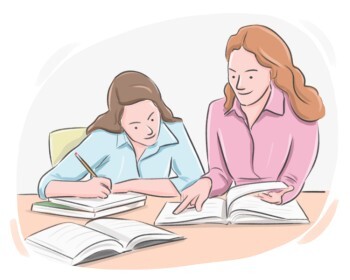
to teach someone, often within a school or university setting
обучать, давать образование
Школы существуют, чтобы обучать детей.

to give work to someone and pay them
нанимать
Планируете ли вы нанимать стажеров этим летом?
to give support to someone
приспособить
Организация была создана для поддержки ветеранов, возвращающихся к гражданской жизни, с помощью профессионального обучения и консультаций.
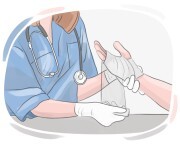
to provide medical care such as medicine or therapy to heal injuries, illnesses, or wounds and make someone better
лечить, ухаживать
Первая помощь оказывается для лечения незначительных травм и ран.
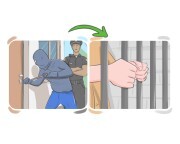
to cause someone suffering for breaking the law or having done something they should not have
наказывать
Политика компании обычно определяет последствия для наказания сотрудников за неэтичное поведение на рабочем месте.
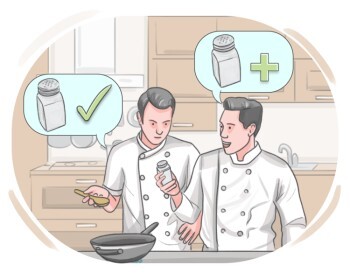
having a lot of value
важный
Важный вопрос на данный момент - обеспечение безопасности рабочих.
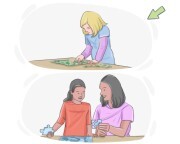
able to do things as one wants without needing help from others
независимый
Она независимая женщина, способная принимать собственные решения и заботиться о себе.
to regulate or control a person, course of action or event or the way something happens
управлять
Новые законы будут регулировать, как компании могут обрабатывать данные клиентов, чтобы обеспечить конфиденциальность и безопасность.