Cartea Total English - Intermediar - Unitatea 8 - Vocabular
Aici veți găsi cuvintele din Unitatea 8 - Vocabular în manualul Total English Intermediate, cum ar fi "creație", "ignoranță", "angaja", etc.
Revizuire
Fișe de studiu
forme
Ortografie
Chestionar
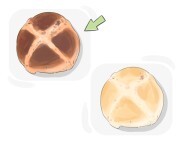
to cook food for too long or at too high a temperature, resulting in a loss of flavor, texture, or nutritional value

găti prea mult, supragăti
Aveți grijă să nu gătiți prea mult legumele, deoarece vor deveni moi.

to process a photographic film or print for less time than is necessary to achieve a fully developed image
subdezvolta, developa insuficient

not truthful or trustworthy, often engaging in immoral behavior
necinstit, înșelător
A fost prins fiind necinstit cu privire la implicarea sa în incident.
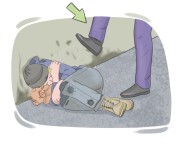
lacking compassion, empathy, or decency, often being cruel or brutal
inhuman, crud
Tratamentul inum al prizonierilor a șocat comunitatea internațională.
the act of bringing something into existence
creație, operă
Crearea artistului a fost admirată de toată lumea.
a society that has developed its own culture and institutions in a particular period of time or place
civilizație, societate
Egiptul antic este considerat una dintre cele mai mari civilizații din istorie.
the ability to correctly utilize thought and reason, learn from experience, or to successfully adapt to the environment
inteligență
Inteligența joacă un rol cheie în rezolvarea problemelor complexe.
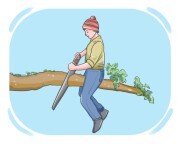
the fact or state of not having the necessary information, knowledge, or understanding of something
ignoranță
Ignoranța lui cu privire la subiect era evidentă când a dat răspunsuri incorecte în timpul discuției.
a collective of individuals united by shared beliefs or ideology, working toward general social, political, or cultural goals
mișcare, colectiv
Membrii mișcării se adună pentru întâlniri regulate.

the quality of having little or almost no light
întuneric, beznă
Întunericul camerei a făcut dificilă găsirea a ceva fără o lanternă.
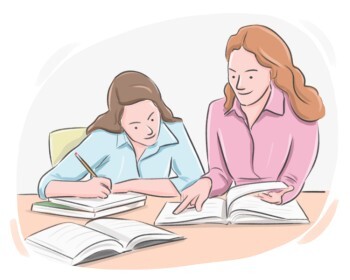
to teach someone, often within a school or university setting
educa, instrui
Școlile există pentru a educa copiii.

to give work to someone and pay them
angaja, ocupa
Plănuiți să angajați stagiari în această vară?
to give support to someone
primi, sprijini
Centrul comunitar local va găzdui familiile în nevoie oferind mese gratuite.

to provide medical care such as medicine or therapy to heal injuries, illnesses, or wounds and make someone better
trata, îngriji
Primul ajutor este administrat pentru a trata rănile și leziunile minore.
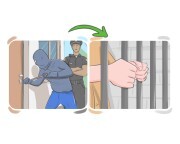
to cause someone suffering for breaking the law or having done something they should not have
pedepsi, a pedepsi
Părinții pot alege să-și pedepsească copiii prin restricționarea privilegiilor atunci când regulile sunt încălcate.
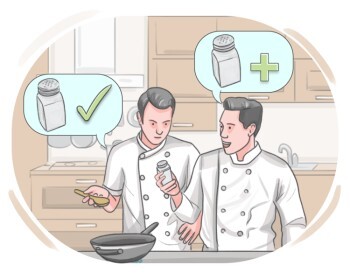
having a lot of value
important, crucial
Educația este un instrument important pentru dezvoltarea personală și profesională.
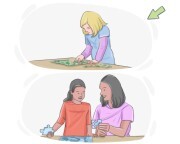
able to do things as one wants without needing help from others
independent
Ea este o femeie independentă, capabilă să-și ia propriile decizii și să aibă grijă de sine.
to regulate or control a person, course of action or event or the way something happens
reglementa, controla
Noile legi vor reglementa modul în care companiile pot gestiona datele clienților pentru a asigura confidențialitatea și securitatea.