pattern

本 Total English - 中級 - ユニット8 - 語彙

ここでは、Total English Intermediateコースブックのユニット8 - 語彙からの単語を見つけることができます。例えば「創造」、「無知」、「雇用する」などです。

レビュー

フラッシュカード

語形

綴り

クイズ

学習を開始
Total English - Intermediate
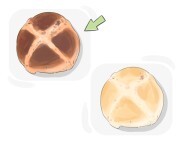
to overcook
to overcook
[動詞]

to cook food for too long or at too high a temperature, resulting in a loss of flavor, texture, or nutritional value

調理しすぎる, 過剰に調理する

調理しすぎる, 過剰に調理する

Ex: Be careful not to overcook the vegetables, as they will become mushy. 

野菜を煮すぎないように注意してください。柔らかくなりすぎます。

to underdevelop

to process a photographic film or print for less time than is necessary to achieve a fully developed image

不完全に現像する, 完全に現像された画像を達成するために必要な時間よりも短い時間で写真フィルムまたはプリントを処理する

不完全に現像する, 完全に現像された画像を達成するために必要な時間よりも短い時間で写真フィルムまたはプリントを処理する

dishonest
dishonest
[形容詞]

not truthful or trustworthy, often engaging in immoral behavior

不誠実な, 欺瞞的な

不誠実な, 欺瞞的な

Ex: He was caught being dishonest about his involvement in the incident. 

彼はその事件への関与について不誠実であるところを捕まった。

inhuman
inhuman
[形容詞]

lacking compassion, empathy, or decency, often being cruel or brutal

非人道的な, 残酷な

非人道的な, 残酷な

Ex: The inhuman treatment of prisoners shocked the international community. 

囚人への非人道的な扱いが国際社会に衝撃を与えた。

creation
creation
[名詞]

the act of bringing something into existence

創造, 作品

創造, 作品

Ex: The artist’s creation was admired by everyone. 

そのアーティストの作品は誰からも賞賛されました。

civilization
civilization
[名詞]

a society that has developed its own culture and institutions in a particular period of time or place

文明, 社会

文明, 社会

Ex: Ancient Egypt is considered one of the greatest civilizations in history. 

古代エジプトは、歴史上最も偉大な文明の一つと考えられています。

intelligence
intelligence
[名詞]

the ability to correctly utilize thought and reason, learn from experience, or to successfully adapt to the environment

知能

知能

Ex: Intelligence plays a key role in solving complex problems. 

知能は複雑な問題を解決する上で重要な役割を果たします。

ignorance
ignorance
[名詞]

the fact or state of not having the necessary information, knowledge, or understanding of something

無知

無知

Ex: His ignorance of the subject was evident when he gave incorrect answers during the discussion. 

議論中に誤った回答をしたとき、彼のその主題に対する無知は明らかだった。

movement
movement
[名詞]

a collective of individuals united by shared beliefs or ideology, working toward general social, political, or cultural goals

運動, 集団

運動, 集団

Ex: Activists join a movement to combat inequality. 

活動家は不平等と戦うために運動に参加します。

darkness
darkness
[名詞]

the quality of having little or almost no light

闇, 暗黒

闇, 暗黒

Ex: The darkness of the room made it difficult to find anything without a flashlight. 

部屋の暗さのせいで、懐中電灯なしでは何も見つけるのが難しかった。

to educate
to educate
[動詞]

to teach someone, often within a school or university setting

教育する, 教える

教育する, 教える

Ex: Schools exist to educate children. 

学校は子供を教育するために存在します。

to employ
to employ
[動詞]

to give work to someone and pay them

雇う, 採用する

雇う, 採用する

Ex: Are you planning to employ any interns this summer? 

今年の夏、インターンを雇用する予定ですか?

to accommodate

to give support to someone

受け入れる, 支援する

受け入れる, 支援する

Ex: My neighbors were happy to accommodate me by taking care of my pets while I was away. 

私の不在中、近所の人がペットの世話をしてくれることで、私を受け入れてくれて嬉しかった。

to treat
to treat
[動詞]

to provide medical care such as medicine or therapy to heal injuries, illnesses, or wounds and make someone better

治療する, 手当てする

治療する, 手当てする

Ex: First aid is administered to treat minor injuries and wounds. 

応急処置は、軽傷や傷を治療するために施されます。

to punish
to punish
[動詞]

to cause someone suffering for breaking the law or having done something they should not have

罰する, 懲らしめる

罰する, 懲らしめる

Ex: Schools may punish students for plagiarism by giving them a failing grade on the assignment. 

学校は、課題で不合格の成績を与えることで、盗作に対して学生を罰することがあります。

important
important
[形容詞]

having a lot of value

重要な, 決定的な

重要な, 決定的な

Ex: It is important to save money for the future. 

将来のために貯金することは重要です。

independent
independent
[形容詞]

able to do things as one wants without needing help from others

独立した

独立した

Ex: She's an independent woman, capable of making her own decisions and taking care of herself. 

彼女は独立した女性で、自分で決断を下し、自分自身の面倒を見ることができます。

to govern
to govern
[動詞]

to regulate or control a person, course of action or event or the way something happens

規制する, 制御する

規制する, 制御する

Ex: The new laws will govern how companies can handle customer data to ensure privacy and security. 

新しい法律は、企業が顧客データをどのように扱うかを規制し、プライバシーとセキュリティを確保します。

different
different
[形容詞]

not like another thing or person in form, quality, nature, etc.

異なる

異なる

Ex: He had a different perspective on the movie. 

彼はその映画に対して異なる視点を持っていた。

LanGeek
LanGeekアプリをダウンロード