
Словарный Запас для IELTS (Общий) - Выражение мнения
Здесь вы узнаете некоторые английские слова о выражении мнения, такие как "одобрять", "дебатировать", "делать вывод" и т.д., которые необходимы для экзамена IELTS.
Обзор
Флэш-карточки
формы
Правописание
Тест


to form a judgment on the quality, worth, nature, ability or importance of something, someone, or a situation

оценивать
Менеджер оценивает работу сотрудников во время квартальных обзоров.

to officially agree to a plan, proposal, etc.
утверждать
Совет директоров одобрил новый бюджет на предстоящий финансовый год.

in a simple or fundamental manner, without concern for less important details
по существу
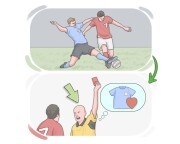
having a preference or unfair judgment toward one side or viewpoint over others
предубежденный
Статья журналиста была раскритикована за предвзятость в пользу определенной политической партии.
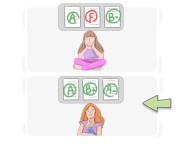
in a way that is always the same
последовательно
Он постоянно выполняет высококачественную работу над каждым проектом.

causing a lot of strong public disagreement or discussion
спорный
Некоторые из спорных идей в статье были оспорены экспертами.

a strong disagreement or argument over something that involves many people
спор
Новая политика вызвала споры среди членов сообщества.

negative feedback that highlights mistakes or areas for improvement
критика
Его критика помогла мне увидеть недостатки, которых я раньше не замечал.

to formally discuss a matter, usually in a structured setting
дискутировать
Кандидаты вышли на сцену, чтобы обсудить свои взгляды на важные вопросы перед живой аудиторией.

to disagree with someone or to hold different opinions, viewpoints, or beliefs
расходиться во мнениях
Они расходились во мнениях относительно наилучшего подхода к решению проблемы.
an argument or a situation in which people have different opinions about something
разногласие
Встреча закончилась разногласиями, так как члены команды не смогли прийти к консенсусу по направлению проекта.

to guess the value, number, quantity, size, etc. of something without exact calculation
подсчитывать
Я оцениваю, что на вечеринке около 100 человек.

to calculate or judge the quality, value, significance, or effectiveness of something or someone
оценивать
Учитель оценивает успеваемость учащихся через тесты и задания.
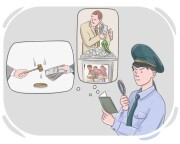
to reach an opinion or decision based on available evidence and one's understanding of the matter
заключать
После наблюдения за моделью поведения детектив мог сделать вывод, что подозреваемый был знаком с жертвой.

to firmly and persistently express an opinion, belief, or statement as true and valid
утверждать
Несмотря на споры, автор утверждает, что исторические факты в книге точны.
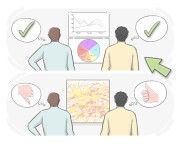
based only on facts and not influenced by personal feelings or judgments
беспристрастный, объективный
Хороший судья должен оставаться объективным в каждом деле.
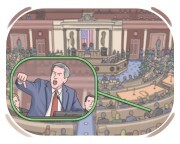
to strongly disagree with a policy, plan, idea, etc. and try to prevent or change it
сопротивляться
Местные жители выступили против строительства нового завода из-за экологических проблем.
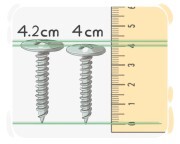
in an exact way, often emphasizing correctness or clarity
именно
Это именно та причина, по которой я никому не сказал.
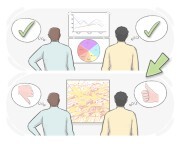
based on or influenced by personal feelings or opinions rather than facts
субъективный
Рецензия художественного критика была субъективной, отражая ее личный вкус, а не объективный анализ.

to publicly support or recommend something
отстаивать
Эколог страстно выступает за устойчивые практики жизни.

favorable or supportive in attitude or response
утвердительный
В своей роли наставника Сара постоянно оказывает поддерживающее руководство, позволяя своим подопечным уверенно преследовать свои цели.
used to convey that a statement can be supported with reasons or evidence
возможно
Он, бесспорно, лучший игрок в лиге, постоянно демонстрируя выдающиеся результаты.
used to introduce a statement that presents a truth or reality, often to clarify or emphasize something
На самом деле
difficult to accomplish, requiring skill or effort
сложный
Решение головоломки оказалось сложным, потребовав творческого мышления и навыков решения проблем.
to exchange opinions and have discussions with others, often to come to an agreement or decision
совещаться
Члены совета проведут совещание на следующей неделе, чтобы окончательно утвердить бюджет на предстоящий финансовый год.
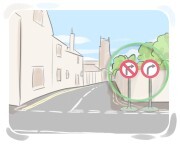
(of pieces of evidence, facts, statements, etc.) to be opposite or very different in a way that it is impossible for all to be true at the same time
противоречить
Показания свидетеля противоречили судебным доказательствам, представленным в суде, что вызвало сомнения в точности дела.
to doubt a fact or to call its truth into question
оспаривать
Он оспаривал точность показаний свидетеля, утверждая, что они ненадежны.
having a tendency to do something
наклонный
Она склонна верить в лучшее в людях, даже когда другие скептичны.
(of a person) wrong in one's judgment, opinion, or belief
ошибочный
Она ошиблась насчет даты мероприятия и пропустила его.
(of a person or ideology) not extreme or radical and considered reasonable by a majority of people
умеренный
Она умеренный человек, который выслушивает все стороны перед принятием решений.
used to introduce an opposing statement after making a point
сказав это

used to state that one has adopted a different opinion
если подумать, если подумать ещё раз
Я собирался заказать кофе, но если подумать, возьму чай.
