
Vocabular pentru IELTS (General) - Exprimarea unei opinii
Aici veți învăța câteva cuvinte în engleză despre exprimarea unei opinii, cum ar fi "a aproba", "a dezbate", "a deduce", etc., care sunt necesare pentru examenul IELTS.
Revizuire
Fișe de studiu
forme
Ortografie
Chestionar

to form a judgment on the quality, worth, nature, ability or importance of something, someone, or a situation

evalua, judeca

to officially agree to a plan, proposal, etc.
aproba, valida

in a simple or fundamental manner, without concern for less important details
în principiu, fundamental
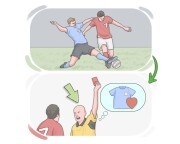
having a preference or unfair judgment toward one side or viewpoint over others
părtinitor, tendentios
Articolul jurnalistului a fost criticat pentru a fi părtinitor față de un anumit partid politic.
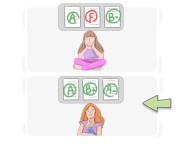
in a way that is always the same
în mod constant, sistematic
El în mod constant livrează muncă de înaltă calitate la fiecare proiect.
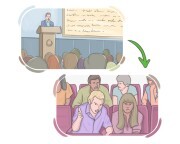
causing a lot of strong public disagreement or discussion
controversat, polemic
Noul film a fost criticat pentru temele sale controversate.

strong public disagreement or debate about an issue, often involving opposing opinions
controversă, dispută

negative feedback that highlights mistakes or areas for improvement
critică, mustrare

to formally discuss a matter, usually in a structured setting
dezbate, discuta

to disagree with someone or to hold different opinions, viewpoints, or beliefs
difera, a nu fi de acord
an argument or a situation in which people have different opinions about something
dezacord
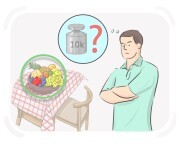
to guess the value, number, quantity, size, etc. of something without exact calculation
estima, evalua

to judge the quality, importance, value, or effectiveness of someone or something
evalua, aprecia
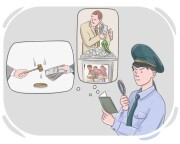
to reach an opinion or decision based on available evidence and one's understanding of the matter
deduce, infera
După ce a observat modelul de comportament, detectivul a putut deduce că suspectul era familiar cu victima.

to firmly and persistently express an opinion, belief, or statement as true and valid
susține, afirma
În ciuda controversei, autorul susține că faptele istorice din carte sunt exacte.
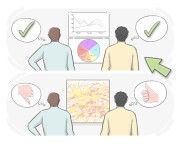
based only on facts and not influenced by personal feelings or judgments
obiectiv, imparțial
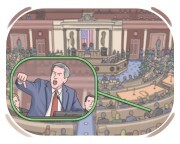
to strongly disagree with a policy, plan, idea, etc. and try to prevent or change it
a se opune, a rezista
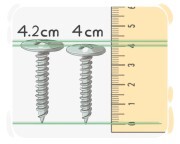
in an exact way, often emphasizing correctness or clarity
precis, exact
A sosit exact la ora 10.
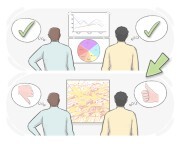
based on or influenced by personal feelings or opinions rather than facts
subiectiv, personal
Recenzia criticului de artă a fost subiectivă, reflectând gustul ei personal mai degrabă decât o analiză obiectivă.
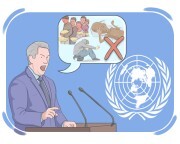
to publicly recommend or encourage a particular action, approach, or way of doing something
pleda, recomanda

favorable or supportive in attitude or response
afirmativ, favorabil
În rolul ei de mentor, Sarah oferă în mod constant îndrumare afirmativă, împuternicindu-și ucenicii să-și urmărească obiectivele cu încredere.
used to convey that a statement can be supported with reasons or evidence
fără îndoială, probabil
El este fără îndoială cel mai bun jucător din ligă, oferind în mod constant performanțe excepționale.
used to introduce a statement that presents a truth or reality, often to clarify or emphasize something
difficult to accomplish, requiring skill or effort
provocator, dificil
Rezolvarea puzzle-ului s-a dovedit a fi provocatoare, necesitând gândire creativă și abilități de rezolvare a problemelor.
to discuss something with others in order to exchange views or reach a decision
a conferi, a consulta
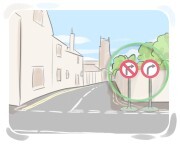
(of pieces of evidence, facts, statements, etc.) to be opposite or very different in a way that it is impossible for all to be true at the same time
contrazice
Mărturia martorului a contrazis dovezile forense prezentate în instanță, ducând la îndoieli cu privire la exactitatea cazului.
to doubt a fact or to call its truth into question
disputa, pune la îndoială
having a tendency to do something
înclinat, predispus
Ea este înclinată să creadă în ce este mai bun în oameni, chiar și atunci când alții sunt sceptici.
(of a person) wrong in one's judgment, opinion, or belief
greșit, în eroare
Ea a greșit data evenimentului și l-a ratat.
not extreme in opinions, beliefs, policies, or behavior
moderat, cumpătat
used to introduce an opposing statement after making a point

used to state that one has adopted a different opinion
stând să mă gândesc mai bine, dacă mă gândesc mai bine
Voiam să comand cafea, dar stând să mă gândesc mai bine, iau ceai.
