
Cambridge IELTS 16 - Академический - Тест 4 - Чтение - Отрывок 2 (1)
Изучайте лексику из первой части Cambridge IELTS 16 Academic, Test 4 Reading Passage 2, с полезными словами и выражениями из текста.
Обзор
Флэш-карточки
формы
Правописание
Тест


a possible consequence that something can bring about

последствие
Последствия нового закона могут затронуть многие малые предприятия.

a rubber or silicone nipple-shaped device designed to be sucked on by infants
соска, пустышка
Ребёнок сразу успокоился, когда ему дали соску.
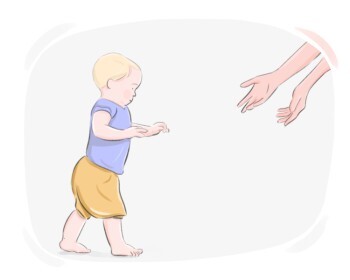
a young child who is starting to learn how to walk
малыш
Малыш сделал свои первые шаги, к большой радости своих родителей.

round one's back by bending forward and drawing the shoulders forward
сутулиться, горбиться

to quickly read through a text, focusing on key information and main points rather than delving into details
просматривать, бегло читать
С ограниченным временем до экзамена, она решила просмотреть учебник, чтобы ухватить основные концепции.
a personalized and constantly updated stream of content from accounts that a user follows, allowing them to view and engage with the latest posts, photos, and videos in a central place
лента, фид
(usually used with `to') occurring or existing without the knowledge of
неизвестный, неведомый
to establish a relationship or association between two things
связывать, устанавливать связь
to serve as the foundation or primary cause for something
лежать в основе
Культурные традиции лежат в основе многих фестивалей и празднований, которые мы видим по всему миру.

in a way that is faint, delicate, or so slight that it is hard to notice, explain, or define
тонко, с тонкостью
Освещение тонко меняется по мере развития настроения пьесы.

to show, point out, or suggest the existence, presence, or nature of something
обозначать
График указывает на тенденцию в продажах.
the mental activity involved in learning or internalizing information
усвоение, приобретение
Исследователи изучают приобретение памяти у маленьких детей.
the capability to read and write
грамотность
Новая программа школы направлена на повышение грамотности в раннем детстве.
to make something required due to specific circumstances
требовать, делать необходимым
Расширение компании потребовало найма большего количества сотрудников для удовлетворения растущего спроса.
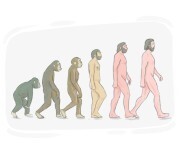
(biology) to change gradually and over generations into forms that are better adapted to the environment and fitter to survive
эволюционировать
За миллионы лет лошади эволюционировали от маленьких, многоногих предков до крупных, однокопытных животных, которых мы видим сегодня.
to figure out or understand something that is confusing or difficult to understand
расшифровывать, разгадывать
Учитель помог ученикам расшифровать сложное стихотворение, проводя их через его запутанную символику.
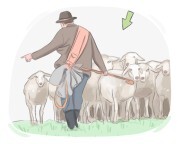
a group of animals, such as cows, sheep, etc. that are from the same species, which move and feed together
стадо
Стадо коров мирно паслось на лугу.
made more detailed and comprehensive, often by adding additional information or complexity
разработанный, подробный
Архитектор представил разработанный план проектирования, включая подробные чертежи и 3D-модели здания.

to describe a specific subject, scene, person, etc.
изображать
Работа художника часто изображает сцены из повседневной жизни в ярком стиле.
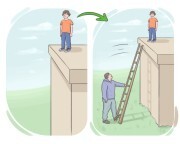
to give someone or something the means or ability to do something
давать возможность
Технология позволяет нам мгновенно общаться по всему миру.
(biology) the natural process of an organism growing and changing from a simple form to a more complex one
развитие, рост
relating to or involving the use of reasoning and understanding capacity
интеллектуальный, умственный
Она любит участвовать в интеллектуальных дебатах со своими коллегами.
characterized by emotion
аффективный, эмоциональный
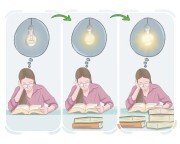
to incorporate or integrate information, beliefs, or values into one's own understanding or mindset
усваивать, интериоризировать
В рамках программы обучения сотрудников поощряли усваивать основные ценности компании, чтобы создать позитивную рабочую атмосферу.
the act of rational and logical thinking about something
рассуждения
Рассуждение ученого, лежащее в основе эксперимента, было обоснованным, что привело к революционным результатам.

a conclusion one reaches from the existing evidence or known facts
заключение
Новаторское открытие ученого было результатом тщательных наблюдений и логических умозаключений.
a specific manner of considering something
перспектива
С исторической точки зрения, Возрождение ознаменовало период большого культурного прогресса.
the ability to understand and share the feelings of another person
сочувствие
Она проявила большую эмпатию к своей подруге в трудное время.
providing knowledgeable judgments and opinions about the positive and negative aspects of something
критический
Критический анализ данных выявил важные тенденции и закономерности.
the process of causing something to exist or appear
создание, производство
Изобретение привело к созданию новых возможностей.
a penetrating and profound understanding that goes beyond surface-level observations or knowledge
озарение
Годы изучения и размышлений привели к глубоким озарениям о природе существования.
to become apparent or come into view, often after being hidden or unnoticed
появляться, проявляться
По мере продвижения расследования ранее неизвестные подробности дела начали всплывать.
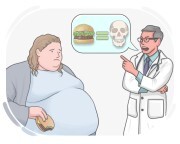
to warn someone of something that could be difficult or dangerous
предостерегать
Врач предупредил пациента о возможных побочных эффектах лекарства.
indicating the main part, material, or feature of something
на основе, основанный на
Этот крем на масляной основе и не подходит для жирной кожи.
a particular method or way in which something is done or occurs
режим, метод
Система имеет ручной режим для продвинутых пользователей.

pertaining to or involving of two distinct elements or parts
бинарный, двойственный
Бинарное мышление может слишком упрощать сложные вопросы, сводя их к двум противоположным позициям.
the text or type that appears in books, newspapers, or other printed material
шрифт, печатный текст
Шрифт в этом издании необычно мелкий.
used to compare or to show contrast between two choices, decisions, etc.
против
Дебаты о природе против воспитания продолжаются веками.
the act or process of introducing something new
нововведение
Инновация онлайн-банкинга изменила то, как люди управляют деньгами.
someone who has a lot of knowledge about a particular subject, especially in the humanities
учёный
На конференции выступил известный учёный, который рассказал о древнегреческой философии.
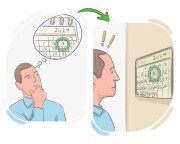
to be at fault or make mistakes, especially in one's thinking, judgment, or actions
ошибаться
Ошибаться — человечно, но отказываться исправлять свои ошибки — неразумно.
to cause disorder or disturbance in something that was previously orderly or calm
нарушать, прерывать
Громкий шум со стройки нарушил их послеобеденный сон.
to lessen the perceived value, significance, or importance of someone or something
уменьшать, умалять
Неэтичные практики компании уменьшили ее репутацию в отрасли и среди потребителей.
an important or crucial factor that determines what happens next or how things will turn out
шарнир
Сюжет истории зависит от ключевого события, которое меняет все для главного героя.
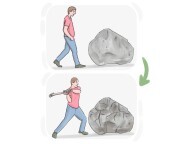
to face or deal with a problem or difficult situation directly
стоять против
Менеджер решил противостоять проблемам производительности команды и внедрить новые стратегии.
a detailed plan or strategy designed to achieve a particular goal
подробный план
Её детальный план для успеха включал ежедневную постановку целей.
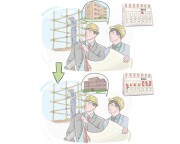
to change something in a way that suits a new purpose or situation better
приспособиться
Компании пришлось адаптировать свою маркетинговую стратегию, чтобы охватить глобальную аудиторию.

a notable feature or quality that defines or describes something
характеристика, черта
Её доброта — это характеристика, которую замечают все.
a means that is used for the purpose of communicating or expressing something
средство
Искусство — это мощный средство для выражения эмоций.

having superiority in power, influence, or importance
преобладающий
Лев — доминирующий хищник в своей экосистеме, властвуя над другими животными.
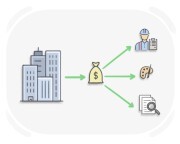
to distribute or assign resources, funds, or tasks for a particular purpose
выделять
Школьный совет выделит средства на новое оборудование для классов в следующем финансовом году.

(of a task) needing great effort, skill, etc.
требовательный
Его работа в качестве менеджера проектов требовательна, заставляя его жонглировать множеством задач и сроков.
complex and challenging to fully comprehend
глубокий, сложный
Лекция профессора по квантовой физике была настолько глубокой, что многим студентам было трудно за ней следить.
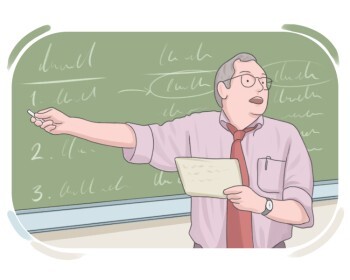
someone whose job is to teach people
педагог
Как педагог, она верит в развитие творчества и критического мышления у своих учеников.
studies that deal with people and their behavior such as language, philosophy, history, etc.
гуманитарные науки
Она решила специализироваться в гуманитарных науках, чтобы изучить свои интересы в литературе, истории и философии.
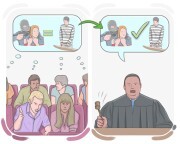
to confirm a statement or claim by providing evidence
подтверждать, подкреплять
Данные подтверждают обоснованность гипотезы.
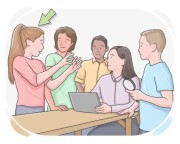
in a way that involves effort and participation rather than being passive
активно
Компания активно набирает новый персонал во все отделы.
(of a text) hard to understand due to complexity or being packed with ideas
плотный, сложный
Книга была настолько плотной, что мне пришлось прочитать её дважды.
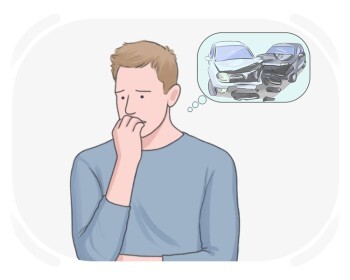
to cause someone to worry
волновать
referring to mental processes involved in understanding, thinking, and remembering
когнитивный
Когнитивная терапия помогает людям распознавать и изменять негативные модели мышления.
lack of ability (especially mental ability) to do something
неспособность, неумение
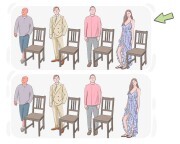
having enough of something to meet a particular need or requirement
достаточный, адекватный
Он накопил достаточную сумму денег, чтобы купить новый компьютер.
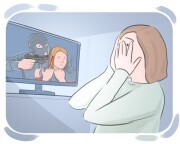
making one feel worried, upset, or uneasy about something
беспокоящий
В отчете содержатся тревожные статистические данные об изменении климата.
happening later in a process or sequence, often with an impact on subsequent stages
нисходящий, последующий
Последующие эффекты политики не были сразу очевидны.
the capacity to understand something
понимание
Его понимание сложной теории впечатлило профессора.
data and information that can be gathered to form a research
материал, данные
having a big effect that changes the usual way something works or is done
революционный, меняющий правила игры
Изобретение оказало революционное влияние на повседневную жизнь.
a large group or collection of things
флотилия, армада
У нее в руках была флотилия из пакетов с покупками.
adjusted or located in relation to surroundings or circumstances; sometimes used in combination
ориентированный, скорректированный
a pathway made of connected brain cells through which electrical and chemical signals move to help the brain do certain tasks
цепь, сеть
Цепь памяти мозга помогает хранить и воспроизводить информацию.
