pattern

Cambridge IELTS 16 - Academic - Test 4 - Čtení - Úryvek 2 (1)

Naučte se slovní zásobu z první části Cambridge IELTS 16 Academic, Test 4 Reading Passage 2, s užitečnými slovy a výrazy z textu.

Revize

Kartičky

tvary

Pravopis

Kvíz

Začněte se učit
Cambridge IELTS 16 - Academic
implication
implication
[Podstatné jméno]

a possible consequence that something can bring about

implikace,  důsledek

implikace, důsledek

Ex: The new policy could have major implications for small businesses. 
pacifier
pacifier
[Podstatné jméno]

a rubber or silicone nipple-shaped device designed to be sucked on by infants

dudlík, cumlátko

dudlík, cumlátko

Ex: Some parents prefer not to use a pacifier, but others find it helpful for calming their child. 

Někteří rodiče dávají přednost nepoužívání dudlíku, ale jiní jej považují za užitečný pro uklidnění svého dítěte.
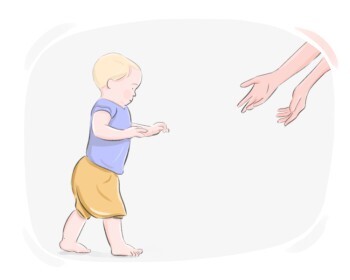
toddler
toddler
[Podstatné jméno]

a young child who is starting to learn how to walk

batole, dítě začínající chodit

batole, dítě začínající chodit

Ex: They took the toddler to the park, where he enjoyed playing on the swings. 

Vzali batole do parku, kde si užívalo hraní na houpačkách.

to hunch over
to hunch over
[sloveso]

round one's back by bending forward and drawing the shoulders forward

hrbit se, shýbat se

hrbit se, shýbat se

to skim
to skim
[sloveso]

to quickly read through a text, focusing on key information and main points rather than delving into details

prolistovat, letmo číst

prolistovat, letmo číst

Ex: To keep up with the latest news, he would regularly skim the headlines of major newspapers. 

Aby držel krok s nejnovějšími zprávami, pravidelně procházel titulky hlavních novin.

feed
feed
[Podstatné jméno]

a personalized and constantly updated stream of content from accounts that a user follows, allowing them to view and engage with the latest posts, photos, and videos in a central place

kanál, proud

kanál, proud

Ex: That account keeps appearing in my feed. 
unbeknown
unbeknown
[Přídavné jméno]

occurring or existing without being known to a particular person

neznámý, nevědomý

neznámý, nevědomý

Ex: The danger was completely unbeknown to the travelers. 
to link
to link
[sloveso]

to establish a relationship or association between two things

propojit, spojit

propojit, spojit

Ex: The researcher aims to link genetic factors with susceptibility to certain diseases. 
neuronal
neuronal
[Přídavné jméno]

of or relating to neurons

neuronální,  týkající se neuronů

neuronální, týkající se neuronů

to underlie
to underlie
[sloveso]

to serve as the foundation or primary cause for something

být základem, tvořit základ

být základem, tvořit základ

Ex: Economic factors underlie the recent fluctuations in the stock market. 

Ekonomické faktory jsou základem nedávných výkyvů na akciovém trhu.
subtly
subtly
[Příslovce]

in a way that is faint, delicate, or so slight that it is hard to notice, explain, or define

jemně, s jemností

jemně, s jemností

Ex: The music subtly intensified without drawing attention to itself. 

Hudba se jemně zesílila, aniž by upoutala pozornost na sebe.
neuroscience
neuroscience
[Podstatné jméno]

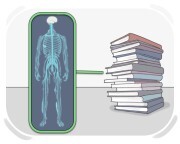
the scientific study of the nervous system

neurověda

neurověda

to indicate
to indicate
[sloveso]

to show, point out, or suggest the existence, presence, or nature of something

ukazovat, naznačovat

ukazovat, naznačovat

Ex: The markings on the floor indicate where to stand. 
acquisition
acquisition
[Podstatné jméno]

the mental activity involved in learning or internalizing information

osvojení, učení

osvojení, učení

Ex: Researchers study the acquisition of memory in young children. 
literacy
literacy
[Podstatné jméno]

the capability to read and write

gramotnost, schopnost číst a psát

gramotnost, schopnost číst a psát

Ex: Literacy is essential for accessing information and education. 

Gramotnost je nezbytná pro přístup k informacím a vzdělání.

to necessitate

to make something required due to specific circumstances

vyžadovat, činit nutným

vyžadovat, činit nutným

Ex: Rapid technological advancements necessitate continuous investment in research and development. 

Rychlý technologický pokrok vyžaduje nepřetržité investice do výzkumu a vývoje.
to evolve
to evolve
[sloveso]

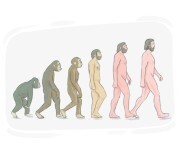
to change genetically across generations through the process of evolution

vyvíjet se,  evoluovat

vyvíjet se, evoluovat

Ex: Scientists are studying how these insects evolved in response to environmental changes. 
to decode
to decode
[sloveso]

to figure out or understand something that is confusing or difficult to understand

dekódovat, pochopit

dekódovat, pochopit

Ex: It took me a while to decode the complex scientific article, but eventually, I understood the key concepts. 

Chvíli mi trvalo, než jsem dešifroval složitý vědecký článek, ale nakonec jsem pochopil klíčové koncepty.
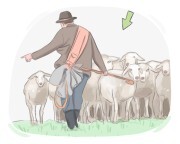
herd
herd
[Podstatné jméno]

a group of animals, such as cows, sheep, etc. that are from the same species, which move and feed together

stádo, hejno

stádo, hejno

Ex: The herd of cows grazed peacefully in the meadow. 
elaborated
elaborated
[Přídavné jméno]

made more detailed and comprehensive, often by adding additional information or complexity

propracovaný, podrobný

propracovaný, podrobný

Ex: The artist’s portfolio featured elaborated sketches that demonstrated a range of techniques and ideas. 

Portfolio umělce obsahovalo propracované skicy, které předváděly řadu technik a nápadů.

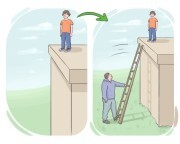
to depict
to depict
[sloveso]

to describe or portray someone or something in words, a story, film, or other form of expression

vyobrazit,  popsat
vyobrazit, popsat

Ex: The report depicts a society undergoing rapid change. 
to enable
to enable
[sloveso]

to give someone or something the means or ability to do something

umožnit, povolit

umožnit, povolit

Ex: Technology enables us to communicate instantly across the globe. 
development
development
[Podstatné jméno]

(biology) the natural process of an organism growing and changing from a simple form to a more complex one

vývoj, růst

vývoj, růst

Ex: The development of a butterfly from a caterpillar happens through several stages. 
intellectual
intellectual
[Přídavné jméno]

relating to or involving the use of reasoning and understanding capacity

intelektuální, duševní

intelektuální, duševní

Ex: Intellectual challenges encourage personal growth and development. 
affective
affective
[Přídavné jméno]

relating to feelings or emotions

afektivní, emocionální

afektivní, emocionální

Ex: The study examined the affective aspects of decision-making. 
to internalize

to incorporate or integrate information, beliefs, or values into one's own understanding or mindset

zvnitřnit, asimilovat

zvnitřnit, asimilovat

Ex: Learning a new language involves not just memorizing vocabulary but also internalizing the nuances of pronunciation and cultural context. 

Učení se nového jazyka zahrnuje nejen memorování slovní zásoby, ale také zvnitřnění nuancí výslovnosti a kulturního kontextu.

analogical
analogical
[Přídavné jméno]

expressing, composed of, or based on an analogy

analogický, na základě analogie

analogický, na základě analogie

reasoning
reasoning
[Podstatné jméno]

the act of rational and logical thinking about something

úvaha, logika

úvaha, logika

Ex: Effective reasoning is essential in solving complex problems and making informed decisions. 

Efektivní úvaha je nezbytná pro řešení složitých problémů a činění informovaných rozhodnutí.

inference
inference
[Podstatné jméno]

a conclusion one reaches from the existing evidence or known facts

závěr, usuzování

závěr, usuzování

Ex: The detective made a crucial inference about the suspect's alibi based on the new evidence. 

Detektiv učinil klíčový závěr ohledně alibi podezřelého na základě nových důkazů.

perspective
perspective
[Podstatné jméno]

a specific manner of considering something

úhel pohledu, perspektiva

úhel pohledu, perspektiva

Ex: From a historical perspective, the Renaissance marked a period of great cultural advancement. 
empathy
empathy
[Podstatné jméno]

the ability to understand and share the feelings of another person

empatie, soucítění

empatie, soucítění

Ex: In tough situations, empathy can help resolve conflicts peacefully. 

V obtížných situacích může empatie pomoci řešit konflikty mírumilovně.

critical
critical
[Přídavné jméno]

providing knowledgeable judgments and opinions about the positive and negative aspects of something

kritický, analytický

kritický, analytický

Ex: The critical review of the novel praised its character development but criticized its pacing. 

Kritická recenze románu ocenila vývoj postav, ale kritizovala jeho tempo.

generation
generation
[Podstatné jméno]

the process of causing something to exist or appear

tvorba, výroba

tvorba, výroba

Ex: The invention led to the generation of new opportunities. 
insight
insight
[Podstatné jméno]

a clear and deep understanding of a person, situation, problem, or subject

vhled,  porozumění

vhled, porozumění

Ex: The interviews provided new insights into how the organization operates. 
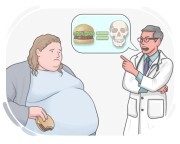
to surface
to surface
[sloveso]

to become apparent or come into view, often after being hidden or unnoticed

objevit se, vynořit se
objevit se, vynořit se

Ex: A flicker of sadness surfaced in his eyes. 
to caution
to caution
[sloveso]

to warn someone about a possible danger, problem, or undesirable consequence

varovat,  napomenout

varovat, napomenout

Ex: Sarah cautioned him not to make a decision while he was angry. 
based
based
[Přídavné jméno]

indicating the main part, material, or feature of something

založený na, na bázi

založený na, na bázi

Ex: She made a fruit-based smoothie for breakfast. 

Udělala si k snídani smoothie na bázi ovoce.

mode
mode
[Podstatné jméno]

a particular method or way in which something is done or occurs

režim, metoda

režim, metoda

Ex: The system has a manual mode for advanced users. 
binary
binary
[Přídavné jméno]

pertaining to or involving of two distinct elements or parts

binární, duální

binární, duální

Ex: The debate was framed in a binary way, focusing on two opposing viewpoints. 

Debata byla rámována binárním způsobem, se zaměřením na dva protichůdné pohledy.

print
print
[Podstatné jméno]

the text or type that appears in books, newspapers, or other printed material

písmo, tištěný text

písmo, tištěný text

Ex: The print in this edition is unusually small. 
versus
versus
[předložka]

used to compare or to show contrast between two choices, decisions, etc.

proti

proti

Ex: Cats versus dogs: which pet is more popular in the world? 

Kočky proti psům: které domácí zvíře je na světě populárnější?

innovation
innovation
[Podstatné jméno]

the process of developing and introducing new ideas, methods, products, or practices

inovace,  novota

inovace, novota

Ex: Strict rules can sometimes slow innovation by making experimentation more difficult. 
scholar
scholar
[Podstatné jméno]

a person who has extensive knowledge of or conducts serious study in a particular academic subject
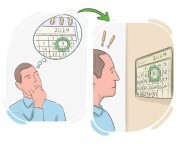
Ex: She is a visiting scholar at a university in Tokyo. 
to err
to err
[sloveso]

to be at fault or make mistakes, especially in one's thinking, judgment, or actions

mýlit se, udělat chybu

mýlit se, udělat chybu

Ex: While erring occasionally is forgivable, persistent or consequential erring may require accountability. 

I když je občasné chybování odpustitelné, přetrvávající nebo závažné chyby mohou vyžadovat odpovědnost.

to disrupt
to disrupt
[sloveso]

to cause disorder or disturbance in something that was previously orderly or calm

narušit, přerušit

narušit, přerušit

Ex: The storm disrupted power supply to the entire neighborhood. 

Bouře narušila dodávku elektřiny do celého sousedství.

to diminish
to diminish
[sloveso]

to make someone or something seem less important, valuable, or impressive

snížit,  zmenšit

snížit, zmenšit

Ex: His apology did little to diminish the seriousness of what had happened. 
hinge
hinge
[Podstatné jméno]

an important or crucial factor that determines what happens next or how things will turn out

stěžejní bod, klíčový faktor

stěžejní bod, klíčový faktor

Ex: A single hinge in the investigation could have changed the outcome entirely. 

Jediný klíčový faktor v šetření mohl zcela změnit výsledek.
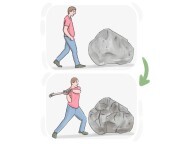
to confront
to confront
[sloveso]

to face and deal directly with a difficult problem, situation, or fact

konfrontovat,  čelit

konfrontovat, čelit

Ex: She learned to confront her fears rather than ignore them. 
blueprint
blueprint
[Podstatné jméno]

a detailed plan or strategy designed to achieve a particular goal

hlavní plán, podrobná strategie

hlavní plán, podrobná strategie

Ex: This blueprint serves as a guide for personal development. 

Tento plánový nástin slouží jako průvodce pro osobní rozvoj.
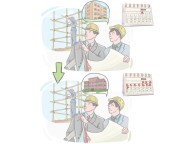
to adapt
to adapt
[sloveso]

to change something so that it is suitable for a different purpose, situation, or need

adaptovat, přizpůsobit

adaptovat, přizpůsobit

Ex: The equipment has been adapted for people with limited mobility. 
characteristic
characteristic
[Podstatné jméno]

a notable feature or quality that defines or describes something

charakteristika, rys

charakteristika, rys

Ex: Her kindness is a characteristic everyone notices. 
medium
medium
[Podstatné jméno]

a means that is used for the purpose of communicating or expressing something

prostředek, nosič

prostředek, nosič

Ex: Music can be a universal medium that transcends language barriers. 
dominant
dominant
[Přídavné jméno]

having superiority in power, influence, or importance

dominantní, převládající

dominantní, převládající

Ex: The lion is the dominant predator in its ecosystem, ruling over other animals. 
to allocate
to allocate
[sloveso]

to give or assign money, resources, time, space, or duties to a particular person or purpose

přidělit,  alokovat

přidělit, alokovat

Ex: The government plans to allocate extra resources to rural hospitals. 
demanding
demanding
[Přídavné jméno]

(of a task) needing great effort, skill, etc.

náročný, obtížný

náročný, obtížný

Ex: His demanding schedule made it difficult to find time for rest. 

Jeho náročný rozvrh ztěžoval nalezení času na odpočinek.

deep
deep
[Přídavné jméno]

complex and challenging to fully comprehend

hluboký, složitý
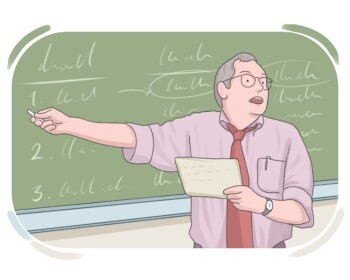
hluboký, složitý

Ex: His philosophical arguments were deep and often left his audience puzzled. 
educator
educator
[Podstatné jméno]

someone whose job is to teach people

vychovatel, učitel

vychovatel, učitel

Ex: The museum offers educational programs led by trained educators to engage visitors of all ages. 

Muzeum nabízí vzdělávací programy vedené vyškolenými učiteli, které osloví návštěvníky všech věkových kategorií.

humanities
humanities
[Podstatné jméno]

studies that deal with people and their behavior such as language, philosophy, history, etc.

humanitní vědy, společenské vědy
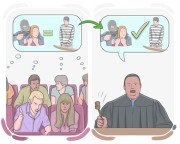
humanitní vědy, společenské vědy

Ex: The humanities play a crucial role in fostering critical thinking, empathy, and cultural appreciation. 
to bear out
to bear out
[sloveso]

to confirm a statement or claim by providing evidence

potvrdit důkazy, doložit pravdivost tvrzení

potvrdit důkazy, doložit pravdivost tvrzení

Ex: Can you bear out your statements with credible sources? 

Můžete potvrdit svá tvrzení důvěryhodnými zdroji?
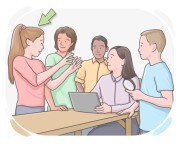
actively
actively
[Příslovce]

in a way that involves effort and participation rather than being passive

aktivně, s úsilím

aktivně, s úsilím

Ex: Scientists are actively searching for a cure. 

Vědci aktivně hledají lék.

dense
dense
[Přídavné jméno]

(of a text) hard to understand due to complexity or being packed with ideas

hustý, složitý

hustý, složitý

Ex: The dense prose of the novel required careful reading to grasp its themes. 

Hustá próza románu vyžadovala pečlivé čtení, aby bylo možné pochopit jeho témata.
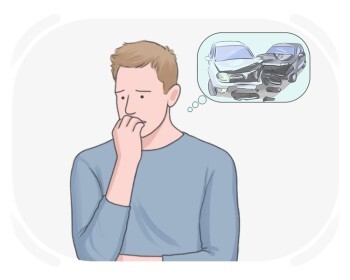
to concern
to concern
[sloveso]

to cause someone to worry

znepokojovat, dělat starosti

znepokojovat, dělat starosti

Ex: The decline in his health concerned his family, prompting them to seek medical advice. 
cognitive
cognitive
[Přídavné jméno]

referring to mental processes involved in understanding, thinking, and remembering

kognitivní, duševní

kognitivní, duševní

Ex: Problem-solving requires cognitive skills such as critical thinking and decision-making. 
inability
inability
[Podstatné jméno]

a lack of the skill, power, or capacity needed to do something

neschopnost, neúspěšnost

neschopnost, neúspěšnost

Ex: The device's inability to connect made it unusable. 
sufficient
sufficient
[Přídavné jméno]

having enough of something to meet a particular need or requirement

dostatečný, vhodný

dostatečný, vhodný

Ex: The evidence presented in court was deemed sufficient to convict the defendant. 

Důkazy předložené u soudu byly považovány za dostačující k odsouzení obžalovaného.

complexity
complexity
[Podstatné jméno]

the quality or state of having many interconnected parts and being difficult to understand or deal with

složitost

složitost

Ex: The project grew in complexity as more teams became involved. 
troubling
troubling
[Přídavné jméno]

making one feel worried, upset, or uneasy about something

znepokojující, rušivý

znepokojující, rušivý

Ex: The troubling news of the increase in crime rates alarmed the community. 

Znepokojivé zprávy o nárůstu kriminality znepokojily komunitu.

downstream
downstream
[Přídavné jméno]

happening later in a process or sequence, often with an impact on subsequent stages

po proudu, následující

po proudu, následující

Ex: The decision had significant downstream consequences for the entire industry. 

Rozhodnutí mělo významné následné důsledky pro celé odvětví.

comprehension
comprehension
[Podstatné jméno]

the capacity to understand something

porozumění, chápání

porozumění, chápání

Ex: After the lecture, his comprehension of the subject had significantly improved. 

Po přednášce se jeho porozumění tématu výrazně zlepšilo.

material
material
[Podstatné jméno]

data and information that can be gathered to form a research

materiál, data

materiál, data

Ex: The scientist compiled all relevant material for her groundbreaking study. 
game-changing
game-changing
[Přídavné jméno]

having a big effect that changes the usual way something works or is done

revoluční, měnící pravidla hry

revoluční, měnící pravidla hry

Ex: The new drug is a game-changing treatment for the disease. 

Nový lék je převratná léčba nemoci.

flotilla
flotilla
[Podstatné jméno]

a large group or collection of things

flotila, armáda

flotila, armáda

Ex: The sky was filled with a flotilla of clouds. 

Nebe bylo plné flotily mraků.

oriented
oriented
[Přídavné jméno]

adjusted or located in relation to surroundings or circumstances; sometimes used in combination

orientovaný, upravený

orientovaný, upravený

circuit
circuit
[Podstatné jméno]

a pathway made of connected brain cells through which electrical and chemical signals move to help the brain do certain tasks

obvod, síť

obvod, síť

Ex: The brain's memory circuit helps store and recall information. 
LanGeek
Stáhnout aplikaci LanGeek