
Cambridge IELTS 16 - Академический - Тест 4 - Чтение - Отрывок 3
Здесь вы можете найти словарный запас из Теста 4 - Чтение - Отрывок 3 в учебнике Cambridge IELTS 16 - Academic, чтобы помочь вам подготовиться к экзамену IELTS.
Обзор
Флэш-карточки
формы
Правописание
Тест


a difference in interests, views, opinions, etc.

расхождение
Религиозное разногласие в семье привело к оживлённым дебатам за обеденным столом.
an estimate or prediction based on past observations or data
предсказание
Прогноз погоды на завтра указывает на дождь.
a lack of belief or confidence in the truth or honesty of something or someone
недоверие, подозрительность
Его недоверие к информации заставило его искать другие источники.
characterized by an attitude of ready accessibility (especially about one's actions or purposes); without concealment; not secretive
открытость, прозрачность
a dangerous condition in which a person loses consciousness as a result of a blood vessel breaking open or becoming blocked in their brain, which could kill or paralyze a part of their body
инсульт
Инсульт происходит, когда кровеносный сосуд в головном мозге либо блокируется (ишемический инсульт), либо разрывается (геморрагический инсульт).

to predict future events, based on analysis of present data and conditions
прогнозировать
Экономисты прогнозируют спад на фондовом рынке из-за последних экономических показателей.
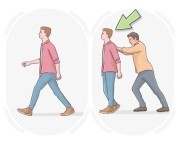
not welcoming or willing to do something because it is undesirable
неохотный
Несмотря на свою любовь к приключениям, он был неохотен попробовать банджи-джампинг из-за боязни высоты.
a branch of medical science that specializes in the prevention, diagnosis, and treatment of cancer
онкология
Онкология — это раздел медицины, занимающийся диагностикой, лечением и профилактикой рака.
a business or organization that is exceptionally large and influential in its field
гигант, гигантская компания
Технологический гигант объявил о своей новой инновационной линейке продуктов на ежегодной конференции.
the process of presenting a favorable public image of a person, firm, or institution
связи с общественностью
Команда по связям с общественностью компании неустанно работала, чтобы справиться с последствиями недавнего скандала.
to provide or supply something that was expected or promised
доставлять, предоставлять
Подрядчик выполнил работу по ремонту, закончив раньше срока.
to represent a specific amount or portion of a whole
представлять, составлять
В нашей команде опытные профессионалы составляют большинство рабочей силы.
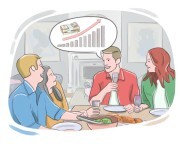
to communicate with others, particularly while spending time with them
взаимодействовать, общаться
На мастер-классе участников поощряли взаимодействовать друг с другом, чтобы способствовать сотрудничеству.
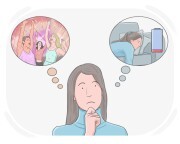
used to introduce one aspect of a situation, often followed by a contrasting statement
С одной точки зрения
С одной стороны, новая политика способствует эффективности, но с другой стороны, она может снизить моральный дух сотрудников.

help and advice about how to solve a problem, given by someone who is knowledgeable and experienced
руководство
to be of the same or similar nature
соответствовать
Их интересы в искусстве и музыке совпадают во многих отношениях.
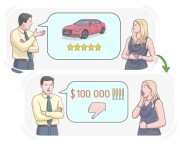
used to introduce a contrasting aspect of a situation, especially when comparing it to a previous point
с другой стороны, в то же время
Работа хорошо оплачивается ; с другой стороны, часы крайне длинные.
to create a new set of data by using a mathematical or logical process to transform an existing set of data
генерировать
Программное обеспечение генерирует синтетические данные для увеличения обучающего набора данных для моделей нейронных сетей.
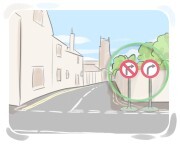
(of pieces of evidence, facts, statements, etc.) to be opposite or very different in a way that it is impossible for all to be true at the same time
противоречить
Показания свидетеля противоречили судебным доказательствам, представленным в суде, что вызвало сомнения в точности дела.

possessing the needed skills or knowledge to do something well
сведущий
Как компетентный программист, он смог быстро устранить и исправить программную ошибку.
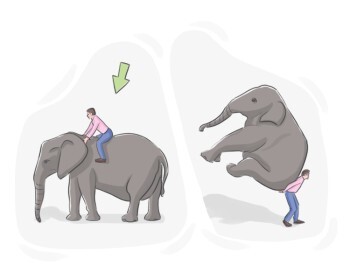
seeming believable or reasonable enough to be considered true
правдоподобный
Детектив счел его алиби правдоподобным, так как несколько свидетелей подтвердили его историю.
a branch of artificial intelligence where computers learn how to perform specific operations without previous instructions
машинное обучение
a finite sequence of well-defined, mathematical instructions for completing a specific task or solving a problem
алгоритм
Евклидов алгоритм используется для нахождения наибольшего общего делителя двух целых чисел.

used to indicate a logical result or effect
следовательно
Команда пренебрегла проведением тщательного тестирования, и как следствие, в конечном продукте появилось несколько критических ошибок.
a feeling of doubt or mistrust towards someone or something, often without concrete evidence or proof
подозрение
У неё было подозрение, что он что-то от неё скрывает.
the state of not believing or accepting something as true or real
неверие, недоверие
Она смотрела на новость с недоверием.

unconventional or strange in a way that is striking or shocking
диковинный, чудной
Её эксцентричный наряд, с несочетаемыми узорами и экстравагантными аксессуарами, привлёк внимание на официальном мероприятии.
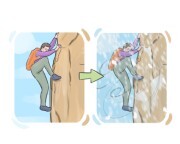
to continue doing something even though there are some hardships
придерживаться
Студентка придерживалась своего учебного графика, даже когда экзамены казались непосильными.
high level of skill, knowledge, or proficiency in a particular field or subject matter
экспертиза, мастерство
Экспертиза профессора в области нейронаук сделала его уважаемым авторитетом в этой области.
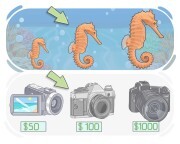
more than average, but not too much
довольно
Я нашел задание довольно легким; я закончил его за час.
an overall, conscious recognition or understanding of a situation, feeling, or environment
чувство, ощущение
У нее было ощущение, что она политический аутсайдер.
a specific case or example of something
пример, образец
В этом случае, жалоба клиента была быстро решена менеджером.
with a sharp or steep angle
остро
Вершина горы резко остро поднималась на фоне неба.

not in proper relation or balance to something else
непропорциональный, несоразмерный
Наказание казалось непропорциональным преступлению, поскольку простая ошибка не должна влечь за собой такие суровые последствия.
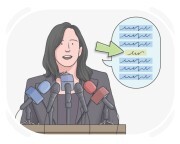
to give special attention or importance to something
подчеркнуть
Объясняя направления, я подчеркнул необходимость повернуть направо на главном перекрестке.
designed or made to be impossible to fail or make a mistake, even by someone with little skill or knowledge
безошибочный
Инструкции были безошибочными, не оставляя места для ошибок при сборке мебели.
(of a feeling, problem, or belief) to be really strong or troublesome due to having existed for a long time
иметь глубокие корни, сидеть глубоко
После десятилетий пренебрежения обида в городе имеет глубокие корни.
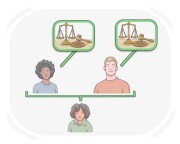
the details about someone's family, experience, education, etc.
происхождение
Во время собеседования они спросили о моем образовательном прошлом.

books, movies, etc. about imaginary things based on science
научная фантастика
Он любит читать научно-фантастические романы, действие которых происходит в далёких галактиках.
the use of machines and computers in a production process that was formerly operated by people
автоматизация
without taking into consideration or being influenced by a particular factor or condition
независимо от, не принимая во внимание
Я буду там завтра несмотря на погоду.

to represent or show something or someone by a work of art
изображать
Картина изображает безмятежный пейзаж с холмистыми холмами и спокойной рекой, извивающейся по долине.
a specific perspective or aspect from which something is viewed or interpreted
освещение, перспектива
Рассмотрение проблемы в новом свете помогло ему найти решение.
having qualities or characteristics similar to those found in movies or cinema
кинематографический, фильмовый
Описательная проза романа создала кинематографический опыт для читателей, живо изображая сцены и персонажей.
to cause something or someone to split into opposing groups
поляризоваться
Её речь поляризует аудиторию.
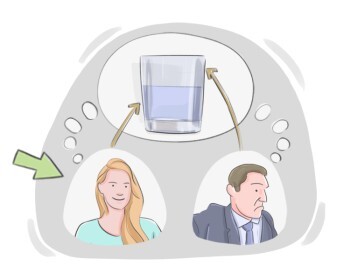
a person who expects good things to happen and is confident about the future
оптимист
Оптимист всегда верит, что в конце концов всё сложится хорошо.
an individual who regularly questions and doubts the validity of ideas, beliefs, or information, particularly those that are commonly accepted
скептик
Как скептик, Том всегда ищет доказательства, прежде чем принять какую-либо новую научную теорию.
not displaying feelings or giving very much information
охраняемый
Она оставалась настороженной во время интервью, раскрыв очень мало о своей личной жизни.
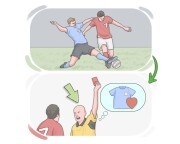
having a preference or unfair judgment toward one side or viewpoint over others
предубежденный
Статья журналиста была раскритикована за предвзятость в пользу определенной политической партии.
(of ideas, beliefs, or principles) firmly established and difficult to change
глубоко укоренившийся, прочно установленный
Традиции сообщества глубоко укоренились, передаются из поколения в поколение.
an inclination or habit to act in a certain way
тенденция
У неё есть тенденция грызть ногти, когда она нервничает.
to show someone or something in a piece of art
изображать
В своей скульптуре художник умело изобразил человеческую форму.
to be of use or help in fulfilling or accomplishing something
служить, быть полезным
Большая картонная коробка послужит этой цели.

drawing a lot of public attention or interest
громкий
Громкое судебное дело привлекло внимание СМИ по всей стране.
the act of monitoring a person or place, especially by the police
наблюдение
Полиция усилила наблюдение в районе после серии краж.
the act of applying or implementing an idea, theory, or plan into real-world actions or activities
практика
Предложенное решение казалось идеальным в теории, но столкнулось с несколькими проблемами на практике.

to make minor changes to something so that it is more suitable or better
модифицировать
Портной часто изменяет платья, чтобы обеспечить идеальную посадку.
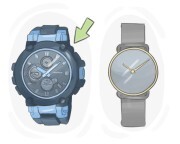
having many complex parts or details that make it difficult to understand or work with
запутанный
Замысловатый дизайн часов включал крошечные шестеренки и изящные гравировки.
to apply or utilize a device, tool, or method for a specific purpose
осуществлять, выполнять
Шеф-повар внедряет новую технику приготовления, чтобы усилить вкус блюда.
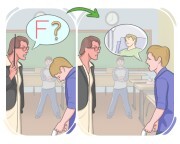
to provide a valid reason or explanation for an action, decision, or belief, usually something that others consider wrong
оправдать, обосновать
Ей пришлось оправдывать свой выбор карьеры в искусстве перед родителями, подчеркивая свою страсть и долгосрочные цели.
an observable fact, event, or situation, often unusual or not yet fully explained
феномен, наблюдаемый факт
Землетрясения — это природное явление, изучаемое геологами.
distrustful of others and skeptical of their intentions
недоверчивый, скептический
Недоверчивый коллега подвергал сомнению мотивы каждого решения, принятого командой.
to give one's time or commit oneself entirely to a certain matter, cause, or activity
посвящать, отдавать
Он посвятил несколько лет своей жизни исследованию решений в области возобновляемой энергии.
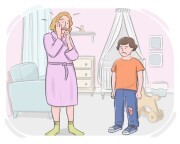
beyond what is considered normal or socially acceptable
чрезмерный, избыточный
Количество сахара в торте было чрезмерным, что делало его слишком сладким.
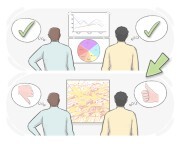
based on or influenced by personal feelings or opinions rather than facts
субъективный
Рецензия художественного критика была субъективной, отражая ее личный вкус, а не объективный анализ.
the act of representing or depicting a character, role, or subject through speech, actions, and gestures in a dramatic performance
изображение
Её исполнение роли королевы было высоко оценено за эмоциональную глубину.
personal knowledge or information about someone or something
знание, знакомство

someone who buys and uses services or goods
потребитель
Как потребитель, она предпочитает экологически чистые и устойчивые продукты.
a public document that clearly shows what actions a company, group, or government has taken, often about data, rules, or decisions
отчет о прозрачности, документ о прозрачности
Компания выпустила отчет о прозрачности по запросам пользовательских данных.
the tendency to focus on or believe information that supports what one already thinks, while ignoring information that goes against it
предвзятость подтверждения, склонность к подтверждению
Предвзятость подтверждения может повлиять на то, как кто-то оценивает доказательства.
