pattern

Cambridge IELTS 16 - Academic - Test 4 - Čtení - Pasáž 3

Naučte se slovní zásobu z Cambridge IELTS 16 Academic, Test 4 Reading Passage 3, a procvičte si užitečná slova a výrazy z tohoto čtecího textu.

Revize

Kartičky

tvary

Pravopis

Kvíz

Začněte se učit
Cambridge IELTS 16 - Academic
divergence
divergence
[Podstatné jméno]

a difference in interests, views, opinions, etc.

odchylka

odchylka

Ex: The political candidates showed a clear divergence in their views on healthcare. 

Političtí kandidáti prokázali jasnou divergenci ve svých názorech na zdravotní péči.

faith
faith
[Podstatné jméno]

complete confidence in a person or plan etc

víra, důvěra

víra, důvěra

Ex: I have faith that they will make the right decision. 
superiority
superiority
[Podstatné jméno]

the condition of being better in quality, ability, or value than another

nadřazenost,  převaha

nadřazenost, převaha

Ex: The chef attributed the dish's success to the superiority of its ingredients. 
projection
projection
[Podstatné jméno]

an estimate or prediction based on past observations or data

projekce, předpověď

projekce, předpověď

Ex: Climate projections warn of increasing temperatures. 
distrust
distrust
[Podstatné jméno]

a lack of belief or confidence in the truth or honesty of something or someone

nedůvěra, podezření

nedůvěra, podezření

Ex: Distrust in the media grew after several misleading reports. 

Nedůvěra v média vzrostla po několika zavádějících zprávách.

openness
openness
[Podstatné jméno]

the quality of being honest and easy to understand, without hiding intentions or information

otevřenost
otevřenost

Ex: Their openness about the project's risks reassured investors. 
stroke
stroke
[Podstatné jméno]

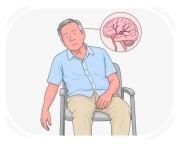
a dangerous condition in which a person loses consciousness as a result of a blood vessel breaking open or becoming blocked in their brain, which could kill or paralyze a part of their body

mrtvice, mozková příhoda

mrtvice, mozková příhoda

Ex: A stroke occurs when a blood vessel in the brain either becomes blocked (ischemic stroke) or bursts (hemorrhagic stroke). 
imagination
imagination
[Podstatné jméno]

the ability to form mental images or new ideas, especially of things that are not present or have not been experienced

představivost,  imaginace

představivost, imaginace

Ex: It takes imagination to turn a simple idea into an interesting story. 
to forecast
to forecast
[sloveso]

to predict a future event or condition, especially by analyzing available information

předpovídat,  prognózovat
předpovídat, prognózovat

Ex: The report forecasts warmer temperatures across the region. 
reluctant
reluctant
[Přídavné jméno]

not welcoming or willing to do something because it is undesirable

neochotný, váhavý

neochotný, váhavý

Ex: The dog was reluctant to enter the water, hesitating at the edge of the pool. 

Pes byl neochotný vstoupit do vody, váhal na okraji bazénu.

oncology
oncology
[Podstatné jméno]

a branch of medical science that specializes in the prevention, diagnosis, and treatment of cancer

onkologie

onkologie

Ex: The oncology research center is dedicated to finding new treatments and therapies to improve outcomes for cancer patients and ultimately find a cure for the disease. 

Výzkumné centrum onkologie je věnováno hledání nových léčebných postupů a terapií ke zlepšení výsledků pro pacienty s rakovinou a nakonec k nalezení léku na tuto nemoc.

giant
giant
[Podstatné jméno]

a business or organization that is exceptionally large and influential in its field

obr, obří společnost

obr, obří společnost

Ex: The tech giant announced its new innovative product line at the annual conference. 
public relations
public relations
[Podstatné jméno]

the process of presenting a favorable public image of a person, firm, or institution

vztahy s veřejností

vztahy s veřejností

Ex: They hired a public relations firm to help boost their presence in the media and attract more clients. 
to deliver
to deliver
[sloveso]

to provide or supply something that was expected or promised

dodat, poskytnout

dodat, poskytnout

Ex: The company failed to deliver the promised improvements. 
to account for

to represent a specific amount or portion of a whole

představovat, tvořit

představovat, tvořit

Ex: The expenses related to marketing activities account for a substantial part of the overall budget. 

Náklady spojené s marketingovými aktivitami tvoří podstatnou část celkového rozpočtu.

to interact
to interact
[sloveso]

to communicate with others, particularly while spending time with them

interagovat, komunikovat

interagovat, komunikovat

Ex: He finds it easy to interact with new people at social events. 

Považuje za snadné interagovat s novými lidmi na společenských akcích.

on the one hand
on the one hand
[Příslovce]

used to introduce one aspect of a situation, often followed by a contrasting statement

na jedné straně, jednak

na jedné straně, jednak

Ex: On the one hand, traveling abroad exposes you to new cultures and experiences, but on the other hand, it can be expensive and logistically challenging. 

Na jedné straně cestování do zahraničí vás vystavuje novým kulturám a zážitkům, ale na druhé straně to může být drahé a logisticky náročné.

guidance
guidance
[Podstatné jméno]

help and advice about how to solve a problem, given by someone who is knowledgeable and experienced

vedení,  poradenství

vedení, poradenství

Ex: The mentor provided invaluable guidance to the new employee, helping them navigate the intricacies of the job. 
to coincide
to coincide
[sloveso]

to be the same or very similar, especially in opinions, ideas, facts, or characteristics

shodovat se,  být v souladu

shodovat se, být v souladu

Ex: The two reports coincide on several important points. 
on the other (hand|)
on the other (hand)
[Příslovce]

used to introduce a contrasting aspect of a situation, especially when comparing it to a previous point

na druhé straně, naopak

na druhé straně, naopak

Ex: The plan could save money.  On the other hand, it might risk quality. 

Plán by mohl ušetřit peníze. Na druhou stranu by mohl riskovat kvalitu.

to generate
to generate
[sloveso]

to create a new set of data by using a mathematical or logical process to transform an existing set of data

generovat
generovat

Ex: The computer program generates random numbers for the simulation. 
to contradict
to contradict
[sloveso]

(of pieces of evidence, facts, statements, etc.) to be opposite or very different in a way that it is impossible for all to be true at the same time

odporovat

odporovat

Ex: Can you please clarify why your statement contradicts the information provided in the report? 

Můžete prosím objasnit, proč váš výrok odporuje informacím uvedeným ve zprávě?

competent
competent
[Přídavné jméno]

possessing the needed skills or knowledge to do something well

kompetentní, schopný

kompetentní, schopný

Ex: The pilot's competent navigation skills enabled a smooth and safe flight despite adverse weather conditions. 

Kompetentní navigační dovednosti pilota umožnily hladký a bezpečný let navzdory nepříznivým povětrnostním podmínkám.
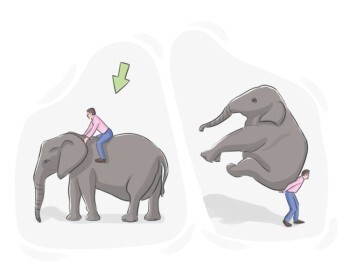
plausible
plausible
[Přídavné jméno]

seeming believable or reasonable enough to be considered true

věrohodný, přijatelný

věrohodný, přijatelný

Ex: The witness provided a plausible account of the events leading up to the accident, based on her observations. 

Svědek poskytl věrohodný popis událostí vedoucích k nehodě, založený na jejích pozorováních.

machine learning
machine learning
[Podstatné jméno]

a branch of AI in which computers learn from data without explicit programming

strojové učení

strojové učení

Ex: Machine learning requires large datasets to produce reliable results. 
algorithm
algorithm
[Podstatné jméno]

a finite sequence of well-defined, mathematical instructions for completing a specific task or solving a problem

algoritmus

algoritmus

Ex: The Fast Fourier Transform (FFT) algorithm efficiently computes the discrete Fourier transform of a sequence or its inverse. 

Algoritmus Rychlé Fourierovy transformace (FFT) efektivně počítá diskrétní Fourierovu transformaci sekvence nebo její inverzní.

consequently
consequently
[Příslovce]

used to indicate a logical result or effect

následně,  proto

následně, proto

Ex: The company invested heavily in research and development, and consequently, they launched innovative products that captured a wider market share. 

Společnost silně investovala do výzkumu a vývoje a v důsledku toho uvedla na trh inovativní produkty, které získaly větší podíl na trhu.

suspicion
suspicion
[Podstatné jméno]

a feeling or belief that something may be true, especially something wrong or undesirable, without definite proof

podezření,  podezřívavost

podezření, podezřívavost

Ex: His unusual behavior raised suspicion among his colleagues. 
disbelief
disbelief
[Podstatné jméno]

the state of not believing or accepting something as true or real

nedůvěra, nevíra

nedůvěra, nevíra

Ex: The audience listened in disbelief to the strange claims. 

Publikum poslouchalo podivná tvrzení s nedůvěrou.

outlandish
outlandish
[Přídavné jméno]

unconventional or strange in a way that is striking or shocking

extravagantní, podivný

extravagantní, podivný

Ex: The outlandish menu at the experimental restaurant featured avant-garde culinary creations that divided diners with their unconventional flavors. 

Podivné menu v experimentální restauraci představovalo avantgardní kulinářské kreace, které rozdělovaly strávníky svými nekonvenčními chutěmi.
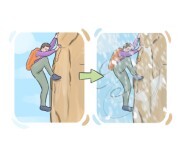
to stick to
to stick to
[sloveso]

to continue doing something even though there are some hardships

držet se, vytrvat v

držet se, vytrvat v

Ex: The team stuck to their strategy, even when they were losing the game. 

Tým setrval u své strategie, i když prohrával zápas.

expertise
expertise
[Podstatné jméno]

a high level of specialized knowledge or skill in a particular subject or activity

Ex: She shared her medical expertise with colleagues at the conference. 
fairly
fairly
[Příslovce]

more than average, but not too much

docela, poměrně

docela, poměrně

Ex: The restaurant was fairly busy when we arrived. 

Restaurace byla docela plná, když jsme dorazili.

technically
technically
[Příslovce]

with regard to technical skill and the technology available

technicky

technicky

sense
sense
[Podstatné jméno]

an overall, conscious recognition or understanding of a situation, feeling, or environment

smysl, pocit

smysl, pocit

Ex: She had the sense of being a political outsider. 
instance
instance
[Podstatné jméno]

a specific case or example of something

případ, příklad

případ, příklad

Ex: In this instance, the customer's complaint was resolved promptly by the manager. 
acutely
acutely
[Příslovce]

with a sharp or steep angle

pod ostrým úhlem, ostře

pod ostrým úhlem, ostře

Ex: The sculpture's edges were acutely angled, creating dramatic shadows. 

Okraje sochy byly ostře úhlované, což vytvářelo dramatické stíny.

disproportionate
disproportionate
[Přídavné jméno]

not in proper relation or balance to something else

nepřiměřený, nespravedlivý

nepřiměřený, nespravedlivý

Ex: The amount of homework assigned by the teacher seemed disproportionate, leaving students overwhelmed with workload. 

Množství domácích úkolů přidělených učitelem se zdálo nepřiměřené, což zanechalo studenty přetížené pracovní zátěží.
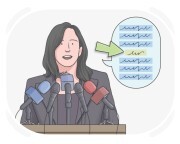
to emphasize
to emphasize
[sloveso]

to give special attention or importance to something

zdůraznit, klást důraz na

zdůraznit, klást důraz na

Ex: The teacher emphasized the importance of checking your work. 
foolproof
foolproof
[Přídavné jméno]

designed or made to be impossible to fail or make a mistake, even by someone with little skill or knowledge

neprůstřelný, spolehlivý

neprůstřelný, spolehlivý

Ex: The company claimed their software was foolproof, guaranteeing smooth operation without user errors. 

Společnost tvrdila, že jejich software byl neprůstřelný, zaručující hladký provoz bez chyb uživatele.

to [run] deep
to run deep
[fráze]

(of a feeling, problem, or belief) to be really strong or troublesome due to having existed for a long time

být hluboce zakořeněný, sahat hluboko

být hluboce zakořeněný, sahat hluboko

Ex: The problems in the school system run deeper than a lack of funding. 

Problémy ve školském systému sahají hlouběji než jen k nedostatku financí.
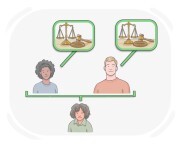
background
background
[Podstatné jméno]

the details about someone's family, experience, education, etc.

minulost, životopis

minulost, životopis

Ex: During the interview, they asked about my educational background. 
science fiction
science fiction
[Podstatné jméno]

books, movies, etc. about imaginary things based on science

vědeckofantastická literatura, sci-fi

vědeckofantastická literatura, sci-fi

Ex: The science fiction film was filled with advanced technology and alien life. 

Science fiction film byl plný pokročilé technologie a mimozemského života.

automation
automation
[Podstatné jméno]

the use of machines and computers in a production process that was formerly operated by people

automatizace

automatizace

regardless of
regardless of
[předložka]

without taking into consideration or being influenced by a particular factor or condition

bez ohledu na, aniž by se bral v úvahu

bez ohledu na, aniž by se bral v úvahu

Ex: Regardless of the cost, they are determined to renovate their home. 

Bez ohledu na náklady, jsou odhodláni zrekonstruovat svůj domov.

to depict
to depict
[sloveso]

to represent someone or something in a picture, painting, drawing, or other visual artwork

Ex: The illustration depicts a bird resting on a branch. 
light
light
[Podstatné jméno]

a specific perspective or aspect from which something is viewed or interpreted

osvětlení, perspektiva

osvětlení, perspektiva

Ex: Seeing the problem in a new light helped him find a solution. 
cinematic
cinematic
[Přídavné jméno]

having qualities or characteristics similar to those found in movies or cinema

filmový, kinematografický

filmový, kinematografický

Ex: The stage production used cinematic techniques, such as projection mapping, to enhance the visual spectacle. 

Jevištní produkce použila filmové techniky, jako je projekční mapování, aby zlepšila vizuální podívanou.

to polarize
to polarize
[sloveso]

to cause something or someone to split into opposing groups

polarizovat, dělit

polarizovat, dělit

Ex: The leader's actions did not polarize the party. 

Činy vůdce stranu nepolarizovaly.

optimist
optimist
[Podstatné jméno]

a person who expects good things to happen and is confident about the future

optimista, optimistická osoba

optimista, optimistická osoba

Ex: Many people appreciate the optimist’s ability to uplift the mood. 

Mnoho lidí oceňuje schopnost optimisty pozvednout náladu.

skeptic
skeptic
[Podstatné jméno]

an individual who regularly questions and doubts the validity of ideas, beliefs, or information, particularly those that are commonly accepted

skeptik

skeptik

Ex: He remained a skeptic, refusing to believe in UFO sightings without solid evidence. 

Zůstal skeptikem, odmítajíc věřit v pozorování UFO bez solidních důkazů.

guarded
guarded
[Přídavné jméno]

not displaying feelings or giving very much information

zdrženlivý, opatrný

zdrženlivý, opatrný

Ex: The patient was initially guarded with the therapist but gradually opened up over time. 

Pacient byl zpočátku opatrný s terapeutem, ale postupem času se otevřel.
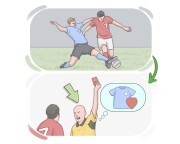
biased
biased
[Přídavné jméno]

having a preference or unfair judgment toward one side or viewpoint over others

zaujatý, předpojatý

zaujatý, předpojatý

Ex: It's important to consider multiple sources of information to avoid being biased in your conclusions. 

Je důležité zvážit více zdrojů informací, aby se zabránilo zaujatosti ve vašich závěrech.

deep-rooted
deep-rooted
[Přídavné jméno]

(of ideas, beliefs, or principles) firmly established and difficult to change

hluboce zakořeněný, pevně založený

hluboce zakořeněný, pevně založený

Ex: Her deep-rooted belief in equality guided her actions throughout her life. 

Její hluboce zakořeněná víra v rovnost řídila její činy po celý život.

tendency
tendency
[Podstatné jméno]

an inclination or habit to act in a certain way

tendence, sklon

tendence, sklon

Ex: She has a tendency to bite her nails when nervous. 
to represent
to represent
[sloveso]

to show someone or something in a piece of art

reprezentovat

reprezentovat

Ex: The artist chose to represent the beauty of nature in a vibrant landscape. 
pertinently
pertinently
[Příslovce]

in a pertinent way

případně,  vhodným způsobem

případně, vhodným způsobem

to serve
to serve
[sloveso]

to be of use or help in fulfilling or accomplishing something

sloužit, být užitečný

sloužit, být užitečný

Ex: A large cardboard box will serve the purpose. 
high-profile
high-profile
[Přídavné jméno]

drawing a lot of public attention or interest

mediální, vysoce profilovaný

mediální, vysoce profilovaný

Ex: The scandal involving a high-profile public figure dominated headlines for weeks, sparking intense public interest and debate. 

Skandál zahrnující významnou veřejnou osobu ovládl titulky na týdny, což vyvolalo intenzivní veřejný zájem a debatu.

surveillance
surveillance
[Podstatné jméno]

the act of monitoring a person or place, especially by the police

dohled, monitorování

dohled, monitorování

Ex: The team set up surveillance at the suspect's home to gather evidence. 

Tým zřídil dohled v domě podezřelého, aby shromáždil důkazy.

disclosure
disclosure
[Podstatné jméno]

the act of making previously private, secret, or unknown information known

zveřejnění,  odhalení

zveřejnění, odhalení

Ex: Greater disclosure could improve transparency within the organization. 
practice
practice
[Podstatné jméno]

the act of applying or implementing an idea, theory, or plan into real-world actions or activities

praxe

praxe

Ex: The proposed solution seemed ideal in theory, but it faced several challenges in practice. 
to modify
to modify
[sloveso]

to make partial changes to something, usually to improve it or make it more suitable

upravit
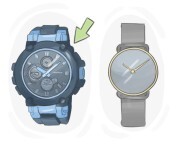
upravit

Ex: Scientists genetically modified the plants to resist certain pests. 
intricate
intricate
[Přídavné jméno]

having many complex parts or details that make it difficult to understand or work with

složitý, podrobný

složitý, podrobný

Ex: The project required an intricate strategy to ensure its success. 

Projekt vyžadoval složitou strategii, aby zajistil jeho úspěch.

workings
workings
[Podstatné jméno]

the internal parts and mechanisms through which a device operates

mechanismus,  fungování

mechanismus, fungování

Ex: The manual explains the basic workings of the engine. 
to implement
to implement
[sloveso]

to apply or utilize a device, tool, or method for a specific purpose

aplikovat, používat
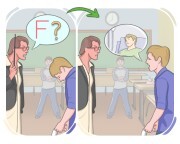
aplikovat, používat

Ex: The chef implements a new cooking technique to enhance the flavor of the dish. 
to justify
to justify
[sloveso]

to provide a valid reason or explanation for an action, decision, or belief, usually something that others consider wrong

ospravedlnit, obhajovat

ospravedlnit, obhajovat

Ex: She had to justify her choice to pursue a career in the arts to her parents, emphasizing her passion and long-term goals. 
phenomenon
phenomenon
[Podstatné jméno]

an observable fact, event, or situation, often unusual or not yet fully explained

jev, pozorovatelný fakt

jev, pozorovatelný fakt

Ex: The comet's appearance was an extraordinary phenomenon. 
mistrustful
mistrustful
[Přídavné jméno]

distrustful of others and skeptical of their intentions

nedůvěřivý, skeptický

nedůvěřivý, skeptický

Ex: The mistrustful friend was reluctant to confide in others, fearing betrayal. 

Nedůvěřivý přítel se nechtěl svěřovat ostatním, protože se bál zrady.

to devote
to devote
[sloveso]

to give a large amount of one's time, energy, or effort to a person, activity, or cause

věnovat,  zasvětit

věnovat, zasvětit

Ex: They decided to devote their free time to caring for abandoned animals. 
excessive
excessive
[Přídavné jméno]

beyond what is considered normal or socially acceptable

nadměrný, přemrštěný

nadměrný, přemrštěný

Ex: The storm caused excessive damage to the property, far beyond what was expected. 

Bouře způsobila nadměrné škody na majetku, daleko za hranicemi očekávání.
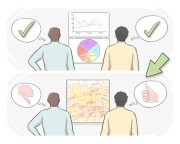
subjective
subjective
[Přídavné jméno]

based on or influenced by personal feelings or opinions rather than facts

subjektivní, osobní

subjektivní, osobní

Ex: Their ranking system was too subjective, making it hard to measure fairness. 

Jejich systém hodnocení byl příliš subjektivní, což ztěžovalo měření spravedlnosti.

portrayal
portrayal
[Podstatné jméno]

the act of representing or depicting a character, role, or subject through speech, actions, and gestures in a dramatic performance

zobrazení, interpretace

zobrazení, interpretace

Ex: The teacher complimented her portrayal of Juliet during the school play. 

Učitel pochválil její zobrazení Julie během školního představení.

familiarity
familiarity
[Podstatné jméno]

personal knowledge or information about someone or something

znalost, obeznámenost

znalost, obeznámenost

consumer
consumer
[Podstatné jméno]

someone who buys and uses services or goods

spotřebitel, zákazník

spotřebitel, zákazník

Ex: As a consumer, she prefers products that are eco-friendly and sustainable. 
transparency report
transparency report
[Podstatné jméno]

a public document that clearly shows what actions a company, group, or government has taken, often about data, rules, or decisions

zpráva o transparentnosti, dokument o transparentnosti

zpráva o transparentnosti, dokument o transparentnosti

Ex: The government shared a transparency report on surveillance. 

Vláda zveřejnila zprávu o transparentnosti týkající se dohledu.

confirmation bias
confirmation bias
[Podstatné jméno]

the tendency to focus on or believe information that supports what one already thinks, while ignoring information that goes against it

potvrzovací zkreslení, konfirmační zkreslení

potvrzovací zkreslení, konfirmační zkreslení

Ex: She only listened to opinions that matched her own, showing confirmation bias. 

Poslouchala pouze názory, které se shodovaly s jejími vlastními, což ukazovalo potvrzovací zkreslení.

LanGeek
Stáhnout aplikaci LanGeek