

describing a disease or condition that spreads rapidly and affects a large number of people within a specific area or community during a particular period

epidemisk, endemisk
Den epidemiska situationen krävde omedelbar intervention från regeringen.
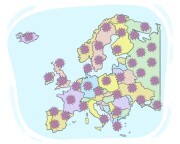
(of a disease) spreading rapidly and affecting many people across the world
pandemisk, som rör en pandemi
Den framgångsrika inneslutningen förhindrade att epidemin utvecklades till en pandemi kris.

(anatomy) the outer layer of the skin that overlays the dermis
epidermis, hudens yttersta lager
Tatueringar bläckas in i dermisskiktet under det yttre skyddande epidermis.
referring to a widespread outbreak of disease among animals in a region or population
epizootisk, relaterad till en epizooti
Flera stater rapporterade lokaliserade men allvarliga epizootiska infektioner av blåtungvirus i hjort- och boskapshjordar förra säsongen.
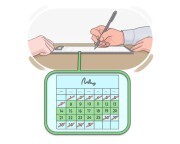
intended to be temporary until something permanent is established or available
tillförordnad, interimistisk
to insert a comment, remark, or question abruptly into a conversation
inlägga, avbryta
Hon kastade in ett skämt som fick alla att skratta.

someone who takes an active verbal role in exchanging views as part of a multi-party discussion, conversation, or interview
samtalspartner, aktiv deltagare i en konversation
Vid presskonferensen tog reportrarna tur att vara samtalspartner genom att rikta frågor till personerna på panelen.
a person who becomes involved in a place or situation where they are not wanted or do not belong
inkräktare, objuden gäst
Konkurrerande företag såg startupen som en inkräktare på sin marknad.
a short interval between parts of a play, movie, etc.
interludium, paus
Interludet i filmen fungerade som en övergång till en ny berättelse.
to act as an agent between two parties in order to help resolve a problem or bring about an agreement
medla, agera medlare
a temporary suspension in an ongoing activity before it resumes once more
paus, avbrott
having the capability or tendency to err, sin or display weaknesses due to imperfect human nature
felbar, syndig
Hans insisterande på perfektion gör honom redo för besvikelse, eftersom vi alla är felbara i vissa avseenden.
a small excusable offense or mistake
liten förseelse, mindre fel
Han ryckte på axlarna åt sitt mindre misstag som en ren peccadillo, inte värt att oroa sig för.
likely to commit faults, errors, or sins
benägen att begå fel, syndig
Forskarna fann designen peccant på grund av en mindre tillverkningsdefekt under vissa förhållanden.
a minor remaining part or trace of something that is no longer present in full
spår, lämning
Vissa biologiska strukturer ger spår av evolutionära egenskaper som inte längre är nödvändiga för överlevnad.
(of body parts) not as developed as it used to be in earlier relatives
rudimentär, kvarvarande
Flygoförmögna fåglar som strutsar behåller rudimentära vingar som är mycket mindre än deras flygande släktingar.
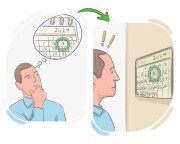
to be at fault or make mistakes, especially in one's thinking, judgment, or actions
fela, göra ett misstag
Att fela är mänskligt, men att vägra rätta till sina misstag är klokt.
mistaken or inaccurate due to flaws in reasoning, evidence, or factual support
felaktig, oriktig
Hans felaktiga beräkningar i budgeten resulterade i betydande ekonomiska fel.
deviating from proper behavior, rules, or the expected path
villfarende, avvikande
Romanens handling snubblar när dess huvudperson gör avvikande moraliska val.
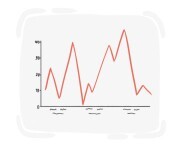
having a strong potential for sudden variations or fluctuations that cannot be predicted
oförutsägbar, nyckfull
Finansiell analys blev utmanande med så många oförutsägbara ekonomiska indikatorer som är benägna att plötsligt ändras på ett ögonblick.
