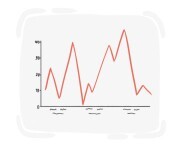

describing a disease or condition that spreads rapidly and affects a large number of people within a specific area or community during a particular period

epidêmico, endêmico
A epidemia de desinformação se espalhou rapidamente pelas plataformas de mídia social.
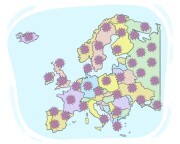
(of a disease) spreading rapidly and affecting many people across the world
pandêmico, de pandemia
O confinamento bem-sucedido impediu que a epidemia evoluísse para uma crise pandêmica.

(anatomy) the outer layer of the skin that overlays the dermis
epiderme, camada externa da pele
As tatuagens são tatuadas na camada da derme sob a epiderme protetora externa.
referring to a widespread outbreak of disease among animals in a region or population
epizoótico, relativo a uma epizootia
Vários estados relataram infecções epizoóticas localizadas, mas graves, do vírus da língua azul em rebanhos de veados e gado na última temporada.
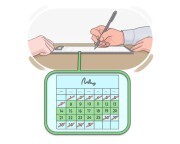
intended to be temporary until something permanent is established or available
interino, provisório
to insert a comment, remark, or question abruptly into a conversation
interpor, interromper
Tentei intervir, mas eles estavam muito imersos no debate.

someone who takes an active verbal role in exchanging views as part of a multi-party discussion, conversation, or interview
interlocutor, participante ativo em uma conversa
Na coletiva de imprensa, os repórteres se revezaram como interlocutor direcionando perguntas para as pessoas no painel.
a person who becomes involved in a place or situation where they are not wanted or do not belong
intruso, penetra
Ela ressentiu o intruso que se juntou à sua conversa privada.
a short interval between parts of a play, movie, etc.
interlúdio, intervalo
O interlúdio deu aos atores a chance de descansar e trocar de figurino.
to act as an agent between two parties in order to help resolve a problem or bring about an agreement
intermediar, atuar como intermediário
a temporary suspension in an ongoing activity before it resumes once more
intermissão, pausa
having the capability or tendency to err, sin or display weaknesses due to imperfect human nature
falível, pecador
Até os planos mais prudentes podem dar errado, pois todos os seres são pecáveis até certo ponto.
a small excusable offense or mistake
pecadilho, pequena falta
Os erros de digitação ocasionais do autor foram considerados pequenos deslizes em vez de erros graves.
likely to commit faults, errors, or sins
propenso a falhas, pecaminoso
Os pesquisadores descobriram que o design peccant devido a um pequeno defeito de fabricação sob certas condições.
a minor remaining part or trace of something that is no longer present in full
vestígio, traço
A casa abandonada ainda continha alguns vestígios da família que ali viveu.
(of body parts) not as developed as it used to be in earlier relatives
vestigial, rudimentar
Ele explorou as ruínas antigas, fascinado pelos restos vestigiais da cidade outrora próspera.
to be at fault or make mistakes, especially in one's thinking, judgment, or actions
errar, cometer um erro
Errar é humano, mas recusar-se a corrigir os próprios erros é imprudente.
mistaken or inaccurate due to flaws in reasoning, evidence, or factual support
errôneo, incorreto
Eles tiveram que retirar sua declaração depois de descobrir que ela era baseada em informações errôneas.