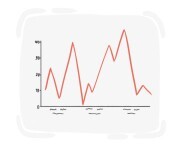

describing a disease or condition that spreads rapidly and affects a large number of people within a specific area or community during a particular period

epidemico, endemico
L'epidemia di disinformazione si è diffusa rapidamente attraverso le piattaforme dei social media.
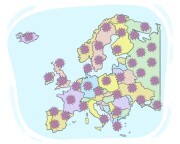
(of a disease) spreading rapidly and affecting many people across the world
pandemia
Gli scienziati avvertono delle future minacce di pandemia poste da malattie che possono emergere da ospiti animali.

(anatomy) the outer layer of the skin that overlays the dermis
epidermide
L'esposizione al sole può danneggiare nel tempo le cellule dell'epidermide e aumentare il rischio di cancro alla pelle.
referring to a widespread outbreak of disease among animals in a region or population
epizootico, relativo a un'epizootia
Il virus della peste suina epizootica rappresenta una seria minaccia per gli allevamenti suini commerciali in tutto il mondo.
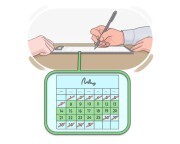
intended to be temporary until something permanent is established or available
temporaneo
to insert a comment, remark, or question abruptly into a conversation
interporre, interrompere
"Non è vero", interloquì, alzando la voce.

someone who takes an active verbal role in exchanging views as part of a multi-party discussion, conversation, or interview
interlocutore, partecipante attivo in una conversazione
Il conduttore del talk show era un interlocutore coinvolgente, avendo scambi interessanti con gli ospiti del programma.
a person who becomes involved in a place or situation where they are not wanted or do not belong
intruso, estraneo
Lei ha risentito l'intruso che si è unito alla loro conversazione privata.
a short interval between parts of a play, movie, etc.
interludio
L'interludio ha dato agli attori la possibilità di riposarsi e cambiare costume.
to act as an agent between two parties in order to help resolve a problem or bring about an agreement
intermediare, fare da intermediario
a temporary suspension in an ongoing activity before it resumes once more
intermissione, pausa
having the capability or tendency to err, sin or display weaknesses due to imperfect human nature
fallibile, peccatore
I teologi sostenevano che gli esseri umani sono creature peccabili bisognose di perdono e redenzione.
a small excusable offense or mistake
peccadillo
Gli occasionali errori di battitura dell'autore erano considerati peccatucci piuttosto che errori gravi.
likely to commit faults, errors, or sins
propenso a commettere errori, peccaminoso
Essere stanca ha reso il suo giudizio temporaneamente peccabile e più incline a commettere piccoli errori.
a minor remaining part or trace of something that is no longer present in full
vestigio, traccia
Gli archeologi hanno studiato i vestigi di ceramica e utensili per conoscere le antiche civiltà.
(of body parts) not as developed as it used to be in earlier relatives
vestigiale, rudimentale
Esplorò le antiche rovine, affascinato dai resti vestigiali della città un tempo fiorente.
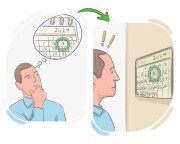
to be at fault or make mistakes, especially in one's thinking, judgment, or actions
sbagliare, commettere un errore
Tutti sbagliano occasionalmente quando svolgono più compiti o lavorano sotto pressione.
mistaken or inaccurate due to flaws in reasoning, evidence, or factual support
erroneo
Hanno dovuto ritrattare la loro dichiarazione dopo aver scoperto che era basata su informazioni errate.