

describing a disease or condition that spreads rapidly and affects a large number of people within a specific area or community during a particular period

epidemický, endemický
Epidemie dezinformací se rychle šířila prostřednictvím platforem sociálních médií.
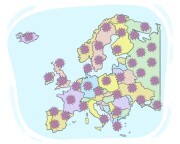
(of a disease) spreading rapidly and affecting many people across the world
pandemický, související s pandemií
Vypuknutí SARS v roce 2003 bylo zadrženo, než se stalo pandemickou krizí veřejného zdraví.

(anatomy) the outer layer of the skin that overlays the dermis
pokožka, vnější vrstva kůže
Epidermis je nejvnější vrstva kůže, která poskytuje ochrannou bariéru pro tělo.
referring to a widespread outbreak of disease among animals in a region or population
epizootický, vztahující se k epizootii
Vědci sledují potenciální epizootické viry ptačí chřipky, které by se mohly rychle šířit mezi populacemi volně žijících ptáků.
intended to last only until something permanent is presented
dočasný, prozatímní
Prozatímní zpráva byla předložena, aby poskytla předběžné výsledky před dokončením úplné studie.
to insert a comment, remark, or question abruptly into a conversation
vmísit, přerušit
On vsunul sarkastickou poznámku, která prolomila napětí.

someone who takes an active verbal role in exchanging views as part of a multi-party discussion, conversation, or interview
protějšek, aktivní účastník rozhovoru
V mnoha Platónových dialozích vystupuje Sokrates jako hlavní protějšek, zapojující ostatní do filozofické diskuse.
a person who becomes involved in a place or situation where they are not wanted or do not belong
vetřelec, nezvaný host
Cítila zášť vůči vetřelci, který se připojil k jejich soukromému rozhovoru.
a short interval between parts of a play, movie, etc.
interludium, přestávka
Intermezzo dalo hercům šanci odpočinout si a převléknout se.
to act as an agent between two parties in order to help resolve a problem or bring about an agreement
zprostředkovat, jednat jako zprostředkovatel
Vůdci odborů a vedení společnosti se dohodli na zprostředkování během smluvních jednání, aby pomohli dosáhnout kompromisu.
a temporary suspension in an ongoing activity before it resumes once more
přestávka, přerušení
having the capability or tendency to err, sin or display weaknesses due to imperfect human nature
omylný, hříšný
Teologové tvrdili, že lidé jsou hříšné bytosti, které potřebují odpuštění a vykoupení.
a small excusable offense or mistake
drobné provinění, malá chyba
Autorovy občasné překlepy byly považovány za drobné prohřešky spíše než za vážné chyby.
likely to commit faults, errors, or sins
náchylný k chybám, hříšný
Špatné manažerské praktiky zanechaly systém náchylný k chybám v plýtvání a neefektivitě.
a minor remaining part or trace of something that is no longer present in full
stopa, pozůstatek
Archeologové studovali pozůstatky keramiky a nástrojů, aby se dozvěděli o starověkých civilizacích.
(of body parts) not as developed as it used to be in earlier relatives
zakrnělý, pozůstatkový
Prozkoumal starověké ruiny, fascinován zakrnělými pozůstatky kdysi prosperujícího města.
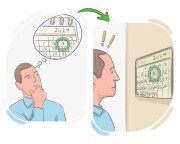
to be at fault or make mistakes, especially in one's thinking, judgment, or actions
mýlit se, udělat chybu
I když je občasné chybování odpustitelné, přetrvávající nebo závažné chyby mohou vyžadovat odpovědnost.
mistaken or inaccurate due to flaws in reasoning, evidence, or factual support
chybný, nepřesný
Museli své prohlášení stáhnout poté, co zjistili, že bylo založeno na chybných informacích.
deviating from proper behavior, rules, or the expected path
zbloudilý, odchylující se
Bludné zvěsti o fúzi způsobily zbytečnou paniku mezi zaměstnanci.
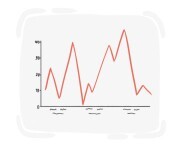
having a strong potential for sudden variations or fluctuations that cannot be predicted
nepředvídatelný, nestálý
Nestálé tempo jeho práce způsobilo neustálé narušení v kanceláři.
