

pattern

Kỹ Năng Từ Vựng SAT 1 - Bài 4

Xem lại

Thẻ ghi nhớ

Chính tả

Đố vui

Bắt đầu học
SAT Word Skills 1
delectable
delectable
[Tính từ]

tasting or smelling very good

ngon tuyệt, thơm ngon

ngon tuyệt, thơm ngon

Ex: The delectable aroma of freshly baked bread filled the kitchen. 

Mùi thơm ngon miệng của bánh mì mới nướng tràn ngập nhà bếp.

delectation
delectation
[Danh từ]

the act of finding satisfaction and pleasure in something

sự thích thú, niềm vui

sự thích thú, niềm vui

Ex: The writer derived delectation from crafting stories that captivated readers and sparked their imagination. 

Nhà văn đã có được niềm vui thích từ việc sáng tác những câu chuyện lôi cuốn độc giả và khơi dậy trí tưởng tượng của họ.

to delegate
to delegate
[Động từ]

to assign or entrust a task or responsibility to someone else, often as a representative

ủy thác, giao phó

ủy thác, giao phó

Ex: The manager delegated Sarah to organize the company's annual conference. 

Người quản lý đã ủy thác Sarah tổ chức hội nghị thường niên của công ty.

deleterious
deleterious
[Tính từ]

inflicting damage or harm on someone or something

có hại, gây tổn hại

có hại, gây tổn hại

Ex: Smoking is known to have deleterious impacts on overall health. 

Hút thuốc được biết là có tác động có hại đến sức khỏe tổng thể.

maladroit
maladroit
[Tính từ]

clumsy or awkward in movement or behavior due to a lack of skill

vụng về, lóng ngóng

vụng về, lóng ngóng

Ex: The diplomat's maladroit handling of the crisis worsened tensions. 

Việc xử lý vụng về cuộc khủng hoảng của nhà ngoại giao đã làm trầm trọng thêm căng thẳng.
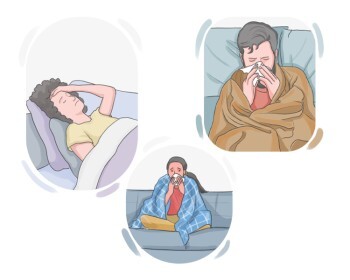
malady
malady
[Danh từ]

any physical problem that might put one's health in danger

bệnh tật, chứng bệnh

bệnh tật, chứng bệnh

Ex: The doctor diagnosed her with a mysterious malady that caused chronic fatigue and muscle weakness. 

Bác sĩ chẩn đoán cô ấy mắc một căn bệnh bí ẩn gây ra mệt mỏi mãn tính và yếu cơ.

malaise
malaise
[Danh từ]

a feeling of being physically ill and irritated without knowing the reason

khó chịu

khó chịu

Ex: She felt a general sense of malaise, with fatigue and a lack of energy persisting for several days. 

Cô ấy cảm thấy một cảm giác khó chịu chung, với sự mệt mỏi và thiếu năng lượng kéo dài trong nhiều ngày.

malapropism
malapropism
[Danh từ]

the humorous and incorrect use of a word that sounds similar to the intended word

sự dùng sai từ, lỗi dùng từ tương tự

sự dùng sai từ, lỗi dùng từ tương tự

Ex: His malapropism during the speech made everyone laugh when he said "pacifically" instead of "specifically." 

Sự nhầm lẫn từ ngữ của anh ấy trong bài phát biểu đã khiến mọi người cười khi anh ấy nói «pacifically» thay vì «specifically».

vernacular
vernacular
[Danh từ]

the everyday language spoken by a particular group of people in a specific region or community

tiếng địa phương, ngôn ngữ hàng ngày

tiếng địa phương, ngôn ngữ hàng ngày

Ex: The playwright masterfully incorporated regional vernacular into the dialogue of the characters. 

Nhà soạn kịch đã khéo léo kết hợp tiếng địa phương vào lời thoại của các nhân vật.

vernal
vernal
[Tính từ]

representing anything young and fresh

xuân, trẻ trung

xuân, trẻ trung

Ex: The poet's verses reflected a vernal optimism, capturing the spirit of youthful hope and renewal. 

Những câu thơ của nhà thơ phản ánh một sự lạc quan mùa xuân, nắm bắt tinh thần hy vọng và đổi mới tuổi trẻ.

versatile
versatile
[Tính từ]

prone to change or alteration

thay đổi, biến động

thay đổi, biến động

Ex: The versatile nature of the project allows for flexible planning. 

Bản chất linh hoạt của dự án cho phép lập kế hoạch linh hoạt.

to agglomerate
to agglomerate
[Động từ]

to come together or grow into a unified mass or cluster

tụ lại, kết tụ

tụ lại, kết tụ

Ex: Over time, the coffee grounds in the French press would agglomerate, creating a thick sludge at the bottom. 

Theo thời gian, bã cà phê trong bình pha cà phê kiểu Pháp sẽ kết tụ lại, tạo ra một lớp bùn dày ở dưới đáy.

to aggregate
to aggregate
[Động từ]

to gather into a group or a whole

tập hợp, gom lại

tập hợp, gom lại

Ex: Over time, data from various sources aggregate to provide a comprehensive understanding of the market trends. 

Theo thời gian, dữ liệu từ các nguồn khác nhau tích lũy để cung cấp một sự hiểu biết toàn diện về xu hướng thị trường.

to aggrandize
to aggrandize
[Động từ]

to make a person or thing seem more important or impressive than they actually are

phóng đại, tôn vinh

phóng đại, tôn vinh

Ex: The politician's speeches often aggrandize his past achievements. 

Những bài phát biểu của chính trị gia thường thổi phồng những thành tích trong quá khứ của ông ta.

knave
knave
[Danh từ]

the card in a set of card games with a picture of a young man printed on it, which is typically the lowest-ranking face card

con J, lá J

con J, lá J

Ex: The player holding the knave can often influence the outcome of a round. 

Người chơi cầm lá bài jacks thường có thể ảnh hưởng đến kết quả của một vòng.

knavery
knavery
[Danh từ]

a deceiving and unjust action

gian lận, lừa đảo

gian lận, lừa đảo

Ex: The congressman was accused of political knavery after altering documents to shift blame for a spending scandal. 

Nghị sĩ bị buộc tội gian lận chính trị sau khi sửa đổi tài liệu để đổ lỗi cho vụ bê bối chi tiêu.

to navigate
to navigate
[Động từ]

to choose the direction of and guide a vehicle, ship, etc., especially by using a map

điều hướng, dẫn đường

điều hướng, dẫn đường

Ex: The driving instructor taught the student how to navigate through traffic and use road signs. 

Giáo viên dạy lái xe đã dạy học sinh cách điều hướng qua giao thông và sử dụng biển báo đường.

navigable
navigable
[Tính từ]

(of a sea or other area of water) deep or wide enough for ships or boats to travel through

có thể đi lại được bằng tàu thuyền, đủ sâu hoặc rộng để tàu thuyền đi qua

có thể đi lại được bằng tàu thuyền, đủ sâu hoặc rộng để tàu thuyền đi qua

Ex: The lake is only navigable by small boats. 

Hồ chỉ có thể đi lại được bằng thuyền nhỏ.

LanGeek
Tải ứng dụng LanGeek