


tasting or smelling very good

przepyszny, smaczny
Przygotowała pyszne danie z makaronem i owocami morza, po którym wszyscy chcieli więcej.

the act of finding satisfaction and pleasure in something
rozkosz, przyjemność
Znalazła wielką przyjemność w ogrodnictwie, pielęgnując swoje rośliny i obserwując ich wzrost.
to assign or entrust a task or responsibility to someone else, often as a representative
delegować, powierzać
Kapitan drużyny delegował Marka do trenowania nowych zawodników na sezon.
inflicting damage or harm on someone or something
szkodliwy, niszczący
Jego szkodliwe zachowanie podczas spotkań stworzyło toksyczne środowisko pracy.
clumsy or awkward in movement or behavior due to a lack of skill
niezdarny, niezgrabny
Niezdarne wykonanie planu przez zespół doprowadziło do opóźnień.
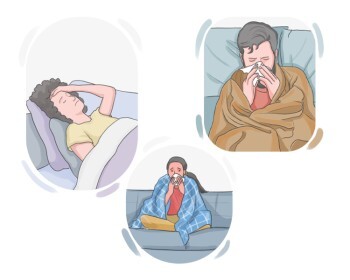
any physical problem that might put one's health in danger
choroba, dolegliwość
Pomimo szeroko zakrojonych badań, dokładna przyczyna jego choroby pozostała nieznana, co wprawiło lekarzy w zakłopotanie.
a feeling of being physically ill and irritated without knowing the reason
złe samopoczucie
Lekarz zauważył, że złe samopoczucie może być niespecyficznym objawem wskazującym na podstawowy problem zdrowotny, taki jak infekcja lub choroba przewlekła.
the humorous and incorrect use of a word that sounds similar to the intended word
malapropizm, błędne użycie słowa
Jego urocze malapropizmy, takie jak "hectic" zamiast "hectic", sprawiły, że był lubiany przez swoich kolegów pomimo pomyłek.
the everyday language spoken by a particular group of people in a specific region or community
język wernakularny, język codzienny
W targowym zgiełku można było usłyszeć mieszankę różnych gwar, gdy ludzie rozmawiali.

representing anything young and fresh
wiosenny, młodzieńczy
Wiosenny talent młodego artysty wykazywał dużą obietnicę i potencjał na przyszły sukces.
prone to change or alteration
zmienny, niestały
Wszechstronny harmonogram można dostosować w zależności od potrzeb.
to come together or grow into a unified mass or cluster
aglomerować, gromadzić się
Cząsteczki kurzu w powietrzu zaczęły się aglomerować, tworząc gęste chmury.

to gather into a group or a whole
agregować, gromadzić
Żwir i piasek gromadzą się w korycie rzeki, tworząc naturalne złoża.
to make a person or thing seem more important or impressive than they actually are
wyolbrzymiać, uwznioślać
Media mają tendencję do wyolbrzymiania sław, aby przyciągnąć więcej widzów.
the card in a set of card games with a picture of a young man printed on it, which is typically the lowest-ranking face card
walet, walet
Strategicznie odrzuciłem waleta, aby zmusić przeciwnika do zmarnowania wyższej karty.
a deceiving and unjust action
oszustwo, podstęp
Jego reputacja oszustwa wyprzedzała go, sprawiając, że ludzie byli ostrożni w jakichkolwiek interesach z nim.

to choose the direction of and guide a vehicle, ship, etc., especially by using a map
nawigować, kierować
Używając papierowej mapy, turyści na zmianę nawigowali.
(of a sea or other area of water) deep or wide enough for ships or boats to travel through
żeglowny, przejezdny dla statków
Ulewne deszcze sprawiły, że kiedyś suchy strumień znów stał się żeglowny.
