
Habilidades de Palabras SAT 1 - Lección 4
Revisión
Tarjetas de memoria
Ortografía
Cuestionario


tasting or smelling very good

delicioso, exquisito
El aroma delicioso del pan recién horneado llenaba la cocina.

the act of finding satisfaction and pleasure in something
deleite
Ella encontró una gran delectación en la jardinería, cuidando de sus plantas y presenciando su crecimiento.
to assign or entrust a task or responsibility to someone else, often as a representative
delegar
El manager delegó a Sarah para organizar la conferencia anual de la empresa.
inflicting damage or harm on someone or something
nocivo, perjudicial
Se sabe que fumar tiene impactos perjudiciales en la salud general.
clumsy or awkward in movement or behavior due to a lack of skill
torpe
El manejo torpe de la crisis por parte del diplomático empeoró las tensiones.
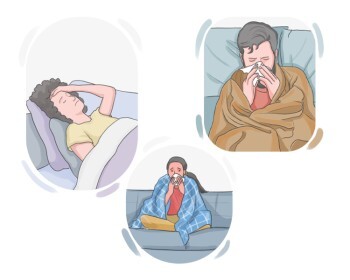
any physical problem that might put one's health in danger
enfermedad, mal
El médico la diagnosticó con una enfermedad misteriosa que causaba fatiga crónica y debilidad muscular.
a feeling of being physically ill and irritated without knowing the reason
malestar
Ella sentía una sensación general de malestar, con fatiga y falta de energía que persistían durante varios días.
the humorous and incorrect use of a word that sounds similar to the intended word
malapropismo
Su malapropismo durante el discurso hizo reír a todos cuando dijo «pacifically» en lugar de «specifically».
the everyday language spoken by a particular group of people in a specific region or community
lengua vernácula
En el bullicioso mercado, se podía escuchar una mezcla de diferentes vernáculos mientras la gente conversaba.

representing anything young and fresh
juvenil
El talento primaveral del joven artista mostraba gran promesa y potencial para el éxito futuro.
prone to change or alteration
versátil
La naturaleza versátil del proyecto permite una planificación flexible.
to come together or grow into a unified mass or cluster
aglomerarse, amontonarse
Las partículas de polvo en el aire comenzaron a aglomerarse, formando nubes densas.

to gather into a group or a whole
combinarse
Con el tiempo, los datos de diversas fuentes se agregan para proporcionar una comprensión integral de las tendencias del mercado.
to make a person or thing seem more important or impressive than they actually are
agrandar
Los discursos del político a menudo engrandecen sus logros pasados.
the card in a set of card games with a picture of a young man printed on it, which is typically the lowest-ranking face card
jota, sota
Descarté estratégicamente el sota para obligar a mi oponente a desperdiciar una carta más alta.
a deceiving and unjust action
bellaquería
Su reputación de picardía lo precedía, haciendo que la gente desconfiara de cualquier trato comercial con él.

to choose the direction of and guide a vehicle, ship, etc., especially by using a map
conducir, gobernar
El instructor de conducción le enseñó al estudiante cómo navegar por el tráfico y usar las señales de tráfico.
(of a sea or other area of water) deep or wide enough for ships or boats to travel through
navegable
El lago es navegable solo por botes pequeños.
